Member for

10 months
On
Image
solar-hero-banner

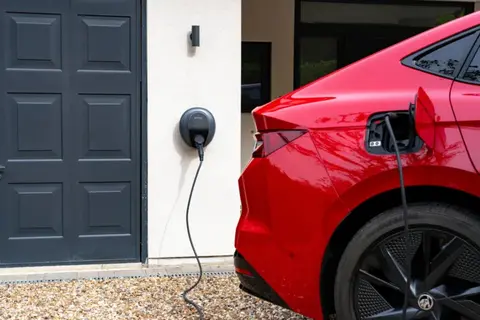
A guide exploring the possibility of using a domestic solar system to charge an electric vehicle (EV) in cloudy conditions.

#heading1
Solar panels and cloudy conditions
H2

The UK weather can be unpredictable, with downpours and overcast days being a common occurrence. Investing in a domestic solar system allows you to generate your own green energy, but is it a worthwhile investment for EV drivers given the weather?

More than 1.3 million households in the UK already have a solar system, which is an increase of more than 150% in the last 10 years. It’s undeniable – consumer confidence in solar panels is growing, as demonstrated by the rising uptake. Considering we experience regular overcast weather, with regions in Scotland, Wales and Northern Ireland being some of the cloudiest in the country, it’s worth exploring whether a solar panel system can power an EV charger even on the dreariest of days.

#heading2
Can you use solar energy when it is cloudy?
H2

Yes, you can use solar energy when it’s cloudy, although the capacity to generate electricity will be reduced. When direct sunlight is covered by light clouds, solar panels produce around 24% less energy than they do on clear and sunny days, and around 67% less on very cloudy days. Still, that’s enough to generate some clean, renewable energy to charge your EV with solar power.

You can read more about using solar panels to charge an electric car in our guide.

#heading3
Can you generate solar energy in winter?
H2

Absolutely, you can generate solar energy in winter, just like any other time of the year. The only difference is the number of sunlight hours during the winter. Solar panels don’t work at night, because they need direct or indirect sunlight to make electricity. The sun is out for fewer hours in the winter months when compared to summer, meaning you simply have less opportunity to generate electricity.

Snowfall and rain are common in the winter months, and they can reduce the amount of electricity a solar system produces by up to 50%. On days with very heavy rain, the capacity to produce solar energy can be cut by up to 90%. However, in the UK, these conditions are not the norm and on most days, there is usually enough light to generate energy.

Domestic solar panel systems are made to withstand and work in harsh conditions. If it snows heavily, most snow will slide off panels thanks to the slight incline and residual heat they will have from operating.

#heading4
How to generate more solar energy
H2

Many modern solar panels are able to effectively convert sunlight into green energy even on a gloomy day, as long as the sun hasn’t set. If you choose solar panels with concentrated photovoltaic cells, you’ll be generating more solar energy than a lower rated panel of the same size.

While most domestic solar panels are one-sided and fixed in position, there are also systems that can adjust their position to maximise direct sunlight, therefore improving energy generation. Bifacial solar panels have photovoltaic cells on the front and back of each panel, meaning they absorb more direct and indirect arrays. Plus, solar panel systems with tracking are available to adjust the angle of panels and follow the sun’s trajectory for maximum light absorption throughout the day. These options come at an extra cost, which is something you should consider when comparing different options.

#heading5
What is a solar battery and how can I use one?
H2

Solar panels are an excellent source of renewable energy, but any unused electricity from a domestic solar system will usually go to waste or be fed into the grid without a storage battery. Normally, when solar power is produced, it becomes available and has to be used immediately. If your EV isn’t plugged in while the panels generate energy, a storage battery allows you to store the solar power until you need it.

Having a storage battery in addition to solar panels is especially useful for EV drivers, because you may be away from home throughout the day, i.e. most sunlight hours. The majority of electric car owners charge their vehicles at home overnight when solar panels don’t work. A storage battery can solve this timing issue by storing any solar power that went unused, so you can plug in and charge to your schedule.

Article read time
3 min read
H6
Summary
H2

Yes, solar panels still generate energy on a cloudy day, meaning you can charge your EV even when it’s overcast.
H6
Off

Member for

10 months
On
Image
guides15

A brief guide assessing the safety of electric vehicles and exploring common concerns.

#heading1
Exploring electric car safety
H2

With over 1 million EVs on the roads of the UK, an increasing number of people wonder if electric cars are safe for drivers, pedestrians, and other road users such as cyclists. We explore general safety concerns, potential dangers to pedestrians and people with health conditions, and how an EV would fare during extreme weather.
 

General safety concerns

When it comes to general safety concerning electric cars, two issues often come up – EV batteries and crashes. The question is whether they are particularly dangerous, more so than in the case of ICE cars.

Are electric cars dangerous in a crash?

Generally, electric cars are as safe as, if not safer than, ICE cars, but don’t just take our word for it – the Euro-NCAP, an independent safety body testing cars in Europe, confirms this.

As part of its assessment, the Euro-NCAP conducts crash testing. It’s found that some of the safest cars currently available are EVs, including the Tesla Model S and Model Y, and Mercedes EQE. So no, electric cars are no more dangerous than ICE cars in crashes, and in some instances are actually safer.

Are EV batteries dangerous?

Another safety concern surrounding electric cars is that their batteries may be dangerous. While it’s true that lithium-ion batteries, which are the most common type of battery in EVs, can catch fire, manufacturers go to great lengths to protect the battery pack from damage.

In fact, it’s widely accepted that ICE cars are more likely to catch fire than EVs, but you’ll rarely hear about ICE car fires in the press. Stories about electric car fires are featured far more often, although they’re less likely to happen. 

Electric cars are fitted with a Battery Management System (BMS) to monitor performance and regulate temperature to avoid fires caused by overheating. In the rare instance of an EV catching fire due to a fault, fire services have developed and adopted better strategies to effectively put out battery fires.


#heading2
Pedestrian safety and health concerns
H2

Are electric cars dangerous to pedestrians?

Electric cars are significantly quieter than ICE cars, especially at lower speeds. The reduced noise can be dangerous to pedestrians – they may miss an approaching EV or notice it too late. Vulnerable pedestrians, such as visually impaired and other disabled people, children, and the elderly are at an increased risk.

To address this issue, the UK government introduced legislation in 2019 requiring new type quiet electric vehicles to be fitted with an Acoustic Vehicle Alerting System (AVAS). This noisemaker emits a sound at speeds below 20 km/h (around 12 mph) to alert pedestrians and other road users like cyclists.

However, pedestrian safety is about more than making EVs louder. Factors such as driving speed, driver behaviour and safety features all play an important role. Some newer cars, including electric ones, are fitted with emergency braking systems to prevent collisions with pedestrians and other cars.

Are electric cars safe for your health?

Electric cars are great for the environment, which makes them safe for your health and significantly better than petrol or diesel cars.

EVs produce no emissions while driving and contribute to improving the air quality in your immediate area. Short-term and long-term exposure to poor air quality can lead to health issues and may be dangerous for people with pre-existing conditions such as asthma.

What about people with pacemakers?

Concerns have been raised over people fitted with pacemakers and defibrillators using high-powered EV chargers. The worry is that the electromagnetic current from a charger, especially high-powered rapid chargers supplying up to 350kWh, could cause these cardiac devices to malfunction.

However, a 2023 cardiology study found no proof of chargepoints interfering with pacemakers or defibrillators, so using home chargers and fast or rapid chargers is safe for people with these devices.

#heading3
EV safety in different weather conditions
H2

EVs are built to withstand general weather (so conditions that aren’t out of the ordinary) without compromising their safety. Think warm summer days, light to heavy rain and snow in the winter.

Driving your EV in the rain & icy conditions

While an EV battery and other electrical components won’t be damaged from heavy rain showers, you should still be careful when driving in the rain. Wet conditions can cause aquaplaning and decrease visibility. It’s best to adjust your speed to stay safe on the road.

If it’s icy, you should avoid accelerating, braking or steering too quickly. It could lead to you losing control of your EV.

What about floods or lightning?

Just like ICE cars, EVs can be affected by extreme weather. To stay safe during flooding, you should follow the same advice as ICE drivers: try to avoid high water levels.

The battery pack and other parts of an EV are incredibly well protected from the elements. In the unfortunate event that water reaches electrical components in an EV, it can cause it to short-circuit and break.

EVs are also safe to drive during other extreme weather events like lightning. If you’re in the vehicle when lightning strikes, it acts like a Faraday cage. Any electric current goes through the metal frame, into the tires, and then into the ground, protecting you from harm. So it’s better to stay in your EV during lightning than outside.

That said, it’s advisable to unplug your EV from any charger during lightning storms. A nearby strike can cause an electrical surge, which could damage your electric vehicle’s charging system or the charger itself, although some chargers come with surge protection devices to protect the charger from unexpected surges.

Article read time
5 min read
H6
Summary
H2

Electric cars are as safe as traditional internal combustion engine (ICE) vehicles. If you follow common advice for drivers, avoid flooded areas and stay inside your car during lightning, you and your electric vehicle (EV) will be safe.

#F2F5CF
#000000
H6
Off

Member for

10 months
On
Image
g2

A guide covering whether car insurance for electric cars is cheaper or more expensive than policies for internal combustion engine (ICE) cars.

#heading1
How much does it cost to insure an electric car?
H2

You may have heard that driving an electric car can be cheaper than a petrol or diesel car in the long run and that’s true. Charging at home, comparing and switching to the best energy tariff and using available grants are some ways to make running an electric car cost less than an ICE car.

But with increasing costs for everyday items like groceries and other purchases, the car industry is not shielded from the impact of price rises. A significant cost associated with an electric car is insurance. In this article, we’ll compare how much it costs to insure an EV, how it compares to other cars and factors that affect the price of a policy.

#heading2
How does EV insurance differ from ICE vehicle insurance?
H2

Insurance is a business of managing risk. A policy acts as a safety net, protecting you from financial loss from an accident, theft or other damages. Depending on the risk level an insurer assigns to you, your insurance policy will either be below or above average or somewhere in between. Whether you have an EV or ICE vehicle, the insurer will consider risk factors such as the type of car, usage, driver’s history and where the car is parked overnight. So in that regard, they aren’t that much different.

Most EV drivers have access to and benefit from off-street parking, with 76% using home charging on a driveway or in a dedicated parking spot as their primary method of charging. At the same time, the differences in technology between EVs and ICE cars also have an impact on the overall cost of a policy. Petrol and diesel cars have been long-established while electric vehicle tech is newer, which influences the cost of insurance.

#heading3
Why is electric car insurance more expensive than ICE vehicles?
H2

While EVs are on the rise, they are currently more expensive to insure than ICE cars. There are a few reasons why that’s the case:

  • Repair cost and parts availability – EVs are newer to the market than other ICE cars, meaning parts may be less available or specialised and their cost could be higher. An insurer will consider this when making their calculations.

  • Car value – The price tag of a new car plays a part in determining your insurance premium. On average, EVs have a higher list price than petrol or diesel cars, meaning it will cost more to replace a stolen or totalled electric car.

  • Specialised mechanics – You may need to attend a specialised garage with mechanics who are familiar with electric cars, which can come at an extra cost.

  • Performance and speed – The rate of acceleration and power of a car will be considered when putting it in an insurance group. The electric motor in EVs provides instant power, making them accelerate faster than many ICE cars, which some insurers may class as a risk.

  • Security and safety – Many modern EVs are kitted out with helpful features like cameras and pedestrian detection software to avoid collisions. Anything like this that reduces the likelihood of a claim will be seen in your favour.
#heading4
Is EV insurance becoming cheaper?
H2

Trends suggest that as EVs become more mainstream, insurance costs are gradually decreasing. There are a number of factors that influence this shift in insurance pricing for electric cars, which will ultimately convince more people to switch to electric driving.

There are now more EVs on UK roads than ever – over 1.1 million! This rise has the effect of making electric cars more common, meaning an increasing number of mechanics and garages will be trained to service and maintain them and parts will become more available.

Adding to this, EVs are becoming more accessible as list prices come down, with many carmakers offering competitively priced entry-level and mid-range models. Putting it simply, a cheaper car will generally cost less to insure.
 

So, is electric car insurance cheaper?

While initially more expensive, electric car insurance premiums are becoming cheaper over time. Factors such as specialised mechanics, low availability of parts and the overall car value have contributed to higher insurance costs in the past. However, as more EVs are registered in the UK, more mechanics learn about EV technology and parts become increasingly available, you should see insurance costs come down. For potential EV buyers, this makes switching to electric financially more viable, allowing them to make the right choice for their wallet and planet.

#F2F5CF
#000000
Article read time
4 min read
H6
Summary
H2

In short, no, electric cars aren’t cheaper to insure. Policies for EVs tend to cost more than for similar ICE cars, but the price is coming down year-on-year.

#F2F5CF
#000000
H6
Off

Member for

10 months
On
Image
bmw-ix3-lifestyle
Categories

This guide gives helpful tips and advice, so you’re confident when choosing and buying a second hand electric car.

#heading1
Should I buy a second hand electric car?
H2

Second hand electric cars are a good buy if you’re looking to get an EV but don’t want to pay the full list price, especially if you can get one where the battery is still under warranty. That’s because most electric cars come with 7 to 8 years of battery warranty or have leased batteries. This means the manufacturer will fix battery issues free of charge within warranty by repairing or replacing your battery.

If you’re thinking of buying a second hand electric car with a battery that’s out of warranty, look out for signs of good battery health, such as a low degradation of total capacity and a regular service history. A car like this should be priced appropriately, but if that’s not the case, try negotiating with the seller to price in a potential repair or replacement.

Like with any internal combustion engine (ICE) car, you’ll also want to check universal car parts such as tyres, window wipers, lights, and brakes before you commit to buying a second hand electric car.

#heading2
Top tips for buying a second hand electric car
H2

Here’s an overview of our top tips for buying a second hand electric car:

  • Pick a type of electric vehicle

  • Find the right make and model

  • Get advice from the community

Pick a type of electric vehicle

If you want to travel using battery power, you’ll have the choice between a full battery electric vehicle (BEV) or a plug-in hybrid electric vehicle (PHEV).

Full battery electric vehicle

BEVs, often generally what we refer to as electric cars, are the only way to get the full benefits of electric motoring. They’re the greenest and most future-proof option.

Electric car technology is improving with each new model that is released, particularly in terms of their range. This means second hand cars will typically have less range compared to their newer variants.

That said, if you pick a more recent used model, you should still get a respectable range that will cover your day-to-day journeys with ease. 

Pros Cons 
Greenest option Limited range in earlier models
Low running costs More frequent charging is necessary
Immediate acceleration  
Good handling, low centre of gravity  


Plug-in hybrid electric vehicles

PHEVs offer some battery-powered miles from plug-in charging and a petrol or diesel engine to power longer journeys.

For the average driver, this works fine. Short commutes are covered by electric power, while the combustion engine provides a safety net, so you don’t get stuck when charging isn’t available.

The downside is that the electric range of plug-in hybrids is limited to around 50 miles and still relies on fossil fuel. PHEVs also carry extra weight because they hold a battery and engine. If you don’t charge the battery, you’re burning more fuel to carry the extra weight for no benefit. So while charging the battery isn’t absolutely necessary, it’s critical to achieving efficiency and low running costs.
 

Pros Cons 
Easy to adopt Limited environmental benefit
Petrol or diesel back up option Inefficient when using combustion engine only


#headind3
Find the right make and model
H2

So you’ve decided which type of EV interests you, now it’s time to research and find the right make and model for your needs.

Before you pick an EV, you should consider some key factor including:

  1. Budget – how much are you willing or able to spend on an EV? If your budget is limited, check out makes and models that are generally more affordable or older models with more miles that are still reliable.

  2. Range – do you need an EV with a higher than average range or will a range of 150 to 250 miles be enough? Consider your typical week of driving and how often you’d have to charge your battery. If you regularly drive long distances, you should make sure your vehicle can rapid charge to continue trips without lengthy disruptions.

  3. Size – how much space do you need? If you’re simply commuting to work most of the time with just a work bag in your car, you likely only need a compact EV like a hatchback. However, if you regularly transport large items or drive with passengers, you may want a bigger EV like an SUV or estate.

We recommend browsing the Pod Point vehicle guides for key information on available models. You can filter by make, range and plug-in hybrid or battery electric vehicles to focus your search.

#heading4
Get advice from the community
H2

EV drivers are often passionate advocates of their technology. They actively participate in communities set up online and attend regular real-life meet-ups.

Many EV drivers would be delighted to give you tips on what the best models are and what to look out for when buying a used electric car.

There are many EV forums, here are two of the leading ones:

You can also find a number of brand/model specific forums:

Image
test

Tip: In our experience, these communities are thrilled to meet new members and answer their queries. The level of knowledge they possess is really high and we recommend you take a look before buying a second hand EV.

#F2F5CF
#000000
#heading5
What to look for when buying a used electric car
H2

Once you’re set on a model and make, it’s worth looking out for a few things when buying a used electric car:

  • Model-specific issues

  • Battery degradation

  • Ongoing maintenance

  • Charging options

Model-specific issues

Just like a petrol or diesel vehicle, used electric cars have their own snags. Different models will have unique trouble signs, and this is where the brand/model specific online forums can be invaluable to get a sensible checklist for your viewing and test drive.
 

Battery degradation

A universal concern with used electric cars is battery degradation, particularly within BEVs which rely on battery power only.

Electric drive trains are quite simple contraptions, consisting of a battery and electric motor(s). Electric motors are extremely reliable, with no metal-on-metal wear, but over time the batteries will degrade and they’re expensive to repair and replace.

The good news is that rates of battery degradation have proven to be lower than feared in EVs. However, different makes and models vary in performance in this area.

Again, asking an EV forum is a great place to start your research. When you view a second hand electric car, ask to see the battery capacity to assess degradation.
 

Ongoing maintenance

With no head gaskets, cam-belts, exhausts, clutches or spark plugs to change, and brake pads that often will last the life of the car, BEVs or electric car maintenance is mostly simple. Occasional cleaning, keeping washer fluid topped up and changing tyres is what you can expect.

PHEVs tend to be more complex, because they still have a combustion engine. Online forums are still a good source for advice on how best to maintain them.

Image
test

Tip: Tesla models have an online crowd-sourced feed that shows battery degradation over time, and it is truly impressive with just ~7% degradation over 250,000 miles.

#F2F5CF
#000000
#heading6
Charging options
H2

To really get the most out of an EV, you want to be able to charge it when you are busy doing other things. The best time for this is probably overnight at home. It’s also the cheapest option available to you.

If you can get a home charger, we strongly recommend it. Start your home charge installation journey with Pod Point online.

Workplace charging is another great option for regular charging, and the Pod Point Network offers thousands of other charging opportunities at public destinations.

#heading7
How much are second hand electric cars?
H2

While new EVs are still more expensive than petrol or diesel equivalents, you’re able to get a second hand electric car for as little as £5,000. The price will be depending on factors such as the condition of the vehicle (e.g. battery health and capacity, cosmetic damage) and popularity of the make and model.

Best value second hand electric car

What the best value EV is will depend on your budget. Let’s put it this way – if a brand new Tesla Model 3 isn’t affordable for you, but a reliable, 3-year-old second hand model is, then that’s the best value you can get for your money.

Check car sale sites offering second hand electric cars like Auto Trader or Motorpoint to find and compare available used EVs.
 

Second hand EV depreciation

Depreciation is the reason a second hand EV is cheaper than a new one. It takes into consideration wear and tear and ageing of technology. On average, an EV will depreciate 40 to 49% in the first three years after registration, while ICE cars depreciate up to 60% in the same time.

So if you buy a second hand electric car that is a few years old, you could save up to half of its original listing price. That’s a potential saving of thousands or even tens of thousands of pounds!

#heading8
Can you get a grant for second hand electric cars?
H2

There are currently no grants available for the purchase of a second hand electric car, but you may be eligible for the OZEV grant.

The EV chargepoint grant from the Office of Zero Emission Vehicles (OZEV) offers people owning a flat or living in rented accommodation with dedicated off-street parking up to £350 off the cost of buying and installing an EV home charger.

Find out if you’re eligible for the OZEV Grant on gov.uk. As part of the scheme, you must choose an approved chargepoint – our Solo Charger is OZEV-authorised!

#heading9
Is a second hand electric car tax deductible?
H2

While a new fully electric car is eligible for a full tax deduction in the first year after purchase, second hand electric cars only qualify for a partial tax deduction. As a registered business, you can claim capital allowance on the purchase price of a second hand EV at a rate of 18%.

Some nearly new cars like ex-demonstrator cars may still be classed as new by HMRC, making them eligible for a full tax deduction in the first year. For this to apply, the EV must have a low mileage and have been driven for testing and delivery only.

Article read time
10 min read
H6
Summary
H2

Buying a second hand electric car is a more affordable way to go electric. You can bypass wait times and higher list prices when you pick a used electric vehicle (EV), and save money when you start charging your car at home.

Off

Member for

10 months
On
Image
g1
Categories

A guide investigating the importance of tyres for safety and efficiency, and what to consider when purchasing tyres for an electric vehicle (EV).

#heading1
Understanding the importance of tyres
H2

Tyres are often overlooked when it comes to choosing a car, but they play an important role in the overall performance and experience of driving an EV. The first tyre was invented in the 19th century to increase the comfort of riding a bicycle. From there, tyres quickly popularised and became the norm for automobiles.

Today, you won’t just find tyres on cars, but on planes, bicycles and even vehicles exploring the surface of Mars.

Being the main contact point between the road and an EV, tyres need to withstand different conditions, driving habits and vehicle models. We’ll explain what that means for tyre specifications and whether it’s worth getting specialised tyres for your EV.

#heading2
How does tyre condition impact your EV?
H2

The condition of your tyres directly influences the performance of your EV. Choosing the right tyres isn't just about getting from A to B, it's about making a long-term investment into:

  • Fuel efficiency – Appropriate, well-maintained tyres can help you get more miles out of every charge. They’re crucial for maximising range and efficiency.

  • Ride comfort – Tyres significantly affect the smoothness and comfort of your drive. They can absorb road irregularities and reduce cabin noise and vibrations, making the overall driving experience more comfortable.

  • Safety – Good tyres provide a better grip when braking and cornering, and contribute to overall stability. Their condition can be the difference between a safe stop and a potential accident.

#heading3
What to consider when purchasing new EV tyres
H2

When it's time to purchase new tyres for your EV, keep the following in mind to ensure you're making the right choice:

  • Tread depth and pattern – Essential for maintaining grip, especially in wet conditions. Make sure the tread depth and pattern you choose are suitable for your driving conditions.

  • Pressure – Correct tyre pressure is key for efficiency and safety. You can find the right tyre pressure for your EV in the owner’s manual or the driver-side door.

  • Ratings – Look for tyres with a suitable rating for load, speed, measurements and efficiency to match your typical driving conditions and EV specifications.

  • Driving conditions – Consider the conditions you'll be driving in. Whether in a city, on motorways and A-roads or a mixture of the two, select tyres that offer the best performance and durability in your conditions.

#heading4
Are EV tyres different to ICE car tyres?
H2

Yes, EV tyres are specifically designed to withstand the additional weight that comes with the heavy battery pack. They’re built to be stronger, using different compound and sidewalls than traditional car tyres, to absorb the extra strain placed on them by electric cars. This means that EV tyres generally weigh more.

Surprisingly, EV tyres are quieter than conventional tyres, even though they’re heavier. That’s because they’re intentionally designed to reduce noise, using foam inlays or additional rubber.

However, all of this makes EV tyres more expensive. But while you’d assume that the additional strain would wear them down much faster, the opposite is true. Tyres specifically made for EVs tend to wear down at a slower rate than conventional car tyres, which makes up for the higher initial cost.

#F2F5CF
#000000
#heading5
What do the numbers on tyres mean?
H2

The numbers and letters on the sidewall of tyres indicate the size and performance specifications. Understanding these markings can help you choose tyres that fit your EV perfectly and meet your driving needs.

For example, a sidewall marking of 205/55 R16/91 V stands for:

  • Width – 205 is the tyre’s width in mm

  • Profile – 55 is the side profile as a percentage of the width

  • Rim – R16 indicated the wheel diameter the tyre will fit in inches

  • Load – 91 provides the load capacity of the tyre, in this case 615kg

  • Speed rating – V tells you the top speed the tyre is suitable for, in this case 149mph

#heading6
What is the legal tread depth?
H2

The legal minimum tread depth for all tyres, EV-specific or not, is 1.6mm. This ensures that your tyres maintain adequate grip, especially in wet conditions. You may notice that EV tyres have a lower tread depth when in new condition compared to conventional tyres. It helps them achieve better rolling resistance without negatively impacting performance or wear.

#heading7
What is the recommended pressure for an EV tyre?
H2

The recommended pressure for EV tyres will differ based on vehicle model and tyre size. You should follow the manufacturer's recommendations given in PSI, usually found in your manual or on a sticker inside the driver's door. Maintaining the correct pressure will contribute to better efficiency and safety, optimising range and reducing the risk of tyre damage.

#heading8
How you can look after your EV tyres
H2

Maybe you’re considering investing in a new set of EV tyres or have just bought and fitted brand new ones. There are a few simple tips you can follow to maximise the lifespan and performance of your tyres, so you can enjoy them for longer:

  • Maintain the right tyre pressure – Check and adjust your tyre pressure regularly according to the PSI recommended by the manufacturer

  • Check tread depth – Occasionally inspect your tyres to make sure you meet the 1.6mm minimum to stay safe on the road

  • Drive gently – Aggressive driving can wear your EV tyres out faster, so brake and accelerate gently for longevity

  • Avoid excess weight – Don't overload your EV, as it puts additional stress on your tyres

  • Navigate carefully – Avoid potholes and other hazards to prevent damage to your tyres or suspension

Article read time
5 min read
H6
Summary
H2

While there’s no legal requirement to use EV-specific tyres, electric cars greatly benefit from using EV tyres. They’re designed to meet the needs of EV driving, offering better efficiency and performance.

#F2F5CF
#000000
H6
Off

Member for

10 months
On
Image
img10
Categories

A guide exploring ways to make your day-to-day life more sustainable with eco-friendly tips.

#heading1
What are the benefits of an eco-friendly lifestyle?
H2

There are many benefits to living sustainably, both for you individually but also collectively for the planet. By adopting more eco-friendly habits, you can play a part in our planet’s future, fight the negative impacts of climate change, and ultimately protect precious habitats under threat from our changing environment.

Some of the improvements you could see to your day-to-day life by switching to an eco-friendly lifestyle include:

  • Lower energy bills
  • Better physical and mental health
  • Being a role model for others

Lots of households across the UK are willing to take action against climate change. However, there are concerns around having to pay more or give up habits or consumer products to live more sustainably.

That’s why we’ve put together a list of practical methods of living a more sustainable life that won’t break the bank, and may even save you money, whilst also doing your bit to help our planet.

Lots of households across the UK are willing to take action against climate change. However, there are concerns around having to pay more or give up habits or consumer products to live more sustainably.

That’s why we’ve put together a list of practical methods of living a more sustainable life that won’t break the bank, and may even save you money, whilst also doing your bit to help our planet.

6 eco-friendly lifestyle changes you can make today

#heading2
H2
Image
5page

1. Switch to a renewable energy tariff

One of the best and simplest ways to reduce your bills is to use less energy, such as by turning off devices or lights when they’re not in use, or wearing more layers instead of putting the heating on in winter.

But renewable energy tariffs could also save you money. Many energy providers are starting to turn away from traditional fossil fuels and take advantage of renewable energy sources via green energy tariffs. These include solar, hydro, wide, and biomass in order to generate electricity. Not only are these better for the planet, but they’re also better for consumers. Renewable energy tariffs are becoming more competitively priced as more providers are offering them in response to higher demand. Plus, as more people switch, producing renewable energy will become cheaper as more companies will invest in generating it, which should bring tariff prices down even more.

Tip: our Solo 3S home charging system is compatible with all energy providers and easily syncs with off-peak energy tariff times, letting you charge when it’s cheapest.


Image
feature guide3

2. Take greener forms of transport

If you have the option, try using public transport to travel for work and leisure. Bus operators are starting to switch their fleets to electric vehicles, making bus travel even greener. You could also save some money on petrol or any congestion or clean air zone charges when using public transport.

Switching from a petrol or diesel to an electric car could be another great way to reduce your emissions and adopt an eco-friendly lifestyle. If you’re interested to find out more, we’ve compared battery electric vehicles and hybrid electric vehicles in our guide.


Image
6img

3. Reduce food waste

In the UK, more than 10 million tonnes of food are wasted every year. While some of this waste happens before food hits the supermarket shelf, around 70% of food waste comes from households.

Food waste is a big problem for the planet, but combating it won’t just help the climate, but also potentially save you money. There are a few ways you can reduce your food waste and save money by:

  • Planning meals ahead of time, and only including items you need on your shopping list
  • Freezing leftovers that might otherwise go bad, or reusing leftovers in other meals

You can also take advantage of various innovative apps like Too Good to Go, which allows restaurants and stores to sell surplus food at a discount to avoid it from going to waste.


Image
img7

4. Eat less meat

About a third of human-made greenhouse gas emissions are linked to food. Most emissions are associated with the production of meat, so processes such as fertilisation, deforestation, resource usage and methane emitted by cattle.

This doesn’t mean you have to completely stop eating meat. Beef produces seven times more emissions than poultry, so if you don’t want to completely cut out meat from your diet you’d still be helping the planet by switching from beef to chicken or turkey.

Better still, swapping out meals for plant-based protein sources such as lentils, beans or tofu will reduce your emissions from food even more. Again, beef in particular causes 23 times more emissions than tofu and 35 times more than beans or lentils. So even just one plant-based meal a week will have an impact!


Image
img8

5. Use less plastics

Plastics are made from fossil fuel-derived chemicals like oil and gas, so they cause a lot of pollution to produce. Obviously, it’s impossible to completely avoid the use of plastics – for example, lots of life-saving medical equipment and medication packaging contains it. But there are plenty of typically single-use plastics that you absolutely can avoid using to lead a more eco-friendly lifestyle. Some examples include:

  • Carrying a refillable water bottle and using public water fountains, instead of buying plastic bottles when you’re out and about
  • Buying loose fruit and vegetables instead of multi-packs sold in plastic wrapping
  • Reusing shopping bags instead of buying a new one every time you shop
  • Using products made from recycled materials where possible


Image
img9

6. Check your appliances’ energy efficiency

If you’re in the market for a new home appliance, like a fridge or a TV, you could lower your emissions and use less energy (saving you money) by picking one with a better energy efficiency rating.

All appliances come with an energy rating on a scale from A to G. A-rated appliances are the most energy efficient, meaning they’ll use less energy to run than a B to G-rated product. This will save you money and do good for the environment, as using less energy means a lower monthly energy bill.

Honorable mentions from the Pod Point team

Here are some extra bonus tips from our very own Pod Pointers:

  • Buy cleaning products from eco-friendly companies, including smol, Bide, and Naked Sprout. Or buy refills from local stores to avoid the emissions caused by delivery vehicles.
  • Save unwanted vegetables from going to waste with Oddbox deliveries, recycle coffee machine pods, or make your own regular groceries (like yoghurt) at home.
  • Reduce the amount of clothing you buy, avoid fast-fashion brands, and buy second-hand either via apps like Vinted or high street charity shops and thrift stores.
  • Move ISAs or pensions to funds that focus on environmental, social, and governance (ESG) investing.
  • Don’t forget the three Rs – reduce, reuse, and recycle!
#F2F5CF
#000000
#heading2
Why is sustainability important?
H2

Sustainable living helps to reduce pollution which in turn preserves resources, such as water and air, and avoids the harmful effects of global warming caused by climate change.

To achieve sustainability, consumers, companies and governments must act and adopt practices that are eco-friendly and cause no harm to the environment.
 

How to charge your EV sustainably 

We’d be remiss for not mentioning how good driving an electric car is for the environment. So If you’re an EV driver, we’ve got a few simple tips for you to make EV charging even more environmentally friendly: 

  1. Charge at times of low demand – when demand for energy is high, fossil fuels are often used to generate electricity. Instead, charge overnight when demand is typically lowest.
  2. Switch to a renewable energy tariff – if you haven’t already, this is an easy way for you to make your charging greener and cut your reliance on polluting fossil fuels when charging at home.
  3. Use solar energy – if you have solar panels, you can connect them to a home charging system like our Solo 3S. Our charger takes the excess energy generated by your panels and feeds it to your car instead. This lets you harness the full benefits of potentially zero-cost and zero-carbon charging. 

Tip: if you don’t have solar panels yet, no problem! The Solo 3S will automatically work with them if you decide to get them installed in the future. You can find out more about how to use solar panels to charge EVs in this handy guide

#F2F5CF
#000000
Article read time
8 min read
H6
Summary
H2

An eco-friendly lifestyle is good for you and the planet. You could save money on energy bills and live a healthier lifestyle while helping to combat climate change.

Electric vehicles (EVs) can play a huge role in this, but there are plenty of other ways of living in an eco-friendly way.

#F2F5CF
#000000
H6
Off

Member for

10 months
On
Image
guides18webp(
Categories

A guide covering everything you need to know about EV charger installations before you place your order.

#heading1
H2
Image
Smart Charge

Did you know Pod Point has been accredited as a Which? Trusted Trader for its end-to-end solution and customer-focused service?

#F2F5CF
#000000
#heading2
H2
Image
guides18-1
#heading3
What are the benefits to getting an EV charger installed at home?
H2

Whilst you can use a standard 3-pin plug socket, there are many benefits to getting a dedicated EV chargepoint installed at your home.

For starters, your electric car will charge 3x faster on a home 7.4kW chargepoint than a 3-pin plug. Plus, some EVs have such large batteries (100kWH+) that it’d be impossible to fully charge your electric vehicle overnight without a home charger.

Also, dedicated home chargepoints are designed to carry the sustained electrical loads needed to charge the EV with a range of safety features, which a conventional 3-pin plug won’t have.

So if you’re thinking of getting an EV, you’ll want to get a dedicated home charger. They’re quicker, safer, easy to use, and installation only takes around 2-3 hours.

Image
test

At Pod Point you can order a home EV charger and get it installed in the same week.* Shop now.

#F2F5CF
#000000
#heading4
Top 5 things to consider when getting a home charger
H2

Before placing your order and proceeding to your electric vehicle charger installation, there are a few things to consider.

  • Where you park your EV and where you want your home charger to go

  • The quality of your home’s Wi-Fi

  • What kind of EV charger you want to get installed

  • How much your installation will cost

  • Which EV chargepoint provider to pick

#heading5
1. Where is the best place to install an EV charger?
H2

Many EV charging providers will require you to have dedicated off-street parking so that your home charger can be installed in a safe and accessible location.

Image
guides18
Image
test

Tip: if you don't have a driveway, you can still have an EV by making use of our extensive UK network of public and workplace chargers. If you live in a flat and need some help convincing your property manager or landlord to install electric vehicle charging in your apartment, use our letter template to kickstart the conversation.

#F2F5CF
#000000
#heading6
H2

Also, you’ll need to check that your preferred EV charger installation location is close enough to where you actually park your electric vehicle. This is because there are different electric car charging cable lengths (we recommend a compromise between ease of use and ease of storage). You may also need to consider where the charging socket is located on your EV.

Another consideration is the distance between your home’s power supply and the desired location of the home charger, as providers may have different limits for their home EV charger installations.

Image
test

Tip: Pod Point’s standard installation includes up to 15 metres of black cable, which will be neatly clipped to the wall between the distribution board/electrical supply meter and the chargepoint.

#F2F5CF
#000000
#heading7
2. Does my EV charger need Wi-Fi?
H2

Most EV home chargers have features and functions that require a Wi-Fi connection to access. Wi-Fi enabled chargers are optional, but the smart features they include can be extremely beneficial.

Smart chargers require a stable internet connection to function, so it’s worth making sure it will be within the field of the Wi-Fi router or a Wi-Fi extender prior to the installation. If your EV loses connection to the Wi-Fi at any point, you’ll still be able to charge, but you may lose access to the charger’s smart features.

Image
test

Tip: Pod Point’s Solo charger is Wi-Fi enabled to ensure your charger is always up-to-date with the latest smart features, such as Charge Scheduling and Charge Now.

#F2F5CF
#000000
#heading8
3. What kind of EV charger should you choose?
H2

EV drivers also need to consider whether to get a tethered or untethered chargepoint and what charging rate is right for their electric car before installation.

Most drivers want the fastest charging rate, but this isn’t always possible, and in some instances it doesn’t make sense to as there are some factors you should be aware of that limit EV charging speeds:

Maximum charging rate

Even if your EV can accept a faster charging rate, it will only charge at the chargepoint’s maximum rate and vice versa. For example, an electric car that can charge at 11kW will only charge at a maximum of 7.4kW on a 7.4kW charger. If it’s plugged into a 22kW chargepoint it will still charge, but no faster than 11kW.

Available power supply

Almost all homes in the UK have single-phase power which only allows for a maximum charging rate of 7.4kW. Although it is possible to upgrade to three-phase power and unlock a faster rate, this can be costly.

If you do need a faster charging rate than 7.4kW, you’ll need to upgrade your home’s power supply before your EV charger installation takes place.

Image
guides18-2
Image
test

Tip: 7.4kW is more than sufficient for most EV drivers’ needs as most charging takes place when the car is parked. This is called top up charging.

#F2F5CF
#00000
#heading9
H2

For more information on the other factors that impact charging speeds, visit our guide on how long it takes to charge an electric car.

#heading10
4. How much it costs to install an EV charger at home?
H2

You should always use an approved electrician to get your EV chargepoint installed. Depending on the chargepoint provider, the cost of the EV charger installation may already be included in the price of the charger.

In some cases there may be additional works that need to be completed to enable the installation of a home EV charger. If standard installation is not included in the price, make sure to get a quote upfront.

If you live in rental accommodation or own a flat, you may be eligible for the Electric Vehicle (EV) Chargepoint Grant. Visit our OZEV grant to find out more.

Image
test

At Pod Point you can order a home EV charger and get it installed in the same week.* Shop now.

#F2F5CF
#000000
#heading11
5. Which EV chargepoint provider to go with
H2

There are dozens of EV charger installation providers in the UK, which makes it tricky for electric car drivers to choose the right one. Installation prices vary between suppliers, but there are many other things you should be mindful of including:
 

  • Do they provide EV chargepoints with multiple charging rates?

  • Do their EV chargers provide smart features?

  • How safe are their chargepoints?

  • Are their chargers compatible with all makes and models?

  • Do their chargepoints adhere to regulations and standards?

  • Is standard installation included in the price?

  • Are they compliant with the Electric Vehicles (Smart Charge Points) Regulations 2021?

Image
test

Tip: The Pod Point Solo home EV charger is compatible with all plug-in electric vehicles, OZEV approved, and fully compliant with the government’s latest smart charging regulations.

#F2F5CF
#000000
#heading12
H2
Image
gguides18-4

Disclaimer:

*Applies to standard installations only and from point at which pre-installation form has been completed. Engineer availability dependent.

Article read time
7 min read
H6
Summary
H2

Getting a smart home charger installed is the most convenient way to charge your electric vehicle (EV), and fortunately it’s not as complicated as you might think.

Before you book your EV charger installation, there are a number of important things you’ll need to consider to get the most out of your charger:

  • Where you park your EV and where you want your home charger to go

  • The quality of your home’s Wi-Fi

  • What kind of EV charger you want to get installed

  • How much your installation will cost

  • Which EV chargepoint provider to pick

#F2F5CF
#000000
H6
Off

Member for

10 months
On
Image
guides17webP
Categories

This guide will answer all the questions you'll consider when making the switch to an electric vehicle (EV), ranging from how long it takes to charge an EV battery to how much you have to pay in road tax.

#heading1
Buying an EV
H2

Where can I buy an EV?

When it comes to buying a new EV, you’ll get the car directly from a dealership. There, you’ll typically have one of the following financing options:

  • Leasing

  • Personal Contract Purchase (PCP)

  • Hire Purchase (PCP)

  • Buying outright

Some employers offer the option of leasing a new car through the Salary Sacrifice scheme. It’s a tax efficient way to lease an EV because the monthly payments are deducted from your gross salary, so pre-tax and National Insurance.

You can also buy an EV second hand from a used car dealer, a private seller or through auction. Like with any used car, the condition of an EV that had a previous owner won’t be perfect. Depending on the age and previous use of the electric car, you can expect to see some wear and tear, such as scratches to the bodywork.

Get tips on second hand EV buying in our guide.

#heading2
How much does an electric car cost?
H2

The average cost of a new electric car sits at around £50,000 according to data from BookMyGarage. EVs generally range from just over £8,000 up to £130,000 and more depending on the specifications of the car and any upgrades you choose.

The Citroën Ami is currently the cheapest electric car available, with prices starting from just £7,695. It’s a compact, two-seater EV made for short, inner-city journeys.

The lowest-priced five-seater EV on the market is the MG4, starting from £26,996. This is a full size car offering a standard 51kWh battery and options to upgrade capacity up to 77kWh.

Consider your lifestyle and driving habits before buying an EV. If you regularly take long journeys in your electric car, paying a little extra to upgrade the battery for extended range may be worth it for you. Another factor to consider is if and how easily you can charge at home or nearby. If you don’t have a driveway, it may be more difficult for you to charge your electric car at home.

Electric car battery lease

Some carmakers like Renault used to offer two battery options for electric cars: full purchase and battery leasing. When you buy a second hand EV with an existing battery leasing agreement, the battery will be transferred over to you with a new agreement or the option to buy it outright.

Back in the day, when EV technology was still in its infancy, the option to lease meant you could change the battery every few years to avoid early signs of degradation. Today, electric car batteries are more reliable. They offer decent ranges and fast charging times, removing the need to renew your battery every few years to maintain good performance.

EV warranty

Most manufacturers offer an 8-year or 100,000-mile EV battery warranty, whichever comes first. Some manufacturer warranties will only cover the battery during complete failure, others will repair or replace it if the capacity drops below 70% warranty period

There are providers offering warranty for used cars and to extend coverage beyond the manufacturer’s warranty. What is covered can vary, including a range of mechanical and electronic components. Always check the policy papers to make sure you understand inclusions and exclusions.

#heading3
Electric car maintenance, service and repair
H2

Electric car MOTs

EVs do require MOTs, just like traditional internal combustion engine (ICE) vehicles. However, the frequency of these tests is generally the same for both types of vehicles. Not all garages may perform MOTs on EVs (yet), so ensure you choose a certified and qualified facility for this purpose.

Electric cars, just like ICE cars, are required to go through and pass an MOT every year to legally drive on UK roads. In year one and two after the car is first registered, it’s exempt from mandatory MOT testing.

You should be able to take your electric car to any MOT test station to carry out an annual test. If your tester is unfamiliar with your EV, they may ask you to show them how to operate your car. An official MOT centre can’t turn you away, because they don’t have experience testing a car like yours.

How often should I service an EV?

This depends on your car’s model and make. As a general rule, you should service an EV every 1–2 years or every 18,000–25,000 miles, whichever happens first.

We suggest you refer to the recommended service intervals provided by the manufacturer to ensure you keep your EV in top shape.

Not every garage is qualified to service electric cars, so it’s worth checking they have a specialised mechanic on hand before you book.

If your electric car is still under warranty, you want to make sure the garage you use is dealership-approved or only uses genuine parts to keep your warranty.

Are electric cars more reliable than petrol or diesel cars?

In theory, electric cars should be more reliable than petrol or diesel cars. ICE cars have many moving parts that need to be maintained to keep the engine running. Think pistons, valves, pumps, spark plugs and so on, whereas an EV motor only has a rotor in place of all of these parts. With little to no maintenance required, there’s less opportunity for a crucial component to fail and take your car out of action.

Most of the time, if an EV has a fault, it'll be related to a software issue which is easier to fix than a mechanical issue. Electric cars allow you to troubleshoot most software issues ‘over the air’, so through software updates or by restarting – just like you would with a computer. This makes the majority of software-related issues easily fixable on your own (and for free) or with the help of the manufacturer’s customer support.

Some of the most reliable EVs on the market are the Mini Electric, Volkswagen e-Golf, and Nissan Leaf.

#heading4
Electric car insurance
H2

The cost of insurance for EVs can vary, but it's not always more expensive than insuring a regular ICE car. Factors such as the EV model, your driving history, and where you live can impact your premiums. Shopping around and comparing insurance quotes is essential to find the best rates.

Most mainstream insurers provide cover for electric cars now, offering a good variety of coverage options and price ranges to compare.

While it’s easy enough to find insurance for an electric car, they cost more on average to insure than a comparable petrol or diesel car. Reasons for higher insurance premiums are the specialist parts required for repairs, the generally higher list price, and increased risk of accidents associated with the faster acceleration of EVs.

Read more about electric car insurance in our guide.
 

EV breakdown cover

There are no differences in breakdown cover for EVs and ICE cars. You’ll find that most popular providers like the RAC or AA simply include electric cars in their standard breakdown cover at the same price as petrol and diesel cars.

Do EVs pay road tax?

Fully battery electric vehicles are currently the only type of vehicle that don’t pay road tax. Although partially battery-powered, most plug-in hybrid and full hybrid cars still pay up to £120 in the first year and £170 per year from the second year after registration.

However, the road tax exemption for electric cars will change in April 2025 when EVs:

  • Registered before April 2017 will pay £20 per year after the changes come into effect.

  • Registered on or after 1 April 2017 will pay £10 in the first year of the road tax changes and £180/year from the second year.

There are a few more changes affecting EVs and hybrids from April 2025. You can find details on the Government Vehicle Excise Duty (VED) page or read about how road tax is currently calculated for EVs in our guide.
 

Electric car grant

To incentivise the uptake of electric cars, particularly among people who would traditionally be less likely to consider driving an EV, the Office for Zero Emission Vehicles (OZEV) offers an EV chargepoint grant of up to £350.

The money is intended to help people owning a flat or living in a rental property with the cost of buying and installing a chargepoint.

There are a few eligibility criteria, such as that off-street parking is required and this must be the first chargepoint grant you’ve claimed. Find more information on the OZEV EV chargepoint grant in our guide.

The UK Government and devolved nations offer a number of further grants, including for commercial spaces. See them all in our overview of government grants for electric cars and charging infrastructure.

How much does it cost to install an electric car charger at home?

Installing an electric car charger at home can be cost-effective, and in many cases, standard installations don't come with extra charges. Check our Solo page for more details on home charging options.

You can get an electric home car charger for one cost, which covers the charger itself and standard installation by a qualified installer.

Charging at home has many benefits. It’s much cheaper than using public chargers and more convenient, as you can charge more quickly than using a 3-pin plug socket whenever you’re parked up at home.

#heading5
EV Charging
H2

Electric car range

EV ranges have improved significantly over the years. The popular Nissan Leaf had a range of 73 miles in 2011, whilst most modern electric cars offer a respectable range of around 250 miles or more. That’s plenty for the average car which will cover around 127 miles per week.

Here are some of the best-selling EVs in the UK and their ranges:

Check out our complete guide on EV charging for everything you need to know about how to charge an electric car and the wide range of charging options available.

Electric car battery life

The lifespan of an electric car battery varies between drivers. Factors such as charging habits and temperature impact how long your battery retains its capacity to hold charge. With average use, an electric car battery should last at least 10 years before it needs replacing.

Over time, an EV battery will lose capacity, meaning it can hold less energy than when it was new. This process is called battery degradation and happens to all lithium-ion batteries, whether they’re in your smartphone, laptop or car.

The majority of manufacturers provide 7- to 8-year battery warranties. They typically offer to replace your EV battery once the capacity drops below 70% or after 100,000 miles – whichever happens first.

Learn more about how EV batteries work in our guide.

EV environmental impact

EVs are known for their positive environmental impact. They produce zero tailpipe emissions, help cut air pollution and reduce your carbon footprint when you switch from an ICE car.

The production of an EV, specifically the lithium-ion battery, is energy-intensive. The extraction of the raw materials needed for the battery and the production itself create a high number of carbon emissions. Over the lifetime of an electric car, this is offset by the lower fuel production emissions and tailpipe emissions, meaning EVs are ultimately greener than ICE cars.

Tip: Maximise the environmental benefits of your EV by switching to a renewable energy tariff, so you can charge at home using green energy only.

Learn more about how electric cars are better for the environment in our guide.
 

Driving an EV

EV performance

Driving an EV offers unique performance characteristics to ICE cars. They’re mostly caused by the use of electric motors instead of combustion engines.

Here are some performance differences:

  • Faster acceleration: Unlike a combustion engine with gears and other mechanical parts, the battery delivers energy instantly and makes acceleration faster.

  • Less noise and vibration: The lack of a combustion engine leads to a generally quieter and smoother ride in electric cars.

  • Regenerative braking: It allows EVs to recover energy during braking and store it in the battery, increasing overall efficiency.

Electric car safety

Electric cars are as safe as ICE cars. Car manufacturers go to great lengths to protect vital parts of an EV, like the battery pack, and shield drivers and passengers from any harm in the case of a crash.

An independent safety body called Euro-NCAP crash tests a selection of passenger vehicles in Europe every year. According to their results, EVs are just as safe as conventional ICE cars. Some electric cars have even come on top of petrol or diesel cars in safety ratings.

While reports of EV batteries catching fire occasionally make the news, let us be clear: ICE cars are actually more likely to set alight. Electric cars are fitted with a Battery Management System (BMS) to prevent instances of overheating and faults in the first place, adding to the overall safety of battery-powered driving.

We discuss electric car safety in more detail in our guide.
 

Do you need a special driving licence for an EV?

No, you don’t need a special licence to drive an EV. Most electric cars are automatic, so even drivers with an automatic-only licence, called category B auto, can drive EVs.
 

Do EVs pay congestion charges?

EVs are exempt from London’s Congestion Charge until 25 December 2025. To claim the 100% discount offered to zero emission, battery electric vehicles, you must register your EV with Transport for Greater London.

After 25 December 2025, the discount offered to EVs will end. Drivers of electric cars will have to pay the £15 daily charge when driving within the Congestion Charge zone:

  • Monday to Friday from 7am to 6pm

  • Saturday to Sunday (including bank holidays) from 12pm to 6pm

There are no charges between Christmas Day and the New Year’s Day bank holiday.

Across the UK, a number of cities have introduced clean air zone schemes (CAZ), including Bath, Bristol and Sheffield. London has its own type of CAZ called the Ultra Low Emission Zone, referred to as ULEZ. Their purpose is to improve air quality in the immediate area instead of reducing congestion.

Article read time
13 min read
H6
Summary
H2

Are you considering making the switch to an electric vehicle (EV)? You’ll likely have a few questions, ranging from how long it takes to charge an EV battery to how much you have to pay in road tax.

In this guide, we’ll answer common questions about purchasing and owning an EV, helping you make the right choice when buying an electric car:

  • Buying an EV

  • EV maintenance, service and repair

  • EV charging

  • Driving an EV

#F2F5CF
#000000
H6
Off

Member for

10 months
On
Image
guides16webP

A guide looking at the difference in cost to fuel and maintain an electric car and petrol car to find out which is cheaper.

#heading1
The cost of running an electric car vs petrol car in the UK
H2

Let’s start with an overview of the cost of running an electric car vs petrol car in the UK:
 

  • Purchasing price: EVs still tend to cost more than ICE cars of similar size and specification, although their prices are coming down.

  • Road tax: Fully battery electric vehicles (BEVs) currently pay no road tax in the UK, a potential saving of hundreds of pounds a year. This will change in April 2025.

  • Electricity vs fuel prices: In the last year, electricity and fuel prices have risen, making it more expensive to charge a battery and fill up a tank.

  • Maintenance: Data shows that EVs cost less to service and maintain than petrol cars.

  • Clean air zones: A number of cities across the UK have introduced zones in which vehicles that don’t meet minimum emissions requirements must pay a daily charge, such as the Ultra Low Emissions Zone in London. EVs are exempt from these chargers and depending on the city, some private petrol and diesel cars have to pay this cost.

#heading2
Are electric cars still cheaper to run than petrol? A detailed comparison
H2

Recent data from comparison site Compare the Market revealed that electric cars are £528 cheaper to own and run than petrol cars. The main reasons for this are the current road tax exemption and lower fuel costs.

But will this substantial difference in cost remain? Let’s take a closer look at upcoming changes to road tax and compare electricity and petrol prices.

Road tax

The Vehicle Excise Duty (VED), often referred to as road tax, requires petrol, electric and any other car owners to tax their vehicles on a yearly basis. As of 2024, EVs don’t have to pay road tax, but must still be registered for tax. They are also exempt from the Expensive Car Supplement, which applies to new ICE cars with a listing price higher than £40,000.

All of this will change from 1st April 2025, when new road tax rules for zero emission EVs will be introduced. Like petrol and diesel cars, new cars with a sale price above £40,000 registered after this date will be liable for the Expensive Car Supplement. This comes on top of the £180 standard rate of road tax, which EVs will start to pay from this date onward.

For example, if you buy a new EV on 1st April 2025 for a listing price of £45,000, you will pay:

  • £180 of road tax per year, every year

  • From the second year, £390 of Expensive Car Supplement per year for a total of 5 years

  • Plus, a first-year rate of £10

The first-year rate is applied to any new car purchased and can make a significant difference to costs during your first year of car ownership. While the rate will be capped at £10 for EVs, ICE cars can expect to pay up to £2,605 depending on the CO2 emissions rating.

So if you are planning to buy a new electric car from 1st April 2025, you can expect similar costs to buying a new, low emissions diesel or petrol car.

Electricity vs petrol

Since the introduction of the energy price cap on 1st January 2019, the price per kWh unit of electricity has increased by 68% from around 17p to 28.62p over 5 years. In the same time, prices for petrol have only increased around 13%.

External factors have influenced the rise in energy costs in recent years. While this increase has reduced the savings associated with electric cars, drivers still make savings using electricity over petrol fuel.

Tip: To maximise your savings as an EV driver, use your home charger whenever you can as this is the most cost-efficient way to top up your battery.

#F2F5CF
#000000
#heading3
Factors influencing the cost of running an electric vs petrol car
H2

You can further reduce the cost of running an electric car by taking up government grants available to you. If you live in a flat that you own or rent a flat with dedicated off street parking, you can get up to £350 off the cost of buying and installing a home chargepoint. Find out more about the OZEV Grant in our guide.

Car manufacturers are working on battery alternatives to the lithium-ion batteries currently found in EVs. One potential option is the solid-state battery, which could increase capacity of electric cars drastically. Importantly, carmaker Toyota claims that solid-state batteries could be cheaper to produce than current EV batteries. This has the potential to bring down prices for electric cars and make them more accessible to the wider market.

With the sale of new petrol cars due to be banned in the UK in 2035, it’s worth considering the potential savings and future-proofing an electric car can offer you.

#F2F5CF
#000000
Article read time
4 min read
H6
Summary
H2

On average, it costs £528 less to run an electric car vs petrol car – a considerable saving for EV owners.
 

Are you considering making the switch from an internal combustion engine (ICE) car to an electric vehicle (EV)? Maybe you want to do something good for the environment or simply escape ever rising petrol and diesel prices. Whatever your reason is, comparing electric car vs petrol car costs will help you understand any outgoings associated with EV ownership.

We’ll explore whether charging an electric car is still cheaper than using petrol in 2024 and look at other ownership costs, such as maintenance and insurance.

#F2F5CF
#000000
H6
Off

Member for

10 months
On
Image
guides15webp

An introduction to electric car insurance that covers everything you need to know before looking for a policy, including an overview of cost factors and providers

#heading1
Do all mainstream insurance companies insure electric cars?
H2

The majority of mainstream insurance companies now insure electric cars. Despite some difficulties in the early days of electric motoring, firms like Aviva, LV, Direct Line and Admiral have all integrated EVs into their quotation systems.
 

This is great news for drivers as it helps make insuring an electric car as straightforward as insuring a petrol/diesel vehicle.
 

Some vehicle manufacturers provide insurance packages as an option to customers, as with traditional internal combustion engine (ICE) vehicles.

If a mainstream insurer doesn’t offer the premiums or service you require, specialist electric car insurance companies can offer more tailored policies for low emission vehicles.

With all of these options, it’s easier to find electric car insurance now than it was when EVs first hit the streets. You can visit MoneySuperMarket or Compare The Market to find the best insurance for your electric car and compare quotes from different providers.

Find the right electric vehicle for you

Image
test

Tip: The best way to ensure you are getting the best deal is to compare car insurance quotes from as many providers as possible. We recommend using price comparison sites and trying a handful of recommended insurers direct.

#F2F5CF
#000000
#heading2
Does it cost more to insure an electric car?
H2

Currently, insurance is higher for electric cars than a petrol or diesel vehicle. The insurance industry generally applies a higher group rating to electric cars compared to traditional ICE vehicles, this is because servicing and parts for electric vehicles are currently more specialised. 

For example, the lowest insurance group for a VW Golf is 7, compared to its electric equivalent VW e-Golf, which is insurance group 15.

However, it’s important to keep in mind that the insurance group rating of a car is only one factor taken into account when insurance companies calculate your insurance quote. The other key factor is the risk profile of the driver of the car.
 

As EVs become more commonplace, and ultimately the first choice for drivers, it is likely the relative insurance costs will become lower than those for traditional petrol/diesel vehicles. Prices will also drop when the insurance market for EVs becomes more competitive through more demand.

Image
test

Tip: Paying for your insurance in monthly instalments by direct debit rather than the full annual amount makes it feel more manageable. But it's likely you will incur interest charges. The cheapest method of buying insurance is a one off annual payment.

#F2F5CF
#000000
#heading3
Why does it cost more to insure an electric car?
H2

As electric cars operate differently to (and are less common than) traditional ICE vehicles, they do present some unique issues for insurers such as:

  • Costs of specialised parts.
  • Repairs by specialist mechanics.
  • Expensive batteries.

At present, this means electric car insurance policies are slightly more expensive than an equivalent ICE vehicle. As more electric vehicles become available and with the government's ban on new petrol and diesel cars coming into force in 2030, the cost of insurance will reduce and eventually become cheaper than their ICE counterparts.

Image
test

Tip: If you lease your battery on a contract separate from owning the vehicle, it is important to make your insurance company aware of this to prevent problems should a claim be necessary.

#F2F5CF
#000000
Article read time
3 min read
H6
Summary
H2

Insuring an electric car is as easy as insuring a car with an internal combustion engine, although it still costs slightly more.

  • Most major insurers like Aviva, Direct Line and Admiral now cover electric cars.
  • Electric car insurance is more expensive than conventional insurance, due to the need for specialist parts and servicing.
  • There are specialist electric car insurance companies that offer tailored policies for low emissions vehicles.
#F2F5CF
#000000
H6
Off