Member for

8 months 3 weeks
Off
Categories

This is everything you need to know if you’re a couple that values sustainability and want to make the switch to an EV to help the environment.

Why couples are making the switch to EVs
H2

Electric cars are becoming increasingly popular, and frequently seen, on roads in the UK, with recent Zapmap data reporting over 1.5 million fully battery-electric vehicles (BEVs) being driven in the country as of June 2025. This alone suggests that all drivers, no doubt including couples, are adopting electric cars and making the switch.

Due to their lack of tailpipe emissions and ability to charge using green energy sources, electric vehicles are excellent choices for couples who want to reduce the environmental impact of their driving, whilst also helping them to save money, all without disrupting their regular routines. They also make long-distance trips more convenient and comfortable for couples on holiday or heading to events like festivals.

EVs are for life, not just for transport
H2

One of the biggest differences between electric cars and internal combustion engine (ICE) vehicles that use petrol or diesel is that EVs can be considered as not just a method of transport, but also a lifestyle choice.

Historically, people would get a car purely to transport themselves from A to B. In other words, they were considered a practical means of moving things around. The fuel it used, whether petrol or diesel, was just that; fuel to power the car. Which one you picked was mainly determined by driving distance, with drivers making regular long drives preferring diesel for its fuel economy, whilst the everyday driver went with petrol.

With the advent of electric cars, drivers are now able to make a conscious choice to not only get themselves moving around in personal transport – as opposed to using public transport - in a way that doesn’t harm the planet. In other words, switching from an ICE car to an EV is a conscious lifestyle choice that many drivers are embracing.

Couples in particular who hold shared values around living sustainably are drawn to the appeal of electric cars as they offer an environmentally-friendly means of transport. Instead of having to potentially compromise on their ability to get around by not driving at all in a bid to reduce their carbon footprints, couples can now instead switch to an EV and retain that freedom to drive without polluting as they do it.

How to make the switch as a couple
H2

If you’ve decided together that now is the perfect time to buy an electric vehicle together, firstly, congratulations! But before you make the commitment, it’s worth doing your homework to make sure you do it the right way, starting with...

Budgeting

When buying any car, it’s important to fully plan and budget for every possible expense, as there’s a lot that comes into it. This is doubly the case for electric vehicles, as you’ll need to consider not just the cost of the car itself, but also how much charging will cost you (whether you plan to charge exclusively at home, in public, or a mixture of both), how frequently you expect to need to charge, how much extra accessories you might need will cost (like spare cables), how much its maintenance will cost (it should be less than an equivalent ICE car) and how much it will cost to install an dedicated home charger if you can get one.

Image
Smart Charge

Tip: you can get our award-winning Solo 3S home charging system will a full lifetime warranty, low-cost smart charging and up to 7,500 miles paid for with our all-inclusive Pod Drive charging subscription for just £40 a month and a one-off £99 joining fee.

#F2F5CF
#000000
H6

Choosing the right EV for two

When there are two people involved, choosing a car can be a little trickier, especially if you have different requirements, such as from your work or hobbies. This means you might have different priorities, such as boot space, driving range and battery size, level of onboard technology, number of seats, performance, charging speeds, or even different aesthetic tastes.

Fortunately, there are loads of different types of electric cars for couples to pick from, including SUVs, compact cars, and everything in between, so it’s unlikely you won’t find a car that ticks all your respective boxes. It can help to make a list of each of your essentials, as you’ll then have something to focus on when browsing.

Image
Smart Charge

Tip: we have an in-depth section dedicated to information about all the different electric vehicle makes and models currently on the market. This includes how long it takes and how much it costs to charge, its driving range, and more, which should help get you started.

#F2F5CF
#000000
H6

How to charge on separate schedules

If you both have the exact same routine, you shouldn’t have any problems fitting an EV into your schedule. But if you have different work/life patterns, you may need to put a little bit more thought into it.

Charging an EV is really easy, and there are plenty of options when it comes to when and how you charge. Overnight charging is perhaps the easiest and is perfect for couples who have to get up early to go to work as it’ll ensure you always wake up to a fully charged car. But if one of you works overnight shifts and needs the car, this may not be an option for you, and you could miss out on cheaper overnight charging if you’re on a dual-rate tariff. That said, there’s nothing wrong with charging during the day; if it works for you, then go for it.

Alternatively, the UK’s public charging infrastructure is growing every day, with more public charging stations added to the network all the time. Accessing public chargers is usually a case of downloading an associated app and then simply plugging in, so if you can’t charge at home or find a charging pattern at home that works for both your schedules, you should still be able to charge on the go. Your workplace might even offer charging as an employee perk!

Image
Smart Charge

Tip: a nifty feature of smart home chargers like our Solo 3S is the ability to create a customised charging schedule. Simply choose when you want the car to charge and plug it in and the charger will take care of the rest. This way, if you’re both sharing the car but need it at different times, you can set a charging schedule that still works for the both of you. Find out more about the Solo 3S here.

#F2F5CF
#000000
Fun date ideas for EV couples
H2

Whether you’re an electric car couple or planning to make the switch soon, here are some ideas to hopefully inspire dates you can go on with your EV:

  • Drive to a summer festival with a strong focus on sustainability
  • Catch a film outdoors at a drive-in cinema
  • Take an EV staycation by planning a long trip, or...
  • ...take a really long road trip, like Land’s End to John O’Groats
  • Head out of the city for a romantic stargazing night, or catch the sunset/sunrise
  • Book a self-driven safari at one of the UK’s best safari parks
  • Electric carpool karaoke
Electric cars and couples: a match made in heaven
H2

Switching to an EV can be a great way for eco-conscious couples to take their sustainability and love-filled lives to the next level. If you’re gearing up to make the switch, check out our guide on preparing your home for your EV charger installation. Alternative, you might find our complete guide to EV charging costs useful to help you plan your budget.

Article read time
6 min read
H6
Summary
H2

You fell in love with each other, and now you’ve fallen in love with the idea of electric vehicles. Who can blame you? Not us! So, where do you begin? Well, like the start of any budding new relationship, you’ll want to learn everything you can about them before making the joint-decision to buy an EV.

Whilst it may not be as big a commitment as spending the rest of your life with someone, making the switch to an electric car is still a big deal. Fortunately, it doesn’t mean that big of a lifestyle shift, and there are plenty of things you can do together to make navigating the change easy, stress-free, and cost-effective.
H6
Off

Member for

8 months 3 weeks
Off
Categories

Find out why an electric car is a great way to give you favourite furry friend the five-star treatment with sustainable transport

Why EVs are great for pet owners
H2

Electric vehicles are perfect for eco-conscious pet owners who want the greenest way to transport their pets. In a way, the many benefits of EVs also apply to our pets.

For example, electric cars are infamous for being incredibly quiet. They have a big impact on reducing noise pollution as they’re powered purely by the motor and not a noisy engine with many moving parts. This makes their interiors equally quiet, which can help make your pets feel less agitated and, in turn, makes them less likely to distract you when you’re driving.

Cars can also get very hot, especially during the summer months, and this can be very dangerous for pets left in hot cars for long periods of time. Fortunately, a great advantage of EVs is that you can put the AC on remotely to cool down the cabin before you get in. Better yet, keeping it plugged in and charging at the same time preserves the battery and keeps your range whilst you used its climate controls to get the cabin to a comfortable temperature before setting off.

There’s also the fact that electric cars tend to come with plenty of interior space, which can be particularly beneficial for bigger pets like dogs as it gives them the ability to stretch their legs. This makes longer car trips better for them, so you can take plenty of EV road trips with your pets. It also makes it easier to transport any of the accessories your pet needs like their food, harnesses, and not to mention, their toys.

Image
Smart Charge

Tip: with UK summers now regularly approaching or even exceeding 30°, many drivers want to know whether it’s safe to charge their EVs when it’s hot. Fortunately, the answer is yes!

#F2F5CF
#000000
How to prepare your EV for pet travel
H2

Whether you’re taking a quick trip to the vets or a longer journey, there is fundamentally little difference when it comes to preparing an electric car versus a petrol or diesel vehicle for your pet. Some tips for making your EV pet friendly include:

  • Getting a sturdy crate or carrier with a good quality travel bed or cot in the boot, securely fastened to stop it from sliding around
  • A pet seat belt or travel harness if the pet is travelling on the back seats, as well as seat covers to avoid damage
  • Toys and blankets to make whatever space they occupy cozy and comfortable for them

If you plan to regularly bring your pet in your car, you’ll also want to invest in some pet-safe cleaning products to keep the interior nice and clean.

For example, pet carpet shampoo can make it easy to get rid of stains and protect the upholstery, and you’ll probably want to keep a can or two of air freshener in the car to neutralise pet odours. Getting into the habit of vacuuming regularly will also look after the interior of your EV by removing stray hairs or any dirt your pet is carrying.

If you’re taking your pet somewhere in your EV for the first time, there are a couple of extra things you can do to make their drive more comfortable:

  • Don’t put them in and drive off immediately. Instead, give them time to get used to being in the car whilst it’s parked, and start off with shorter trips, so they can adjust to the sensations of being driven
  • Feed them with plenty of time before the journey so they can digest it, or give them something small beforehand, as this will reduce the chances of them getting car sick
  • Just like you, they’ll need to stretch their legs once in a while, so for longer journeys make sure to schedule in plenty of breaks
  • Keep the cabin cool with either its climate control system or by opening the windows. A cool pet is a calm pet! However, don’t have the windows open enough for them to stick their heads out, as this is very dangerous
Pet travel accessories for EVs
H2

A quick search online shows plenty of sustainable pet accessories, you can buy to help you live an eco-friendly pet lifestyle. Whether you’re an EV driver or not, they’re worth getting into as they can make owning a pet even better for the planet.

This includes zero waste treats made from natural ingredients in biodegradable packaging, reusable water bottles to stop them from getting thirsty, and compostable poop bags for handling pet waste. Having these in the car at all times will make it easy to take your pet with you.

How to handle charging stops with your pets
H2

If you’re going on a longer trip, it’s a smart idea to make sure to plan your charging stops in advance. This way, you won’t get caught out with low charge and the panic that comes with trying to reach the nearest public charging station in time.

How long you’ll be stopped for depends primarily on what type of charger you’re using, with faster rapid chargers able to add around 100 miles of range in ~35 minutes. Even then, it’s important to make sure your pet is comfortable and has everything it needs however long your charging break is.

Ideally, you should take the dog out with you when you’re on a charging stop, as this gives them a chance to stretch whilst also keeping them cool and away from a potentially stuffy car cabin. Depending on where you’re charging, you may find some pet-friendly amenities nearby like drinking bowls or places for them to relieve themselves.

If you can’t take the dog with you and you need to leave the car, make sure to limit your time away from it as much as possible, and keep the windows open or the AC on so your pet remains cool, as it’s illegal to leave them in a car unattended in a way that causes them any suffering. Alternatively, if you don’t need to go anywhere, you could stay inside the car with your pet whilst it’s charging, as your presence should help keep them relaxed.

Weekend EV road trip ideas with your pet
H2

If you’re looking for some ideas to take a road trip in your EV with your cat or dog, we’ve got you covered:

  • Take them to one of the UK’s many wonderful National Parks for some serene and green outdoor time. The Lake District in particular is known for being dog-friendly!
  • Catch some sun at a dog-friendly beach and treat them to a doggie ice cream along the Cornish coast, which has plenty of beaches and pubs that welcome pets
  • Several castles and historical sites are open to dogs, giving history lovers the perfect opportunity to explore the past with their pets
  • Choo-choo-choose to take your dog on a dog-friendly steam railway tour like the North Yorkshire Moors or Severn Valley railways
  • Visit some literary hotspots perfect for pet-owning book lovers like Jane Austen’s house in Chawton or Agatha Christie’s house at Greenway
  • Glide across the UK’s extensive canal network in pet-friendly boats
Article read time
6 min read
H6
Summary
H2

Ask anyone that has them, and they’ll all say the same thing: pets are family. Whatever kind of pet(s) you have, you’ll no doubt want to give them the best possible life, and that includes transporting them in style and comfort. Whether you’re already an EV driver or looking to make the switch, electric cars are a great way to travel sustainably with your pet.

H6
Off

Member for

8 months 3 weeks
Off
Categories

A guide covering EV festival travel tips, including how to plan to bring your electric car for sustainable travel to an eco-conscious festival 

The rise of EVs in the UK
H2

Electric cars – identified by a distinctive green stripe on the license plate – are becoming increasingly commonplace on roads in the UK, thanks to a number of factors ranging from government incentives and ever-improving charging infrastructure through to the simple fact that EVs are better for the planet

And when you consider the benefits of electric cars, it’s not hard to see why: 

  • EVs don’t have tailpipe emissions, which is having a huge impact on lowering pollution levels in cities 
  • They’re more energy efficient than petrol or diesel cars, and can benefit from technologies like regenerative braking 
  • Instant torque, leading to a much quicker acceleration, makes EVs perform a lot better; they’re just more fun to drive! 
  • Even after accounting for high energy prices, EVs are cheaper to run, especially if you can charge your EV overnight on cheaper energy rates 
  • Unlike a petrol or diesel car, if you can have a home charger installed, you can charge overnight and always wake up to a fully charged (or close enough to) EV 
Is it possible to drive an EV to a festival?
H2

The first point above is a particularly key reason why bringing your EV to a summer festival is not only easy, but also worth it. Many festivals promote healthy and sustainable living, with many located close to public charging stations – or even providing their own. 

That means you’ll never be far from a top-up, which can be especially beneficial for shorter-range EVs as, if you’re visiting a summer festival, it’s likely you’ll be driving quite a distance to get there. That said, most modern electric cars have ranges well in the hundreds which, combined with the UK’s growing public charging infrastructure, means you won’t have to worry about range anxiety

Another exceptional reason to bring your electric car is comfort. UK summers are getting increasingly warmer, and one of the best things about EVs is being able to pre-cool your cabin before you drive. If you have a home charger, you can even keep your car plugged in and let the AC cool the car down without losing charge. 

Image
Smart Charge

Tip: we’ve put together many tips to charging and driving an EV in hot weather. Check out our guide here

#F2F5CF
#000000
H6

Plus, electric cars tend to have a lower centre of gravity due to the weight of the battery. This makes them handle better on the roads, leading to an overall more comfortable drive – which is especially important on long trips.  

The pre-festival EV checklist
H2

Before you set off on your exciting festival trip, it’s worth running through our quick checklist below to make sure you and your EV are as ready as can be: 

  1. Prepare your EV 

If you’re able to charge at home, make sure to charge your EV the day before you travel, ideally overnight to take advantage of cheaper rates and greener energy. That way, you can start your trip with a fully charged car to maximise your starting range. 

Also, make sure everything in the cabin is set up, both in terms of the seats and any settings that might come in handy such as eco mode, driving assist, sat nav etc. 

  1. Download charging apps 

Whatever public network you plan to use, chances are you’ll need an associated app on your phone to use their chargers. Downloading them at home, with reliable Wi-Fi, will save you the potential stress of arriving at the charger only to discover you need an app and you don’t have signal. 

  1. Get your device chargers ready 

Plugging in a device like your phone to charge it whilst driving will take away precious miles from your EV’s range, so make sure your phone is fully charged before setting off, as well as any power banks you might need during the festival (and don’t forget the cables!). 

If you have them, it’s worth bringing along any solar charging accessories to further reduce the need to charge from your EV. 

  1. Plan your charging stops and back-up chargers in advance 

Websites like Zapmap make it easy to plan your charging stops, and it’s worth doing this before you set off for a more relaxed drive. But make sure you include one or two back-up charger options with every charging stop, just in case your first option is already in use by another driver. 

Image
Smart Charge

Tip: whether it’s your first time charging in public, or you’re a seasoned veteran, be sure to follow the golden rules of public EV charging etiquette

#F2F5CF
#000000
Our top tips for EV drivers at festivals
H2

Aside from having fun (which, after all, should be your number 1 priority at any festival!), there are a few things you can do to make your time at the festival the best it can be with your EV. 

For starters, getting to the festival with as close to a fully charged EV as possible will give you some peace of mind for whilst you’re there. Knowing your car has charge means you can easily get around if you plan on doing any driving during the festival, and it also means you’ll be able to make solid progress on the drive home once it’s over. To maximise your car’s battery, it’s worth setting it into any economy modes it has whilst it’s parked. 

If you’re camping at the festival, you can camp in or near your EV just like you would with a regular car, although how comfortable and easy this is depends on the electric car you have. You shouldn’t have any trouble pitching your tent and camping near the car, but you may not be able to sleep in it if it’s a small one. 

If you have got your car near to your tent, try and resist the temptation to use the battery to charge your devices, as this will reduce the amount of miles your car can cover when you’re ready to head home. Instead, bring plenty of portable battery packs with you (fully charged before setting off), and consider using solar chargers to keep your devices topped up sustainably. 

The top 10 UK festivals for EV driving and sustainable travel
H2

The following are festivals that are widely known for being EV friendly, whether that’s providing charging infrastructure, promoting green travel initiatives, or using climate-conscious practices and policies: 

  1. Glastonbury Festival 

Perhaps the UK’s most popular festival, Glastonbury is well known for having its iconic Green Fields, described as a sanctuary and the “beating heart” of the festival. The area has been powered by sustainable energy sources like wind and solar since 1984, making it one of the greenest festivals in the UK. It also has great public transport links, as well as plenty of public EV chargers nearby. 

  1. Shambala Festival 

This Northamptonshire-based music festival was built around the core principle of promoting sustainability, with many on-site activities ranging awareness around environmental issues. The festival is considered a pioneer in carbon reduction, having worked hard to lower the festival’s carbon footprint, using renewable energy to power the festival, being entirely meat-free, prioritising recycling, and supporting low-emission travel options. 

  1. Boomtown Fair 

Over the four days it runs, Boomtown essentially transforms into an immersive fictional city. Sustainability is at the heart of the festival, with an ambitious goal of circular and Net Zero Scope 1 & 2 GHG emissions by 2026, which they hope to achieve by promoting renewable energy, sustainable travel, and environmentally-friendly food.  

  1. Green Man Festival 

The clue is very much in the name for this one! Green Man Festival takes place in the Breacon Beacons, and promotes a range of car sharing initiatives and green transport options to get to and from the festival. A quick check on Zapmap shows plenty of public charging stations available in the surrounding area, making it a great choice for EV drivers. 

  1. Latitude 

The family-friendly Latitude festival is all too aware of its environmental impact, with several pledges in its environmental charter aimed at lowering the event’s carbon footprint. Whilst it doesn’t (sadly) have any chargers on-site, the surrounding area has great EV charging infrastructure. 

  1. WOMAD 

The World of Music, Arts and Dance is another stalwart of the UK festival calendar that also boasts a strong climate policy focussed on sustainable initiatives, like using renewable energy sources to power their stages. EV festival-goers can also benefit from nearby local charging stations for even greener travel. 

  1. Bluedot 

Bluedot is one of the newer festivals on this list, blending music and the arts with science in a unique crossover that aimed to educate visitors about the planet and its environment. Festival lovers looking for a more educational experience find plenty to do here, including talks on astronomy and explorations of the cosmos. It’s a brilliant place to make a sustainable trip to in an EV. 

  1. Camp Bestival 

Another family-oriented festival, featuring a star-studded lineup and plenty on offer for those looking to escape the hustle and bustle of city life. As well as a robust sustainability charter, the camp has a plethora of regional EV charging stations for drivers to take full advantage of for a sustainable and (hopefully) sunny festival experience. 

  1. End of the Road 

Located in idyllic Dorset, the End of the Road festival features an eclectic mixture of artists set against the backdrop of a relaxing and friendly experience. Like other festivals on this list, electric car drivers visiting End of the Road won’t be short of public charging options. 

  1. Kendal Calling 

Kendal Calling’s sustainability campaign, titled Leave Nothing Behind, makes the festival a brilliant place for eco-conscious travellers looking to do their bit to reduce festival waste. Their aim is for no tents to be left behind, which are often a huge problem for the environment when left at campsites. EV drivers can benefit from some nearby public charging hubs for an eco-friendly festival. 

What to pack for an EV festival
H2

A lot of what you’ll need to bring with you will be the same for any eco-friendly festival, whether you’re in an EV or not. Things like reusable utensils like cutlery and a refillable water bottle are essential, and you could bring a solar battery charger for added renewable energy. The usual camping accoutrement like the tent, sleeping bags, chairs and so on should also be packed, as well as some items like sunshades or rechargeable cooling fans. 

As for the electric car itself, you should make sure to have a Type 2 charging cable, as some fast public chargers are just a socket and don’t provide you with the cable, alongside the usual trappings like safety equipment and, of course, snacks for the journey. 

How to make the most of your festival trip in an EV
H2

Above all else, planning ahead is perhaps the most important when it comes to driving an electric vehicle to a festival. Making sure you know where all the nearest public chargers are, both enroute and at the festival, as well as which chargers your car can use (as not all EVs can use all rapid chargers), will save you some potential headaches later. 

Image
Smart Charge

Tip: planning a long road trip in an EV is easy with our complete guide, which includes many tips to make long-distance trips smooth and stress-free. 

#F2F5CF
#000000
H6

Also, leaving with a fully charged car, or as close to as possible, will allow you to make solid progress on the (likely) long drive to whichever festival you’re attending. Fortunately, charging at home is the easiest and most cost-effective way to keep your EV topped up and primed for the festival season. 

Article read time
9 min read
H6
Summary
H2

If you’re heading to a festival this summer, there are plenty of reasons to bring your electric car with you. EVs make any long-distance road trip more sustainable and comfortable, and with many cultural events intrinsically linked to sustainable living, they make a welcome addition to any camping site. 

So, if you’ve ever wondered whether you can drive to a festival in an electric vehicle, the simple answer is: yes! 

H6
Off

Member for

8 months 3 weeks
Off
Categories

Talking to sceptics about the benefits of EVs can be difficult, so we’ve put together a guide to help you debunk myths and advocate for EVs with confidence. 

Why the EV conversation matters more than ever
H2

Climate change is perhaps the biggest threat currently facing humans as a species, and it’s arguably already happening. But as scary as it may be, there are plenty of things to be hopeful about, with new technologies – including electric cars – being developed to make our lives more sustainable and better for the planet. 

EVs are just one part of the wider climate puzzle, but they can have a huge impact. Simply making the switch to an electric car, whether fully battery-electric or a hybrid, can be a big step towards a greener future, with electric vehicles being much greener than equivalent petrol or diesel cars

In fact, an electric car can help avoid on average 1.5 million grams of carbon dioxide per year, which is the same as four flights to Barcelona from London. If you look at 2024, there were a reported 1,360,802 battery-electric vehicles (BEVs) on UK roads (with 2025 already well above this as of the end of June), which means CO2 savings of more than 2 trillion grams! 

So electric cars clearly have a massive impact on reducing carbon emissions globally, making conversations around them more important to have amongst friends and family than ever. But how do you actually talk to them about it? The best place to start is by thinking about who they really are, because once you understand this, you can tailor your approach accordingly. 

Understanding your audience
H2

Who you’re talking to matters as much as what you want to talk to them about. It’s important to really think about who they are because this will help you figure out how to approach talking to them about something they might be sceptical about. That’s because an EV sceptic could have any number of reasons why they might be wary of them. 

For example, it might not be such a surprise that an older person, like a parent, might be resistant to the idea of EVs – or any new technology – when you think about how much different the world of today is from the world they grew up in. Plus, new technologies are perhaps easier for younger generations to get to grips with because they’ve grown up surrounded by technology, whereas older people may find them confusing to use or even understand. 

Similarly, friends or co-workers may have certain opinions that make them more or less likely to agree with your advocating for electric cars. For example, someone’s political alignment may make them view EVs more favourable, whilst a person’s financial status might indicate whether switching to an electric car is even financially possible. As another example, someone might be employed in some way that relates directly to petrol or diesel cars, in which case they might naturally be protective of their industry and job. 

Understanding who the sceptic is and what might be the cause of their scepticism – whether you agree with it or not – will help massively when it comes to talking to them about EVs. But how should you approach a conversation with an EV sceptic? 

Lead with curiosity, not confrontation
H2

A good rule of thumb for any scenario in life where you might come into conflict with someone with opposing views is to not go in with a confrontational or combative mind. Dismissing their opinions outright will likely lead to a more heated confrontation, whereas taking the time to consider their arguments, and where they might be coming from, is not only respectful, but can also help you then consider where your own arguments stem from. 

This should hopefully lead to if not outright acceptance, then at least mutual respect and understanding. Agreeing to disagree is a better result than a fight! 

Share your personal experiences, if you have them
H2

If you or someone you know has positive experiences driving an electric car, these can help reinforce your arguments, or help put the sceptic’s mind at ease if they have concerns around the technology (legitimate or otherwise). 

For example, a lot of EV sceptics are concerned with the driving range of electric cars, which we typically call range anxiety. It’s ultimately the fear that you’ll run out of charge in an EV, driven by the (thankfully misguided) belief that electric vehicles can’t drive very far. Being able to say with confidence that you, or someone you know, has done long-distance trips in an EV without an issue should settle their concerns. 

Cost is another big issue for EV sceptics, and it’s not entirely without merit. Unlike a petrol or diesel car, when you make the switch to an EV you’ll need to make sure you have at the very least your own charging cable so you can charge in public. Home owners can also consider getting a dedicated home charger, which adds to the costs. 

However, when you look at how much it actually costs to charge an electric car, whether at home or in public, and take into other considerations like EV maintenance costs, it becomes clear that electric cars in the long term are cheaper to run than equivalent petrol or diesel cars. And that’s even after accounting for high energy prices. 

Image
Smart Charge

Tip: are you looking for a low-cost way to get an EV charger installed at your home? By joining Pod Drive, our all-inclusive EV charging subscription, you’ll get our award-winning Solo 3S charger with a lifetime warranty and up to 7,500 miles of range paid for, all for just £40 a month and a £99 one-off joining fee. Find out more about Pod Drive today

#F2F5CF
#000000
H6

Convenience is also a big reason why many drivers are switching to EVs. There’s nothing quite like waking up every morning to a fully charged electric car. If you know that feeling, you know. No need to drive anywhere to fuel it. No more visiting smelly petrol stations. Just plug in overnight and let the car charge whilst you sleep! 

Myth busting: the top 5 concerns sceptics have about EVs, and how to handle them
H2

Talking to an EV except who seems armed with all the counter-arguments can be difficult. But a lot of the time, all they’re repeating are some commonly held myths about EVs that are, in reality, false. 

These are the top 5 myths and concerns sceptics have about electric cars, and how you can respond to them: 

  1. EVs take too long to charge 

For starters, how long it takes to charge an EV is determined by the size of its battery and the charger it’s plugged in to. Plus, not all EVs can use rapid chargers. So how long it takes really depends on many factors. 

But as a rough guide, it can take anywhere from 30 minutes to 12 hours. This may sound like a big range, but the fact you can charge an EV overnight means it’s not really as inconvenient as sceptics would have you believe. 

  1. EVs can’t go very far 

This really depends on how far you tend to travel, and how frequently. But in reality, the average driver covers roughly 127 miles per week, whilst the average electric car range is 236 miles. So for most people, their EV should be more than enough to cover their weekly driving on a single charge, meaning this really isn’t a problem. 

And if you really do need an electric car with range, there are plenty to choose from with ranges of 300+ miles, with some even covering more than 400 miles on a single charge. 

  1. EVs are dangerous 

Batteries and crashes are two of the main reasons reported that try to paint electric cars as unsafe. For the latter, EVs are as safe, if not safer, than equivalent petrol or diesel cars if they’re involved in a crash. 

As for the former, any lithium-ion battery can catch fire if used improperly. That includes the ones in your phone, laptop, or other electronic devices. In the case of EVs, manufacturers have gone to go great lengths to protect batteries from anything which might cause them to get damaged. After all, it’s the most important part of the car, so it needs protecting. 

Plus, any time an electric car does catch fire, the media is quick to jump on it. But they’re significantly less likely to happen than fires involving petrol or diesel cars; they just get reported more often to appeal to EV sceptics. 

  1. There aren’t enough EV chargers 

Aren’t there? EV charging infrastructure has come leaps and bounds over the last few years. According to Zapmap, there are over 82,000 public chargers in the UK as of June 2025. That’s quite a lot, and that number is constantly going up. 

Plus, what this fails to take into consideration is that EVs can be charged at home using dedicated chargers, and there are many providers coming up with innovative solutions for homes without driveways. This means some drivers don’t even need to use public chargers, whereas every petrol or diesel driver has to rely on public spaces to refuel their car. Looking at it this way, you could argue that comparatively we don’t need as many public chargers as petrol pumps. 

  1. The grid can’t cope with demand 

Simply put: yes, it can. The National Grid hasn’t been complacent; it’s been preparing the UK’s energy network for the mass-adoption of electric vehicles for a long time. Plus, this issue goes hand-in-hand with the concept of smart charging, which is partly about spreading demand across the entirety of the day, like overnight, when energy demand is naturally lowest. 

In other words, the grid wouldn’t be overwhelmed if everyone switched to EVs because we wouldn’t all be charging at the same time. And even if we did, the National Grid itself has said that “Even if we all switched to EVs overnight, we estimate [electricity] demand would only increase by around 10%.” So it’s really not an issue. 

Other handy tools to help you convince an EV sceptic
H2

You don’t have to be armed with all the knowledge to overcome a sceptic’s views. There are plenty of online resources available to give you a helping hand that can calculate the cost savings of switching to an EV, or tools that can show how much carbon driving an EV can save

Or, there’s no better way to convince someone than to suggest they actually take a test drive in an electric car. There are plenty of ways of doing this, from test drive events to car hiring services like Zipcar. We challenge anyone who’s never driven an electric car to take one for a spin and still claim they’re not great to drive! 

Above all else: stay positive!
H2

Whilst it would be great if every conversation with an EV critic would convert them, the reality is you’re not going to be able to convince everyone. You can’t win ‘em all, and it can get disheartening sometimes. Regardless of how the conversations go, it’s important to stay optimistic. 

Electric cars are the future of transport, with more drivers making the switch every year. We’re seeing this in prices, with more affordable electric car models coming out that prove they’re not just for the wealthiest of us. We’re seeing this in infrastructure, with more public chargers popping up everywhere we want to go. And we’re seeing this on the roads, with electric cars increasingly replacing petrol and diesel cars on our roads. 

Besides, change takes time, and it’s important to celebrate the small wins. Every electric car bought, every charger installed, is carbon saved and a small shift towards a larger, greener, electric-only future. So even if you aren’t successful in convincing an EV critic today, tomorrow is a new day, and the future is electric. 

Article read time
10 min read
H6
Summary
H2

Whether you’re already an EV driver or an eco-conscious person who wants to create positive change in their social circles on online, it can be difficult when confronted with a staunch sceptic. 

Fortunately, there are lots and lots of benefits to electric cars which you can use to try and convince them to make the switch. And if you’re presented with a counter argument, or even one of the dreaded EV myths, then this guide is for you. We’ll be covering the top EV myths and how to respond so that you can confidently advocate for electric cars! 

H6
Off

Member for

8 months 3 weeks
Off
Categories

By making smarter and greener daily transport choices like driving an EV, commuters can make their regular travel more sustainable. 

The environmental case for electric commuting
H2

It’s well documented that EVs are better for the environment when compared to traditional fossil fuel vehicles like petrol or diesel cars. For example, EVs produce zero tailpipe emissions, which significantly reduces local air pollution levels. Similarly, even accounting for the way electricity is generated, EVs have a lower overall carbon footprint – especially when charged with renewable energy like solar or wind. 

Choosing an electric car for your daily commute can help mitigate the effects of climate change by reducing greenhouse gases, our dependence on fossil fuels, and even noise pollution. Switching to an EV can be one of the most impactful and sustainable commuting options an individual can take. 

The financial and time-saving benefits of EV commuting in a daily routine
H2

Beyond their environmental benefits, electric cars can also help save commuters money, especially when paired with home charging: 

  • A full charge at home typically costs around £13, although this does depend on a number of factors including the energy tariff cost, the EV’s state of charge, and size of its battery 
  • EVs are powered by a motor rather than an engine, which means they have fewer moving parts. In turn, this means their maintenance costs tend to be lower as they require fewer services 
  • There are some government grants available to help EV drivers reduce the costs of switching to EVs, such as discounts on electric cars or money off the costs of buying and installing a home EV charger 
  • Being able to charge overnight means commuters can wake up to a fully charged EV, which means they don’t need to add time to their commute to drive somewhere to refuel it 
  • The concept of smart charging is all about using energy intelligently to help balance demand on the UK’s energy grid. As a result, technologies like charge scheduling are perfect for commuters as they can set a custom charging schedule that works for their routine – then, all they need to do is plug in and let the charger do the rest! 
Image
Smart Charge

Tip: looking for more ways to reduce the costs of switching to an EV? Introducing Pod Drive, our all-inclusive smart charging subscription service. For just £40 a month plus a one-off £99 joining fee, you’ll get our award-winning smart charging system, fully installed and with a lifetime warranty, plus up to 7,500 miles of driving paid for.

#F2F5CF
#000000
Combining EVs with other eco-friendly commuting methods
H2

Electric vehicles aren’t the only sustainable option commuters have, and in fact combining them with other forms of transport can be a great way to further reduce your carbon footprint. Many working professionals are now embracing multi-modal travel, such as: 

  • Driving an EV to a park-and-ride hub 
  • Using electric bikes or scooters for the last bit of the commute 
  • Taking public transport including trains and buses, especially all-electric buses 
  • Walking part-way 

This approach not only reduces the environmental impact of commuting, but also promotes a more active and balanced lifestyle. Green commuting habits often emerge from a blend of tech-enabled and traditional transport methods. 

EVs and remote working or work from home trends
H2

One of the biggest shifts in commuting patterns has been the phenomenal rise in hybrid working arrangements where some part of a person’s work week can be conducted remotely at home, and this is perfect for electric cars. 

Fewer daily trips means less wear and tear, making EVs even more cost-effective in the long run. In fact, electric vehicles offer the perfect balance for hybrid workers – both a clean and quiet ride for essential office days, and the freedom to avoid fuel stations throughout the rest of the week. This works in tandem with the broader movement towards flexible working patterns and eco-conscious lifestyles. 

How to charge your EV as a commuter
H2

Commuting daily in an electric car can be incredibly easy depending on your set up, and there will be plenty of options available to you: 

  1. Charging at home 

Being able to charge overnight at home is the ultimate in EV convenience, and there are plenty of other benefits to getting a dedicated home EV charger installed

  1. Public charging stations 

If you’re unable to get a charger installed at home, you can always rely on the UK’s ever-expanding network of public charging infrastructure, with public chargers typically being installed at places we naturally want to be anyway like supermarkets and transit hubs. 

  1. Charging at work 

Some workplaces offer EV charging as an employee perk as a response to the increasing demand from commuters. The chargers could be free, or offer a low-cost way of charging whilst working, which can be especially beneficial for EV commuters. Find out more about workplace charging here

Tips to make your EV commute even more eco-friendly
H2

If you’re looking to level-up your daily commute and make it more sustainable, try some of the following: 

  • Carpooling in your EV is a great way to reduce emissions as you’re effectively removing at least one car’s worth of emissions 
  • Install solar panels at your home to charge your EV using the ultimate renewable energy source – the Sun 
  • Take full advantage of technologies like regenerative braking to maximise your driving range and improve your EV’s energy efficiency 
  • Plan out your charging stops in advance to optimise your EV’s range and avoid wasting energy driving around looking for a public charging station. This can be especially useful if you have a long commute or regularly drive long distances! 
Eco-friendly commuting: the new normal
H2

With climate concerns growing and technological advances rising to meet the challenges of the future, many commuters are taking serious steps to reduce the environmental impact of their daily travels. Sustainable lifestyles are becoming the norm, rather than the exception, and EVs represent more than just a cleaner way to get to work, but a genuine option for sustainable, cost-conscious and flexible commuting. 

Whether you’re a daily commuter, a hybrid remote worker, or just someone who wants to reduce their carbon footprint, the benefits of EV commuting are clear! 

Article read time
5 min read
H6
Summary
H2

Our daily transport choices have a bigger than we often realise. The average commuter emits hundreds of kilograms of CO2 every year, which can have a big impact on urban pollution levels.  

For environmentally-conscious people, especially working professionals, city dwellers, and hybrid workers, how they get to and from work is no longer just a matter of convenience – it's a statement of their values. As a result, more people looking for eco-friendly commuting alternatives, with the electric vehicle fast becoming a sustainable solution many are turning to. 

H6
Off

Member for

8 months 3 weeks
Off
Image
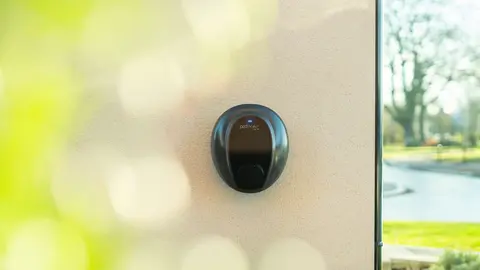
pod point ev charger on wall

A guide covering the two main types of charging subscriptions for homes and public charging, and how to decide whether to commit to one. 

What are EV charging subscriptions?
H2

Like many other kinds of subscriptions, an electric vehicle (EV) charging subscription is designed to make the experience of charging an electric car more affordable, more convenient, and more rewarding. 

There are two kinds of subscriptions available – for homes, and for public charging. 

  1. Public charging subscription 

Some network providers offer discounts and other incentives for using their chargers to paid subscribers. Whilst the details of how they work exactly can vary, the discounts are usually accessed via an associated app or physical card which replaces your debit or credit card. 

By paying a subscription cost each month, members usually get some sort of discount around the 20% mark, which can quickly add up if you frequently charge in public. Other bonuses can include a month’s subscription for free when signing up. 

  1. Home charging subscription 

Home EV charging subscriptions are similarly aimed at reducing costs, but specifically in the context of home charging. These subscriptions tend to be much higher than public charging subscriptions, but in exchange you’ll be able to get a dedicated home charging system at a significantly lower upfront cost. This is usually in the form of a one-off joining fee, which will still be much lower than the actual cost of the charger. 

In exchange for all this, the provider will often handle the smart charging for you, so all you need to do is plug in and let them do the rest. For example, they’ll usually try to get the cheapest available charging rate, and they may even pay you back for it – either in direct cash, or with miles. 

Tip: with Pod Drive, you’ll get an all-inclusive 3-year subscription that comes with a premium home charging system covered by a 48-hour lifetime warranty and up to 7,500 miles paid for, all for just £40 per month and a one-off £99 joining fee. 

#F2F5CF
#000000
Is an EV charging subscription right for you?
H2

A subscription can be a great way of reducing your overall charging costs, but you often need to commit to them for a long period of time. So there are some key factors you need to consider before committing to one: 

  1. How often you charge, and where 

If you never or rarely use public charging, then a subscription might not be worth it and could even cost you money in the long run. Similarly, there’s no need for a home charging subscription if you don’t (or can’t) charge at home. 

But how often you charge also matters, to an extent. If you rely solely on public charging, but very rarely need to charge, then again you might find you don’t need a subscription, whereas if you charge frequently then it could be worth considering. On the other hand, if you only charge at home, a charging subscription is much more likely to be beneficial.  That’s because of... 

  1. How much the subscription costs 

Charging subscription costs do obviously rack up over time, especially for home charging subscriptions which cost a fair bit more than public subscriptions. But even if you don’t need the rewards that come with a home charging subscription, it may pay off in other ways, such as reducing the upfront costs of getting the charger installed and spreading it over a more manageable timeframe. 

Whether a public charging subscription is worth it is purely down to your charging habits. Fortunately, the subscription will tell you what sort of discount/rewards you get for becoming a member, so it should be easy to make the decision. 

  1. What network the subscription covers 

For public charging, it’s worth considering which charging provider(s) your membership covers, and whether these are chargers you have reliable access to. This is because there’s no point getting a subscription for a service that have very few public charging stations in your area. 

On the other hand, some subscriptions cover multiple provider networks, so even if you have a preference for a specific company’s chargers, it may be worth getting a subscription if it gives you access to a wider range of chargers. 

  1. How flexible the contract is 

Home charging subscriptions that let you spread the cost of the charger will likely last for a long time, so you need to be sure you can be in a financial position to keep up with the monthly payments later down the line. 

Public charging contracts, by comparison, tend to be much more flexible, offering cancellations any time during the contract. This means you can trial the subscription for a month or two and easily compare the costs to see if it’s worth it, and then cancel if it’s not. 

So, which is best – a home or public charging subscription?
H2

Ultimately, which one you choose is largely a matter of preference. If you only ever charge in public, and don’t have access to a home charger, then a public subscription could be worth going for. 

However, if you have a home charger and want to charge frequently at home, then a home charging subscription would make the most financial sense. This is doubly the case for anyone that doesn’t have a charger yet but wants one, or is swapping out an older charger for something newer, as it will allow you to make the upgrade with more manageable monthly payments, rather than one lump sum. 

Tip: New Pod Drive customers get our latest charger, the Solo 3S, when they join for just £99. Our all-inclusive subscription makes charging easy, with our easy-to-use app doing all the hard work; just tell us when you need to be charged by, plug in, and we’ll do the rest! 

#F2F5CF
#000000
Article read time
5 min read
H6
Summary
H2

With an electric car charging subscription, EV drivers have the potential to save money, either on the costs of charging their car, installing a dedicated home charger, or both. They usually come with cheaper tariff rates and include other incentives like rewards, such as bonus miles, in exchange for allowing the subscription provider to handle your charging during a long-term commitment lasting multiple years. 

H6
Off

Member for

8 months 3 weeks
Off
Categories

A guide covering what electric car energy tariffs are and how they work, what smart meters are, and what smart charging actually means. 

What is smart charging?
H2

Smart charging is a catch-all buzzword that can mean many things. But in its simplest form, an electric car home charger is considered “smart” when it’s more than just a plug socket. For example, a basic charging cable that plugs into a standard 3-pin UK plug socket is unlikely to be smart as it’s just a charging cable. 

Most modern dedicated home charging systems, by comparison, come with a host of additional smart features. This means the charger does more than simply charge the EV, but also monitor energy usage, allow for charge scheduling, remote locking, and so on. 

Image
Smart Charge

Tip: Smart charging also encompasses a range of more complex features designed to connect electric cars, their chargers, and the energy grid together and future proof the UK’s energy infrastructure. You can find out more about smart charging in our guide

#F2F5CF
#000000
What is an EV energy tariff?
H2

Some energy suppliers in the UK offer exclusive tariffs designed for electric car drivers. Whilst the nuances between them may be different, they fundamentally work in one of two ways: 

  1. Dual-rate tariff 

The most common tariff type, offering cheaper energy prices during off-peak hours – typically overnight. This makes it most cost-effect for drivers to charge their EVs overnight (or run other long-time devices in the house, like a dishwasher or washing machine) for significantly less cost. A primary advantage to these tariffs is you don’t have to own an EV or charger to be on it. 

  1. Add-on tariffs 

These work by effectively prioritising electric cars, applying a cheaper rate when you charge your EV. However, the cheaper rate only applies to the car; all other energy used in your home will still be charged at your tariff’s standard rate. The advantage, however, is the cheaper EV charging rate applies at any time, rather than limiting you to charging overnight. That said, you will need to have a compatible electric car and home charger to be able to get this kind of tariff. 

What is a smart meter?
H2

The above energy tariffs can only work if your energy supplier can track your energy usage throughout the day and implement different rates depending on the time of day or when the EV is plugged in. This, fundamentally, is why you need a smart meter, as they’re capable of doing this. 

Any type of energy meter, whether it’s smart or not, is a device installed in a house that monitors energy usage. Some older properties may have separate meters for gas and electricity, whilst more modern homes combine them into one device. 

However, the key difference is that smart meters send the readings automatically to the energy supplier, whereas with a traditional meter you have to manually log it, either over the phone, on a website, or through an associated app. Smart meters also have digital displays which show you real-time information on your energy usage and tariff prices. 

The advantage of all this is it makes your energy readings much more accurate, and avoids estimations which may cost you more money than they should. They also allow you to access a wider range of energy tariffs, some of which may offer rewards for being on them, like dual-rate EV tariffs. 

Network operators also benefit from smart meters being in homes because they can use the data to make more accurate predictions for peaks in demand and, in turn, when and how often they might need to turn on extra generators to cope. 

So, do you need a smart meter?
H2

The short answer is yes: whether you drive an EV or not, having a smart meter is beneficial because it gives you a much greater range of tariffs to choose from, which could save you money in the long run. 

They’re especially important for electric car drivers, because without one, you won’t be able to sign up to an energy tariff that makes your charging cheaper. That said, you don’t have to have one if you don’t want one, but the advantages of having a smart meter outweigh any negatives that may come with them. 

Image
Smart Charge

Tip: If you don't have a smart meter, you’ll be missing out on our Plug & Power Bundle. By signing up, you’ll get our award-winning Solo 3S home charger for just £499 upfront, with the remainder split across an exclusive 2-year fixed low-cost energy tariff supplied by EDF. 

#F2F5CF
#000000
Article read time
4 min read
H6
Summary
H2

Electric vehicle (EV) tariffs are special dual-rate tariffs designed to benefit EV drivers. They typically offer cheaper electricity overnight during off-peak hours to encourage charging during periods of low demand. 

To be able to get on an EV tariff, you must have a suitable smart meter installed at your home and a suitable home charging system that offers smart charging features. 

H6
Off

Member for

8 months 3 weeks
Off
Image
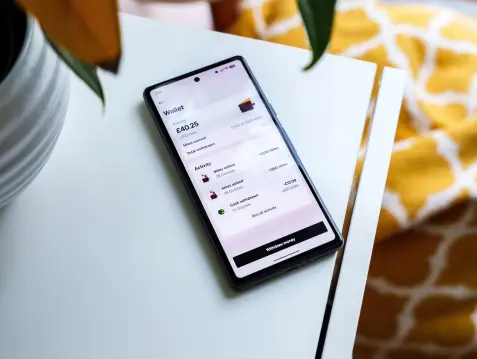
screenshot of pod home app showing wallet screen
Categories

Whether you’re shopping around for a birthday, a holiday, or other special occasion, you’re sure to love these eco-friendly gifts for EV drivers.

Everyday essentials
Everyday essentials
H2

From reusable charging accessories to gifts for road trips and cleaning, you can give someone the gift of convenience with sustainable EV accessories that will make their daily driving more efficient and eco-friendly:

  1. Reusable charging cable bag

With a special charging cable bag, they can keep their cables neat and tidy, and protect them from damage, without single-use plastics in a stylish bag.

  1. Eco-friendly car washing kits

Keeping your EV clean in a climate-conscious way has never been easier, with many businesses offering kits that come with biodegradable soaps, waterless cleaners, and reusable microfibre cloths.

  1. Portable trunk storage bins

Storing everyday driving essentials tidy, like reusable shopping bags or emergency repair kits, in a storage bin is a great way to keep your boot clean and organised. Alternatively, it makes packing for a long-distance trip easier.

  1. Recycled boot liners and floor mats

If the interior floor mats of your car are looking a bit tired, you could give them a refresh with new mats made of durable, upcycled rubber or plastic.

#F2F5CF
#000000
Tech tools
Tech tools
H6

Tech-forward green gifts are always a hit, especially with EV enthusiasts who love innovation. Fortunately, there are lots of handy tech tools that make great gifts for electric car owners and enhance the everyday electric car driving experience, including:

  • Portable solar chargers to keep your devices topped up without relying on the car’s battery
  • Dash cams made from recycled materials for green and safe driving
  • Premium subscriptions for EV route planning apps like Zapmap to help optimise charging stops and minimise carbon footprints
  • A dedicated smart home charger is a great way to help someone upgrade to a more efficient and energy-smart home charging setup
  • Bluetooth car speakers will undoubtedly enhance any EV journey by letting you listen to your favourite music or podcasts
Sustainable and stylish
H2

Driving electric and living sustainably doesn’t have to mean sacrificing on style. It’s perfectly possible to live good and look good doing it. So why not consider something ethical gifts for eco-conscious people that merge the two?

Digital gifts and experiences
H2

For the driver who has everything, it can be really difficult to come up with an appropriate and meaningful gift. If you know someone like this, it’s perfectly possible to come up with a gift that makes an impact without taking up space or being a duplicate of something they already have, such as:

  • Carbon offset programs – give the gift of offsetting an amount of emissions, such as through tree-planting initiatives
  • EV test drive voucher – perfect for the EV owner looking to upgrade, or a non-EV driver who’s on the fence about making the switch
  • Sustainable webinars or green driving workshops – knowledge is power, and it can make a great gift for someone who wants to enhance their electric car ownership by learning more about them, or other sustainability schemes
  • Digital gift cards for EV accessories – if you don’t know what they have, there’s always the classic digital gift card to let them choose what eco-essentials they want to buy
Wrap it up in low-waste style
H2

Whatever you end buying, the last thing you’ll want to do is wrap it in plastic or glittery paper, as these can generate huge amounts of waste. The cherry on top is to wrap the gift up in some form of sustainable wrapping.

The classic choice is to place the gift inside a reusable gift bag with some upcycled, or at least recyclable, wrapping paper to cover it. But there are plenty of nifty alternative ideas to choose from.

For example, an increasingly popular method of wrapping gifts – or anything else, for that matter – is furoshiki. This is a traditional Japanese style of wrapping that uses reusable cloths in a unique and pleasing style. There are plenty of fabrics you can get for it, or you can reuse your own for beautiful and sustainable gift wrapping.

Another nice idea is to replace the traditional card gift tag with plantable seed paper. You can still write a handwritten note on them, and the gift receiver can then plant the seed paper to grow a beautiful flower for an additional eco-friendly surprise.

Sustainable gift giving made easy
H2

Eco-friendly gifts for EV owners are becoming increasingly popular as more drivers make the switch to electric cars, including sustainable EV accessories. Whether you’re celebrating a holiday, birthday, a milestone, or other special event, you’re sure to find an eco-friendly gift than aligns with your personal sustainability values that will bring joy to any electric car journey.

Article read time
4 min read
H6
Summary
H2

Finding sustainable presents that align with an electric car lifestyle can make gift-giving both meaningful and kind to the planet, whether you’re buying a gift for a friend, partner, or yourself.

Our EV holiday gift guide is curated for those who care about cleaner driving, greener living, and practical tools that make EV ownership even more rewarding. From zero-waste gift ideas to smart tech upgrades, this is your go-to list of green gifts for drivers who want it all – sustainability, style, and everyday usefulness.

H6
Off

Member for

8 months 3 weeks
Off
Image
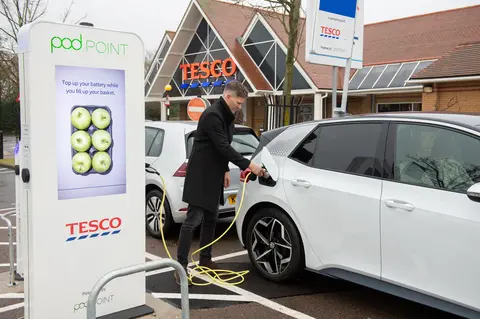
Man Charging an EV in a Tesco car park

A guide explaining the energy mixture of electricity used by public electric car chargers, including how much of that comes from renewable energy, and how to tell. 

Is it possible for public charging stations to use renewable energy?
H2

Simply put: yes, it’s entirely possible, and they likely do! But to understand why, it makes sense to take a look at how the UK’s energy system works. 

With the goal of reaching net zero by 2050, the UK’s energy sector has invested heavily into making the energy it generates more sustainable and less reliant on burning polluting fossil fuels. The ultimate aim is to have an electricity system built on 100% zero-carbon energy, much of this expected to come from renewable sources including the wind and Sun. 

The UK’s use of renewable energy has been steadily increasing over the last few decades, rising from around just 2% in 1991 to well over 40% in 2025, with a peak of 51% in 2024. This means that it’s very possible that EV public charging systems are at least in part powered by some form of renewable energy. 

How can you tell if a public charger is using renewable energy?
H2

The reality is, it’s actually very difficult, if not impossible, to tell whether the public charger you’re using is currently – or at all – uses electricity generated from renewable sources. 

There may be some niche instances where it’s obvious, such as if the charger has solar panels attached to it or some form of branding indicating its use of renewables. But for the most part, public chargers are not functionally dissimilar to home chargers, in that they’re dedicated ports to charge electric cars. That’s not to say it won’t be using renewable energy – again, it’s likely that it does – but there’s no way to be completely certain. 

Do EVs charge slower when filled with renewable energy?
H2

Just like anywhere else, what source your electricity comes from – be it a renewable source like solar energy, or by burning fossil fuels – has no impact on how it works. So the simplest answer to this is a resounding no: your electric car won’t charge any slower (or faster, sadly!) if it’s being powered by renewable energy. But it will be greener though! 

What is the most eco-friendly way to charge your EV?
H2

Electric vehicles are already great for the environment, and this is doubly the case if it can be charged using renewable energy. 

Unfortunately, whilst charging out and about – whether that’s in public, or at work – is a great way to keep your EV topped up, and likely involves the use of some amount of renewable energy, drivers don’t actually have any way to control this. It would be lovely if we knew with absolute certainty that when charging in public our EVs were being filled with lovely green energy, but that simply isn’t the case. 

However, it can be the case at home, where we have more – although, still limited - control over what kind of energy we use, and when and how we charge. 

More specifically, the most eco-friendly time to charge is overnight. This is because energy demand is lowest overnight as we’re all (more or less) asleep, meaning we don’t need as much electricity from the energy grid. This in turn means the grid won’t need to turn on extra fossil fuel-burning generators to meet demand, making it a green time to charge. 

Plus, there are some ways we can personally increase the amount of renewable energy in our home. One such way is using solar panels and pairing them with a solar compatible charger to charge you electric car using zero carbon (and potentially free) solar energy. 

Tip: the Solo 3S home charging system is our award-winning and solar compatible home charger. It can be purchased upfront from £849, or included in the Plug & Power Bundle which reduces the upfront cost to £499 and spreads the remainder across an exclusive 2-year fixed low-cost energy tariff supplied by EDF. 

Article read time
3 min read
H6
Summary
H2

Generally speaking, some of the electricity used at a public electric vehicle charging station will have been generated from renewable energy sources. This is because the UK’s energy network at large generates a significant amount from renewables. However, it’s not possible to know exactly how much energy you use when charging in public has come from a renewable source. 

H6
Off

Member for

8 months 3 weeks
Off
Image
Categories

Looking to set sail on a road trip across Europe? Here’s everything you need to know in our electric vehicle ferry guide.

Can you take an EV on a ferry?
H2

Generally speaking, you should have no problem transporting an electric car by ferry. The majority of the major operators between the UK and mainland Europe allow EV ferry travel, and won’t treat the car any differently to an internal combustion engine (ICE) car. In fact, you may even find that some operators offer discounts for EVs, making it cheaper to cross the Channel in an electric car.

However, they may have some specific ferry rules for electric vehicles or practices in place. For example, some operators may put electric vehicles in different lanes on the car deck to non-EVs due to their heavier weights, in order to better balance the overall weight of the vessel. You may also find that the operator applies a sticker to your car labelling it as an EV, which will likely be to help the crew identify it easier.

If you intend to get a ferry somewhere within Europe during your travels, you should make sure to check in advance that the operator allows EVs on their ferries, as smaller operators may be strict on what types of vehicles they can carry.

How to book a ferry trip with an EV
H2

When it comes to booking your electric car for a ferry, it’s usually simply a case of selecting ‘EV’ in a drop-down menu to inform the operator. This gives them advanced notice so they can better plan the layout of the car deck prior to loading all the cars onto the ferry.

It’s possible that you might face additional charges for bringing your electric car onto a ferry, which could be for a number of reasons. For example, if the ferry offers EV charging, you may need to pay for it in advance when you book. Additionally, there may be other requirements or information you need to supply as part of your booking, such as the condition of the car and its battery.

EVs and safety regulations on ferries
H2

EV ferry travel is usually no different to in an ICE car. Unfortunately, there still seems to be a widespread concern about electric cars being unsafe, particularly with fire risks from their batteries. This is the most likely reason that a ferry operator bans EVs from travelling on their ferries, although they may also have more legitimate concerns over the weights of electric cars.

The simple truth is, EVs are just as safe, if not safer than, equivalent ICE cars. In fact, contrary to anti-EV sceptics claims, ICE cars are much more likely to be the cause of vehicle-related fires than electric cars. It’s precisely because they’re less common that EV fires get reported as news, which is then used to suggest that they’re more dangerous. So, if anything, ICE cars shouldn’t be allowed on ferries.

Of course, this does depend on the condition of your electric car. So long as you look after your EV and maintain it properly, you shouldn’t have any problems. But if you are aware of any issues with your car or the battery, you should make sure to get these addressed and fixed prior to travelling, whether on a ferry or not.

That said, ferry crews are of course fully trained to deal with vehicle fires, whether they’re caused by ICE cars or EVs. Whilst EVs may be parked in separate lanes on the car deck, this is unlikely to be because of fire concerns but rather weight balancing. In the very unlikely event of an electric car fire, the same rules still apply; follow all instructions from the crew and you’ll be fine.

Can you charge an EV on a ferry?
H2

One of the benefits of electric cars is the ability to charge them whilst they’re parked, which accounts for about 95% of a car’s entire lifespan. Ferry crossings are a great opportunity to charge an EV because they often take a number of hours, and fortunately it’s becoming increasingly possible across a range of major operators. Depending on your EV make and model, a ferry crossing may be the ideal amount of time to charge it back to full, giving you a fully charged electric car for the next leg of your road trip.

Checking which operators provide EV charging on their ferries should be easy. However, due to the limited space on board the ferry, and potential power limitations, they are unlikely to be able to offer electric car charging for every EV on board. Due to the limited availability, the EV chargers will likely be first-come-first-served, and the ferry’s crew will likely be the ones to connect and disconnect the charger to your EV for safety reasons.

How much it costs you will completely vary by operator, as they could either charge you a flat fee or set a tariff for however long you’re plugged in for. It’s possible charging on an EV could cost you more than it usually does in public, so be sure to factor these extra costs in when booking.

Of course, whether you’re using the ferry’s chargers or not, be sure to always follow the rules of public EV charging etiquette. Not only is it polite, but it also keeps you, other passengers, and the crew safe on the crossing.

Image
lightbulb icon

Tip: there are plenty of other options to avoid having to solely rely on the ferry’s chargers by planning your EV road trip accordingly. For example, you could plan extra time into your journey and get a full charge close to the ferry port prior to boarding, or use online charging maps to find chargers along your route after you disembark the ferry. Just like the UK, Europe has plenty of public EV charging available!

#F2F5CF
#000000
Tips for a smooth ferry ride with your EV
H2

There are plenty of EV travel tips you can take to ensure a smooth crossing on a ferry. Our top tips include:

  • Arrive early: queues at ferry ports can be long and boring, but you really don’t want to be the car that holds up the crossing. Arriving early gives you a calm and stress-free checking-in experience, whilst also avoiding giving any nearby EV sceptics even more reasons to dislike you (even if your EV is better for the environment than theirs)
  • Be mindful of your EV’s range: although the ferry you’re boarding may provide electric car charging, don’t take it for granted. Similarly, you may know where your next charging stop is once you disembark, but it could be occupied. You don’t want to arrive with a low battery and then find no charging options once you hit the mainland. Top up before boarding and make sure to note down plenty of back-up charging options in case your first choice is in use
  • Pack the EV essentials: whether you’re travelling on a ferry or not, always remember to pack your EV charging cable as non-rapid public chargers don’t provide cables to use. Also, if your car has a Type 1 socket, you might need to pack an adapter, as most chargers throughout Europe (including the UK) use Type 2 sockets
  • Download useful charging apps: there are plenty of apps available that will help you find public chargers need the ferry ports, as well as show their availability. These make it easy to get a quick charge in before or after the ferry ride for a stress-free EV road trip
So, can you take an EV on a ferry? Yes!
H2

Unless the ferry operator specifically says otherwise, you shouldn’t have any problems bringing your electric car on a ferry. In fact, your crossing is unlikely to be any different than if you were in an ICE car, despite what you may read in the media. The only difference will be in how much your journey pollutes the environment, but that’s only if you cross in an ICE car! So, all you need to prepare for is a relaxing and stress-free crossing. 

Article read time
7 min read
H6
Summary
H2

Driving an EV across mainland Europe can be a great way to get around, with plenty of charging infrastructure available across multiple countries to keep you moving through the continent sustainably. But in order to do so, you’ll have to cross by ferry. Fortunately, taking your EV on a ferry is easy as most ferry operators allow electric vehicles on their services, with some even providing EV charging on them. However, some companies have even banned EVs from crossing using their ferries, so it’s important to check your chosen operator’s policies before booking with them.

H6
Off