What do Green Number Plates Mean?
If you’ve seen a green number plate and wondered what it means, this guide will tell you everything you need to know about them.
Summary
Green number plates were introduced in the UK in December 2020 as part of the government’s wider push to net-zero. Essentially, a green number plate indicates that the car is either fully electric or a battery-electric vehicle (BEV), which means 100% of its power comes from an electric motor, or a hydrogen fuel cell car.
They’re becoming an increasingly common sight on UK roads thanks to the huge surge in drivers switching to electric cars, with the latest estimates suggesting there are over 1.6 million EVs in the UK today.
What are green number plates?
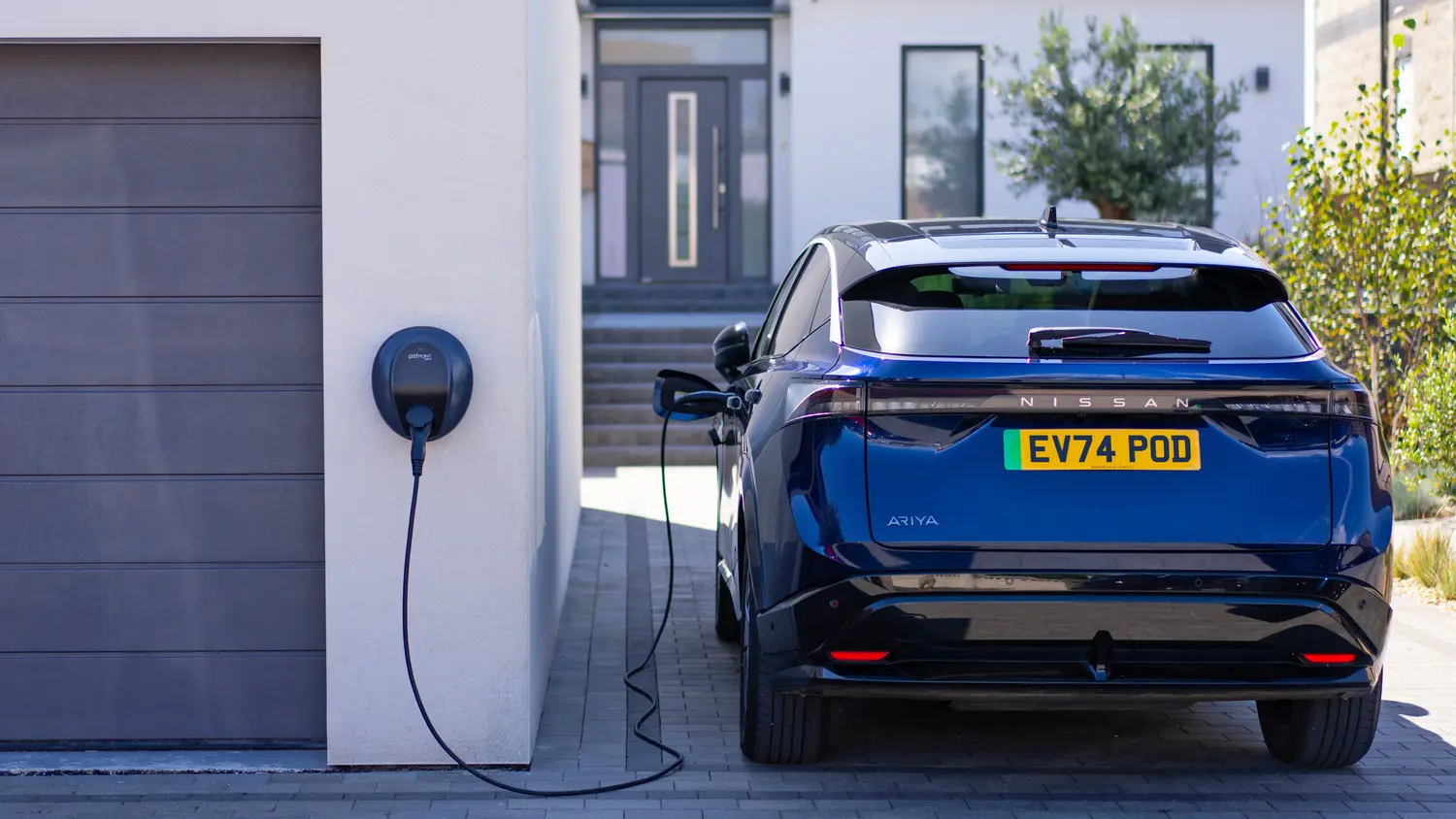
Despite what the name suggests, these aren’t actually number plates that are completely green. Instead, they’re standard number plates with a green stripe on the left-hand side (as you’re looking at the front of the car from the outside).
Green number plates are for electric vehicles, and are used to identify them so that the driver can benefit from a range of electric car incentives. Specifically, however, they’re only used on cars that are either hydrogen fuel cell cars or fully electric vehicles. In other words, you won’t find a green number plate on a hybrid or non-electric car.
The UK isn’t the only country in the world to have them, either. Canada, China, Hungary and Norway have similar schemes in place that use number plates to identify cars as fully electric.
Why were green plates for EVs introduced?
UK EV number plates fundamentally work the exact same way as they do with traditional petrol/diesel cars. However, the green stripe or “flash” was added to license plates back in December 2020 by the then-Transport Minister Rachel Maclean as part of the then-government’s wider net-zero strategies, specifically its goal of banning the sales of new petrol and diesel cars by 2035. The government at the time was looking for ways to encourage drivers to switch to EVs, and it was thought that the stripe on the number plate would help raise awareness around electric vehicles by showing drivers that more electric cars were on the roads and getting them thinking about switching.
At the time, the Department for Transport (DfT) were also hoping that EV drivers with the green number plate would start to see incentives offered by Local Authorities, such as free parking. However, these incentives were never set in stone, and fundamentally never came about, primarily due to concerns that non-electric car drivers could swap their number plates for a green number plate and claim the benefits without actually switching to an EV. There was also the fact that the DVLA already had records of what type of fuel each registered car used, meaning the green flash on the license plate wouldn’t be needed for councils to identify the car as electric.
What are the benefits of green number plates?
Despite the DfT’s hoped-for benefits never formally materialising, there are still some benefits to having the green flash on your EV.
For starters, they still help to make it more obvious to Local Authorities how many drivers in their area are driving electric, which in turn could be used to eventually develop new policies that benefit EV drivers. Some schemes that have reportedly been considered include cheaper parking and the use of bus lanes, although how and when these are implemented could vary across councils. By having the green plates already implemented as a system, this would in turn future-proof EVs that have them fitted if and when these perks appear.
Even then, they still help to raise awareness with the public. Making EVs more visible is a great way to get the general public thinking about electric cars, especially considering the long list of environmental benefits to going electric.
And, if nothing else, being an EV driver with an electric car with a green number plate means you can show off your car’s zero-emissions credentials and the fact you’re contributing to the UK’s sustainability efforts.
How to get a green number plate
If you fancy getting a green license plate, the good news is it’s easy to do, whether you’re about to buy an EV or already have one. Remember, these can only be fitted to 100% electric cars or hydrogen fuel cell vehicles, so if you have a hybrid you won’t be able to get one fitted. And don’t forget to update your insurance policy and other key documents once the new plates are fitted!
For new EV drivers
When buying a new electric car from a dealership, they should be able to swap out the traditional number plate for a green license plate if you ask them. But if they can’t, or you forget, then...
For existing EVs
If you already have an electric car, or you’re buying a second-hand EV, green plates can be retrofitted to eligible EVs easily provided you order the plates from a registered plate supplier. To do so, you’ll need to provide proof of your ID and evidence that you’re the owner of the car, which can be done with the V5C logbook, which should also indicate that the car is a zero-emissions vehicle as proof of eligibility for the green plate.
You can also potentially change the plates of a car you’re leasing or paying for via finance, but you’ll need to check with the lender first.
Are green number plates compulsory?
Fortunately, you aren’t forced to have a green number plate on your EV if you don’t want to. This is because many zones like ULEZ and Clean Air Zones that charge a fee for driving in them use automatic number plate recognition (ANPR) technology to identify cars that are exempt from the fee. So if you’re driving an EV and it’s exempt from the fee, you won’t need to worry about not having a green license plate as the actual license plate will have records of what type of fuel your car uses and whether you need to pay or not.
Are there any limitations to getting a green number plate?
As previously stated, the key thing to remember is that green number plates are only for pure electric vehicles and hydrogen fuel cell cars. This means if you have a hybrid, even a plug-in hybrid, you can’t get one (which could be another reason why you should buy an EV rather than a hybrid!).
Also, be mindful that if benefits are introduced by Local Authorities, they may not be applicable nationwide. Perks could vary by region, so you’ll want to check beforehand what perks, if any, the council you’re driving through offers.
For London drivers, another important thing to consider is the current rules around the capital’s ULEZ and Congestion Charge zones. Electric cars currently don’t need to pay either, but in December 2025 EVs will start having to pay the Congestion Charge – regardless of whether the car has a green number plate or not.
Similarly, other cities across the UK have their own Clean Air Zones, which electric cars are exempt from paying. However, you may find in the future that the exemption ends, and it’s unlikely that having a green number plate will keep your car exempt.
The future of green number plates in the UK
Despite them not being compulsory, or specifically tied to unique incentives, it seems likely that green number plates will continue to exist. Having the system in place means that it will be easier to identify cars as fully electric if any future incentives come about as a result of rising EV adoption rates. That said, a similar or entirely different system could be used in the future, but that seems unlikely for now.
If nothing else, green number plates are now such a common sight on UK roads that the public have gotten used to seeing them. There’s little doubt that seeing so many EVs on the roads will have helped shape public attitudes towards them, and you could even argue that the green flash on the plate has become something of a symbol of the broad efforts to make transport more sustainable.
It would be a shame for the UK to retire the green number plate, given it’s so iconic. It’s become more than just a bit of green plastic, but rather a representation of a much wider movement, and the huge progress we’ve taken, towards a greener future.
So the next time you see a green number plate, you’ll know it’s a fully electric car producing zero tailpipe emissions. Why not join them?