Member for

9 months 4 weeks
On
Image
Theydon-Bois-Low-Res-028

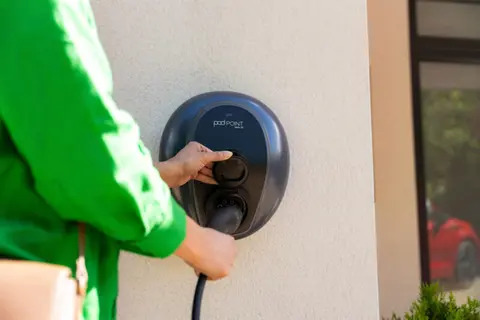
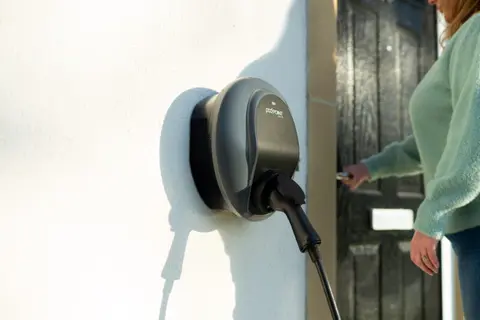
A guide covering electric car home charger maintenance, including how to clean it and keep its software up-to-date.

#heading1
How to keep your EV charger maintained
H2

Keeping your charger maintained is just as important as looking after your car. With a regular maintenance schedule, it doesn’t take much to keep it in top working order.

Image
Smart Charge

Tip: If you do notice anything wrong with your charger, do not attempt to fix it yourself or open the charger as this could invalidate your warranty or put your safety at risk. Inform the provider or have it inspected by a qualified electrician.

#F2F5CF
#000000
#heading2
H2

Here are some steps you can take to look after your charger:

  • Inspect the charger frequently
  • Keep the charger clean
  • Keep software up to date

Inspect the charger frequently 

Like any other plug-in device, most drivers walk away straight after plugging in their EV. However, it’s worth getting into the habit of looking at the charger and making a note of anything that might look out of place.

This could include physical damage to the casing, loose connections, or a broken socket cap.

Keep the charger clean

Lots of drivers put great care into keeping their car looking spotless. Frequently cleaning your charger not only makes it look nicer, but it can also ensure no dirt or debris comes into contact with the electronics inside which makes it last longer.

Carefully wipe off any dirt or debris from the charger’s shell. You can clean the charging port by gently using a Q-tip around the charging contacts. However, make sure not to use any chemicals when cleaning the charging port, as this can damage the electronics.

Keep software up to date

Home chargers are like any smart device, in that they often receive software updates. These typically include security updates, resolve glitches, or new features.

Most chargers and apps will update automatically, but it’s worth checking occasionally for EV charger software updates to make sure it’s on the latest recommended version. Otherwise, your charger could be less efficient, or less intelligent, than it should be.

#heading3
How to take care of your EV charging cables
H2

Just like the charger, you should always make sure to maintain your electric car charging cables.

Store it neatly and safely

Unlike phone cables, it can be costly to repair or replace a charging cable. After every charge, make sure to give them a good clean and store them neatly. It’s also worth inspecting them for any damage or exposed wires every time you use it. If your cable is damaged, you should get it repaired or replaced immediately.

Keep your charging cable secure

The last thing anyone wants is for their cable to get stolen. If you’re worried about your cable being stolen, you might want to invest in a charger with a tethered cable. This is where the cable is permanently attached to the charger, so it’s difficult to steal. Otherwise, if necessary, store your cable in a garage or generally indoors.

#heading4
Why is it important to maintain your charger and cable?
H2

Looking after your charger and cable with regular inspections and maintenance is very important. It keeps the charger working safely and efficiently, but also saves you from having to pay money on repairs.

Even though chargers include a warranty - such as Pod Point’s Solo charger with 5-year warranty as standard, covering both the product and installation - taking the steps outlined above can keep it working for long after the warranty.

Article read time
4 min read
H6
Summary
H2

Just like buying a car, getting a home charger installed is a big investment. Whether yours is brand new or you’ve had it for a while, you’ll want to spend time maintaining it. There are many things you can do to make your electric vehicle (EV) charger last a long time, well beyond its warranty.
H2
Off

Member for

9 months 4 weeks
On
Image
Tethered-vs-Untethered-EV-Charger-Which-is-the-Best?

A guide comparing electric vehicle (EV) chargers with and without a permanently fixed charging cable.

#heading1
What is a tethered and untethered charger?
H2

If you’ve ever compared EV home chargers, you’d have come across the terms tethered and untethered. They simply mean that a chargepoint comes with a fixed (tethered) or without a fixed (untethered) cable.

Both will do the job of charging your electric car and have a number of advantages and disadvantages. When choosing between the two, you should consider which charger option suits you and your lifestyle best before investing in a device to charge your EV battery at home.

#F2F5CF
#000000
#heading2
What’s the difference between tethered and untethered chargers?
H2

The key difference is in the way the charging cable attaches to the device.

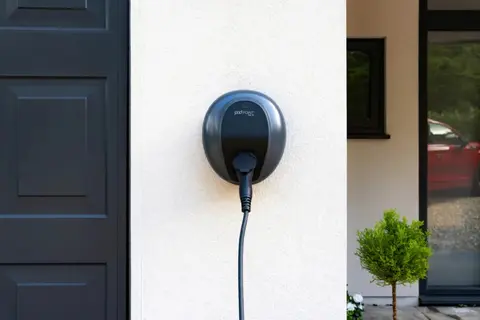
A tethered charger will be installed with a pre-fitted cable that cannot be removed. It’s fixed to the device, making it an irremovable part of the charger.

An untethered charger has no attached cable by default. In its place, you’ll find a socket. To charge your EV, you’ll need to plug your own cable into this socket.

Image
Tethered-vs-Untethered-EV-Charger-Which-is-the-Best?
#F2F5CF
#000000
#heading3
What is a tethered charger?
H2

If you’ve ever compared EV home chargers, you’d have come across the terms tethered and untethered. They simply mean that a chargepoint comes with a fixed (tethered) or without a fixed (untethered) cable.

Both will do the job of charging your electric car and have a number of advantages and disadvantages. When choosing between the two, you should consider which charger option suits you and your lifestyle best before investing in a device to charge your EV battery at home.

Advantages of a tethered charger

  • Quick and easy to use – No need to locate your cable and attach it to the device before charging your EV. You can simply plug the tethered cable into your electric car and charge.

  • Thief-proof – A cable that is tethered to your charger is harder to steal, so you’ll feel safer leaving it out.

Disadvantages of a tethered charger

  • Limited to a specific cable and connector – if you decide you want to change to a longer or shorter cable or switch the connector type after your charger is installed, you’ll have to change the whole charger.

  • Larger setup - tethered chargers take up more space than a charger without a fixed cable, which might not be for you if you're after a super sleek and simplistic look.

  • Cost – The addition of the cable means tethered chargers cost more than untethered chargers. If you already have the right cable for your EV and you don’t plan on changing your EV anytime soon, the extra cost becomes an unnecessary expense.

#F2F5CF
#000000
#heading4
What is an untethered charger?
H2

An untethered charger has no permanently attached cable. It’s sometimes also referred to as a universal charger because it has a socket which allows you to plug in cables with different types of connectors.

You can learn more about EV charging connector types in our guide.

Advantages of an untethered charger

  • Minimalist look – No fixed cable means an untethered charger takes up less space, allowing for a sleeker design.

  • Cheaper option – Untethered chargers tend to cost less than tethered equivalents because you don’t have to pay for the cable. If you already have a compatible charging cable, you’ll be able to save money when opting for a untethered charger.

  • Flexibility and future-proofing – You’re free to change your cable and connector without having to replace the entire charger.

Disadvantages of an untethered charger

  • No cable, no charging – You have to remember to bring your cable or where it was last stored. If you use your charging cable away from home and forget to bring it back, you won’t be able to use your home charger.

  • Less convenient – Having an untethered charger requires you to unpack, plug, unplug and pack away your cable every time you use your home charger, which takes more time than simply plugging in a tethered cable.

  • Not for the forgetful - Once you’re done charging you need to remember to unplug the cable and pack it away. If you don’t, it could in theory be unplugged by anyone.

#F2F5CF
#000000
#heading5
Which is better – tethered or untethered?
H2

Objectively, no charger is better than the other, so the choice between tethered and untethered is up to your preferences and requirements. Untethered chargers are generally more flexible as they allow you to change your cable to suit your needed length and connector type, which is great if you plan to regularly change your electric car. On the other hand, tethered chargers offer easier everyday use and come with cables that are longer than common cables used with tethered chargers.

The key things to consider before making your choice are:

  • Convenience

  • Cable length

  • Cost

  • Charging frequency

  • Aesthetics

#F2F5CF
#000000
Article read time
5 min read
H6
Summary
H2

Whether a tethered or untethered EV charger is best for you depends on your budget, how much convenience matters to you, and your aesthetic preferences.

#F2F5CF
#000000
#F2F5CF
#000000
H6
Off

Member for

9 months 4 weeks
On
Image
Can-You-Charge-an-Electric-Car-With-an-Extension-Cable?

A guide looking at the possibility of using an extension cable to charge an electric car.

#heading1
Charging without an EV home charger – is it possible?
H2

With a growing number of electric vehicles (EVs) on the road comes the need for flexible and reliable charging solutions. For many EV drivers, the ability to charge their cars conveniently at home is important. If you’re lucky, you’ll have a drive or private off-street parking to install a dedicated home charger.

Electric car owners without a driveway or off-street parking can use public charging like fast chargers at supermarkets and on parking lots or rapid chargers found off motorways to keep their batteries charged. But what if you still want to charge at home? In this guide, we’ll find out if it’s possible to charge an electric car with an extension cable plugged into a standard 3-pin socket at home.

#heading2
Charging an electric car with an extension cable
H2

Whilst it is possible to charge an electric car with an extension cable using a standard 3-pin plug, this method of charging is generally not recommended. Experts and safety groups including Electrical Safety First advise against the use of extension cables to charge an electric car at home because of the associated safety risks.

Extension cords aren’t typically made to handle the high and sustained current needed for EV charging over extended periods. Carrying these high loads for sustained periods of time can lead to potential hazards such as overheating or electrical fires. Charging with an extension cable and 3-pin plug is also very slow. For example, a domestic 2.4kW socket takes over 24 hours to charge a 60kWh EV battery. By comparison, a 7kW EV home charger is around three times faster, and significantly safer. Because it takes so much longer with a 3-pin plug than a dedicated EV charger, the danger of overheating is compounded because you may have to leave an extension cord and the electric car charging unattended overnight or while you’re not at home to get enough charge.

#heading3
Safety tips for using extension cables for EV charging
H2

If you have to use an extension cable to charge your EV in an emergency, you should follow these simple tips to stay safe:

  • Select the right type of extension cable – Use an extension cord that is capable of handling the charging load. Opt for one that is made for outdoor use and rated at least 13 Amps.

  • Check the cable frequently – Always keep an eye on the charging process when using an extension cable. If you notice any signs of damage or overheating, stop charging immediately.

  • Follow the manufacturer’s guidelines – Check your EV’s instructions and any guidelines provided on the use of accessories like extension cables for charging.
Article read time
3 min read
H6
Summary
H2

Yes, you can charge an electric car with an extension cable using a 3-pin plug, but should you? If you can avoid it, we don’t recommend it as there are potential hazards like overheating and electric faults which could cause fires. Ideally, extension cables should only be used in emergencies, and always charge when you can monitor the process - i.e. not overnight.

H6
Off

Member for

9 months 4 weeks
On
Image
Tesco-Braunton-Low-Res-27
Categories

The ultimate guide on how to charge your electric car, covering the places you can top up your battery and how to start charging once you are there.

H6
Image
Smart Charge
#F2F5CF
#000000
#heading1
The charging ecosystem
H2

So, how do you charge an electric car? Charging an electric car is different from filling up a petrol/diesel vehicle with fuel; electric car drivers plug-in whenever they park and return to a vehicle with a fuller battery than when they left it.

It’s best to think “where do I park most regularly?” and look to use chargepoints installed in these locations. For most people that means home, then work, then your other destinations.

Occasionally you will need to drive further than the range left in your battery and need to charge en route at a high powered rapid charger.

Image
Eco-System-2021-Solo-3

The Charging Ecosystem

#heading2
Charging an electric car at home
H2

As long as you have off-street parking, you can charge your electric car at home by having a dedicated home charger installed. This is usually the most convenient place to charge, particularly when you can plug-in overnight.

  • A dedicated home charging point will give you the fastest possible charging speeds, typically between 10 and 30 miles of range per hour plugged in, with a 7.4kW charger being the most popular.
  • It will have built-in safety features and, if it’s Wi-Fi enabled, access to additional smart features like energy monitoring and over-the-air software updates.
  • Most home chargers have a cable attached, which you typically just plug in to your vehicle to start charging.
  • Our Untethered home chargers are also available with a universal ‘Type 2’ socket that accepts a separate cable and plugs into your car in the same way.
  • These separate cables are often provided by the vehicle manufacturer but if you didn’t receive one or need a spare, you can purchase them when ordering your home charger.
Image
Smart Charge

At Pod Point you can get a home EV charger, including standard installation, installed in as little as 2 hours. Shop now.

#F2F5CF
#000000
#heading3
H2
Image
Solo-3S-lf

EV charging at home

#heading4
Can you charge an electric car from a normal plug?
H2

Electric cars can also be plugged into a standard 3-pin plug at home, however it takes longer to charge and the sockets do not have the required safety features of a dedicated charger, therefore it is not considered best practice.
 

Learn more about charging at home.

Discover Pod Point’s Home Charging Solution.

Image
Smart Charge

Tip: Even if you choose a home charger with an attached cable, you’ll still need a separate ‘Type 2’ cable to plug-in to public charging stations (with the exception of DC rapid chargers which have attached cables). Make sure to choose the right EV charging cable for your car.

#F2F5CF
#000000
#heading5
H2

Can you turn on an EV while charging?

You can turn your EV on whilst it is charging, but you will be unable to move the vehicle and the power steering will also be disabled. There are onboard systems which can still be used whilst charging such as the heating and radio, should you want to warm your car before venturing out on a particularly cold morning.

Should I charge my electric car every night?

EV car batteries have a life measured in charge cycles or 'how many times you charge the battery'. Charging small amounts everyday contributes to this and it's often better to do fewer 'big' charges where, if your daily mileage is low and you can do a few days worth of driving on a single charge, you should. If you are low on charge at the end of each day, then you should charge, if not however, there is no benefit to charging every night.

When is the cheapest time to charge your electric car?

If you're not on a dual-rate tariff with off-peak rates, it makes no difference. But if you are, check your tariff to see when the cheapest times are. Charging your EV can be one of the biggest contributors to a household's electricity bill therefore we'd highly recommend investigating a dual rate tariff designed for EDF

#heading6
Charging an electric car at work
H2

It is highly convenient to charge at work, because, much like charging at home, your car is often parked for an extended period during the day.

Many organisations are now installing charging stations for staff and visitors as a perk, for sustainability reasons or to facilitate the switch to an electric fleet.
 

  • Workplace chargers typically offer the same charging speeds as home charging and normally have universal “Type 2” sockets, which mean you will need to take your own cable to the units.
  • Depending on your organisation’s preference, your charge may be started by simply plugging in, as with a homecharger, or by using an RFID swipe card or an app on your smartphone.
  • Very occasionally your workplace might install higher powered 50kW style rapid chargers, but given the cost, these would usually be installed for highly utilised, return to base fleet vehicles, rather than employee cars.

Learn more about Pod Point's workplace charging solutions.

Company car drivers choosing a lower emissions vehicle will benefit from reduced BIK rates. Find out more about company electric car tax

Image
Smart Charge

Tip: One of the most powerful catalysts for employers installing workplace chargepoints is EV drivers (and wannabe drivers) banding together and speaking to the HR team to request charge stations as an employee perk.

#F2F5CF
#000000
#heading7
H2
Image
Workplace-header-V2

Workplace charging

#heading8
Charging an electric car at public destinations
H2

You can charge your car when parked in public locations, like at the supermarket, gym, cinema, retail parks, town-centre car parks - you name it. 
 

It’s not usually necessary to fully charge your battery at your destination, but frequent top-ups mean that you don’t run low or have to wait while your battery recharges from empty.

  • Destination charging stations usually offer 7kW charging, giving 20-30 miles of range per hour plugged in for full battery electric vehicles (BEVs).
  • Many of them are provided free by businesses who use them as an incentive to visit their premises.
  • You’ll need to bring your own charging cable and often need to download a smartphone app to start your charge (although in some cases it’s as simple as just plugging in).
  • Some older chargepoints require you to send off for an access “RFID” card, however these are increasingly being phased out, as they do not offer ad hoc access for drivers.

You can use the Pod Point map to find destinations that offer charging stations. It lets you see live availability of chargepoints and control your charge events on the Pod Point Network.

If you want to see other networks too, we recommend using Zap-Map.

Learn more about how to access public charging points.


How do I pay for charging my electric car?

You’ll likely need to download a dedicated app to access and pay for charging your electric car at a public charger. Some chargers will allow you to simply tap your card to pay via contactless or swipe your credit card to complete the transaction.

Image
Smart Charge

Tip: We recommend taking the time to understand how to use the chargepoint that you intend to visit before you get there. Charging networks (like us) are working hard to make the process as effortless as possible, but some planning - particularly if you are relying on the chargepoint - does go a long way.

#F2F5CF
#000000
#heading9
H2
Image
Rapid-charger-header

Rapid charging

#heading10
Charging an electric car on long distance journeys or in emergencies
H2

On long distance journeys you will find that there are times when the remaining range in your battery won’t get you to your destination.

In this scenario you can make use of the network of high power rapid chargers (43-350kW) found in motorway service stations and other locations across the UK. This is known as en-route charging.

  • Because they are expensive, and dispense a lot of electricity in a short period, rapid chargers are usually offered on a paid for basis.
  • The cables are always tethered to the 43kW+ units, so you do not need to bring your own cable to them.
  • There are 3 rapid charge connector types, depending on your car. Modern rapid chargers offer either all 3 or at least both DC standards.

In some situations you may find that you have run low on battery from lots of local driving and need an emergency charge.

Rapid chargers are also great for this purpose and if you’re not near a motorway service station, they can be found in convenient places like supermarket car parks.
 

Learn more about rapid charge connector types.

Image
Smart Charge

Tip: It is only when en route charging that electric car drivers actually wait to charge making short charging time imperative. With top up charging, which is by far the most common, the time it takes to charge doesn’t matter so much, so long as you can regularly plug-in.

#F2F5CF
#000000
Article read time
8 min read
H6
Summary
H2

To charge an electric car, you’ll need to plug it into a charging point. In the UK there are four main places you can find these; at home, at work, at public locations and at service stations.

  • You’ll sometimes need to take your own separate charging cable with you.
  • Most EV drivers plug-in to a chargepoint whenever they park to stay topped up.
  • Sometimes drivers need to charge en route, using higher powered chargers.
  • Depending on the location, you can start charging simply by plugging in, or by using an app, contactless card or RFID card.
H6
Off

Member for

9 months 4 weeks
On
Image
Hit-the-road-happy-I

A guide addressing the topic of range anxiety and tips on how to cure the unwanted fear of running out of battery.

#heading1
What is range anxiety?
H2

Range anxiety is the fear of running out of charge because of the belief that there aren’t enough chargers and EVs can’t go far enough to reach their destination.

In reality, we hit the highest number of public chargers available in the UK at the start of 2024 and continue to see this number increase month on month. So, it’s never been easier to travel long distances with just a few charging stops. Adding to this, battery ranges are miles better (pun intended) than they used to be and cover the majority of our daily journeys.

#heading2
What causes range anxiety?
H2

Range anxiety is caused by the lack of knowledge of EVs and the charging network. In 2023 alone, the number of UK public chargers increased by a huge 45%. This means there are more public chargers out there than ever, allowing you to recharge almost anywhere in the country when your battery is running low. As the availability of public chargers increases, EVs battery technology is taking big leaps with many new electric cars easily covering close to 300 miles or even more on just a single charge.

Most of the time, range anxiety is an unfounded fear. The standard UK car drives an average of 127 miles per week, while the average EV currently has a range of 236 miles. These numbers show that the majority of drivers will have plenty of range to complete their normal weekly journeys.

#heading3
How to get over range anxiety
H2

If you feel like you’re struggling to get over range anxiety, here are a few tips that could help alleviate your concerns:

  • Public chargers are more prominent than ever – There are currently more than 65,000 chargepoints available to the public across the country. That’s the highest number we’ve ever seen in the UK, and this should only keep growing. Better charger coverage will give you the peace of mind that wherever you are, the next charging opportunity won’t be too far.

  • EV ranges are miles better than they used to be – The average EV has a range of 236 miles, that’s over three times more than the first mainstream EV, the 2011 Nissan Leaf, could cover on a single charge.

  • Good driving habits save energy – Accelerating and braking more gently will conserve energy and give you more range. If available, use regenerative braking to repurpose the power generated from slowing down to replenish your battery for better efficiency.

  • Charging apps can help with planning longer journeys – Use charging apps like our Pod Point App or map for web to see public chargers on your route. Taking note of where and when you may want to stop to top up your battery on a long drive will help reduce feelings of range anxiety.

Home charging is the foundation of range management – EV home chargers are super convenient. They allow you to charge to 100% before setting off on any long journeys and reduce your reliance on public charging. Plus, using a home charger like the Solo 3S is the most cost-effective way to power your electric car.

#heading4
Range anxiety is reducing, soon to be a thing of the past
H2

The notion of public charging dependency is a key factor in causing range anxiety among people driving or considering electric cars, but it’s wrongly placed, as most typical journeys can be done on a single charge. A fundamental part in eliminating anxiety about range is a mindset shift away from charging on-the-go to top-up charging at home.

As public charging availability increases year-on-year and electric car battery technology steadily improves, range anxiety among new and experienced EV drivers will reduce and eventually disappear.

Article read time
4 min read
H6
Summary
H2

Range anxiety is the fear of running out of battery while driving your electric vehicle (EV). But it can easily be managed by planning your charging stops and doing the bulk of your charging at home to start any journey with a full battery.

H6
Off

Member for

9 months 4 weeks
On
Image
Velocity-charger-wide-shot-Low-res-36
Categories

A guide to the primary methods of initiating a charge and their pros and cons.

#heading1
Access method comparison
H2


Excluding Home chargers, all commercial EV charging stations have a system to allow you to access them. Below is an overview of the common types:


Access Methodology Pros Cons Typically found at

"Plug and Play"
 

Just plug in and the car charges

  • No sign up, instant access
  • No control over access
  • Can’t collect usage data or bill for usage
  • Some workplaces
  • Some public destinations

App enabled
 

Access via smartphone app

  • Any user with a smartphone can access
  • Can manage usage and billing, where necessary
  • See chargepoint details/location in app
  • Numerous apps needed for different networks
  • Issues in areas of poor signal
  • Workplaces
  • Public destination chargers
  • Rapid chargers

RFID card
Specialist card that allows access


(access method being phased out)

  • Can manage usage and billing, where necessary
  • Easy to use, even in areas of poor signal
  • No card, no charge - you have to wait for it to arrive in the post
  • Numerous cards needed for different networks
  • Poor security, cloning of cards
  • Workplaces
  • Public destination chargers
Contactless payment card
Pay with tap of debit or credit card
  • No sign up, quick access
  • Secure card readers make chargepoints expensive
  • Each usage incurs a transaction fee = no free charging
  • Rapid chargers


Image
Velocity-rapid-charger-contactess-reader

Contactless rapid charging

Image
Smart Charge

Tip: Pod Point favour a combination of “Plug and Play” where our customers wish to offer it and the Pod Point app everywhere else with a contactless card reader as an option for rapid chargers.

When using the app, drivers get a 15 minute charging window in which to confirm charge, and a fail safe system in case of poor signal for top up chargers.

#F2F5CF
#000000
Article read time
2 min read
H6
Summary
H2

There are several different ways to access public chargepoints. This short guide reviews the four most common.

  • “Plug and Play” - all you have to do is plug in.
  • App enabled - a mobile app gives you access via smart phone.
  • RFID card - similar to an Oyster, you swipe the card to start charging.
  • Contactless payment card - you tap it just like you would in a shop.
H6
Off

Member for

9 months 4 weeks
On
Image
The-all-electric-Jaguar-I-PACE-generated-global-headlines-followings-its-launch-in-March

A guide unveiling the places across the country ranking highest and lowest for public charging availability.

#heading1
Ranking the best and worst places to drive an EV
H2

Owning and driving an EV can be a rewarding and enjoyable experience, especially when you have access to a good public charging network. The number of places well-equipped with a high number of chargers is growing, making living with an EV easier than ever before, wherever you are. 

#000000
#heading2
What are the best places in the UK for driving an EV?
H2

When it comes to driving an EV, some places in the UK stand out as exceptionally EV-friendly due to their highly developed public charging infrastructure.

You may be wondering where the best places to drive and own an EV are in the UK. According to data from April 2024, three London local authorities are at the top of the list.

Hammersmith and Fulham

This London local authority leads the charge with its impressive network of public EV chargers. It’s the highest at 1347.6 per 100,000 people, demonstrating a proactive approach to reducing emissions and promoting sustainable travel.

Westminster

With 1313.1 publicly available EV chargers per 100,000 people, Westminster is a close second right at the heart of UK political life.

City of London

Home of London’s stock exchange and many financial institutions, the City of London has the third most public EV chargers per 100,000 people at 1021.1. 

#heading3
Top 20 places to drive an EV in the UK by public charger availability (per 100,000 people):
H2
  1. Hammersmith and Fulham – 1347.6

  2. Westminster – 1313.1

  3. City of London – 1021.1

  4. Kensington and Chelsea – 600.9

  5. Southwark – 585.2

  6. Coventry – 499.0

  7. Richmond upon Thames – 460.0

  8. Wandsworth – 420.6

  9. Merton – 369.2

  10. Watford – 330.9

  11. Brent – 316.9

  12. Camden – 288.5

  13. Islington – 260.6

  14. Orkney Islands – 244.0

  15. East Lothian – 232.7

  16. Kingston upon Thames – 209.1

  17. Milton Keynes – 207.8

  18. Na h-Eileanan Siar – 202.7

  19. Hounslow – 201.4

  20. Dumfries & Galloway – 198.9

#heading4
Which cities in the UK have the most EVs?
H2

The cities with the most EVs per capita in the UK are Portsmouth, Reading and Leeds. Surprisingly, these cities are not top of the list for public charging infrastructure.

#F2F5CF
#000000
#heading5
Which cities in the UK have the most public EV charging points?
H2

With the question about cities with the highest number of EVs answered, let’s find out which UK cities have the most public EV chargers.

Coventry is ranked number one for the best public EV charging network, closely followed by Brighton in second place, and London (inner and outer) in third place.

#heading6
Planning your EV journeys
H2

Wherever you go, planning your EV journey will help you manage worries about public charging availability. We recommend taking note of charging stops along your route on longer trips and having a backup charging option in case your preferred one is unavailable. The best EV route planners you can use are our Pod Point Network map in the app and ZapMap’s public charging network map.

While the worst places to drive an EV may pose a challenge to drivers reliant on public charging, it’s important to remember that the network is growing at lightning speed. From April 2023 to April 2024, the number of public chargers increased by a huge 49%, showing how quickly the public charging network is growing.

Article read time
4 min read
H6
Summary
H2

Places in London and other metropolitan areas tend to have a higher number of public chargers than rural and remote parts of the UK.

H6
Off

Member for

9 months 4 weeks
On
Image
What-is-a-Self-Charging-Hybrid-Car-1708692682
Categories

A guide explaining the concept of self-charging cars and how they differ from other vehicles.

#heading1
What is a self-charging hybrid?
H2

A self-charging hybrid, often referred to as a full hybrid or simply a hybrid, combines a traditional internal combustion engine (ICE) with a battery-powered electric motor to improve fuel efficiency. The battery is small and can only cover one to two miles in fully electric mode at a relatively low speed. Hybrids charge their batteries without the need to plug into an external power source like an electric vehicle charger, meaning drivers don’t have to change their driving habits.

Although the first self-charging car battery technology was explored in 1959 by the American Motors Corporation, this innovative concept first became available to the mass market with the release of the Toyota Prius in 2001. It marked a significant milestone in battery-powered driving and opened the door to a more sustainable driving option previously unavailable.

#heading2
How does a self-charging hybrid work?
H2

The key to the workings of a self-charging hybrid lies in regenerative braking and the conversion of movement into energy. When a hybrid slows down or descends a slope, the regenerative braking system captures the energy generated from motion that would otherwise be lost and converts it into electrical energy, storing it in the battery. This process allows a hybrid to recharge its battery during everyday driving activities, without the need for EV charging.

#heading3
How is this different from a plug-in-hybrid, EVs or ICE cars?
H2

Plug-in hybrid vs self-charging hybrid

Although described as hybrids, plug-in hybrid vehicles or PHEVs are distinctively different to self-charging (full) hybrids. A PHEV has an internal combustion engine and electric motor with a battery, just like a hybrid. However, the battery has a range of up to around 50 miles. This makes plug-in hybrids ideal for people who frequently drive shorter distances with occasional longer trips. Self-charging hybrids aren’t able to cover any meaningful distance on battery power only.

A plug-in hybrid has to be refuelled with petrol or diesel and recharged using a standard plug socket or chargepoint. The battery of a PHEV isn’t able to replenish itself using regenerative braking only, as it is in a self-charging hybrid. While this comes at the cost of convenience, it offers you a greater electric-only range than any full hybrid.

BEV vs self-charging hybrid

A battery electric vehicle or BEV is fully powered by an electric motor and large battery pack. A BEV battery is exclusively charged using an external power source such as an EV charger or standard plug socket. BEVs offer the best environmental credentials as they use no fossil fuels and produce zero tailpipe emissions.

While self-charging hybrids offer improved fuel consumption and reduced emissions without the range limitations, they still rely on petrol or diesel and emit CO2 emissions into the atmosphere.

ICE vs self-charging hybrid

Internal combustion engine (ICE) cars run solely on fossil fuels like petrol or diesel. They typically have a similar range to self-charging hybrids but emit more harmful CO2 emissions.

Self-charging hybrids reduce the reliance on petrol or diesel thanks to regenerative braking, lowering emissions and fuel costs without having to change the way you refuel your car.

#F2F5CF
#000000
#heading4
Choosing between self-charging hybrids and other vehicle types
H2

Self-charging hybrids occupy a niche and are merely a bridge technology for drivers moving away from fully fuel-dependent ICE cars. If you’re looking for electric-only driving on short distances, a self-charging hybrid is not suitable. While you can cover one to two miles, once the battery is empty, you’re driving on fuel only and carrying the extra weight of the dead battery. Plug-in hybrids are better suited to those nervous to go fully electric but looking for battery-powered driving on regular short trips.

However, BEVs are still more efficient and environmentally friendly than self-charging or plug-in hybrids. With public EV charging infrastructure expanding year-on-year across the UK and battery technology advancing at a steady pace, driving a battery electric vehicle has never been easier for drivers. With the upcoming ban on new hybrid and ICE car sales in 2035, investing in a battery electric vehicle is future-proof, cheaper in the long run and the only zero-emissions way of driving.

Article read time
4 min read
H6
Summary
H2

A self-charging hybrid is a car that uses a combustion engine and battery-powered electric motor to improve fuel consumption and reduce CO2 emissions. This doesn’t require charging through an external source. Instead, it repurposes energy from braking to charge up the battery.

#F2F5CF
#000000
H6
Off

Member for

9 months 4 weeks
On
Image
web1
Categories

A complete guide on how long it takes to charge an electric car, the factors that influence charging time and the concept of top-up charging.

H6
Image
Smart Charge

Tip: Charging an electric car is similar to charging a mobile phone; you top it up during the day if you need to and give it a full charge at home overnight.

#F2F5CF
#000000
#heading1
How long it takes to fully charge an electric car
H2

Empty-to-full time to charge with different chargepoint speeds:

Vehicle Empty to full charging time***
Model Battery Pod Point
Confidence Range*
3.6kW slow 7.4kW fast 22kW fast 43-50kW rapid 150kW rapid
Volkswagen ID.5 82kWh 266 miles 22 hrs 12 hrs 8 hrs 1 hr 30 mins
Tesla Model S (2022)** 75kWh 241 miles 21 hrs 11 hrs 5 hrs 1 hr 30 mins
Mitsubishi Outlander PHEV (2018) 13.8kWh 24 miles 4 hrs 4 hrs 4 hrs 40 mins Can't charge on
this kind of charger


Don't see the model you were looking for in this table? Browse other EVs here.

Find out more about EV home charging.

* Pod Point Confidence Range is the maximum distance we’d be confident driving on electric power between charges. Real range will depend on various factors including driving conditions, personal driving style, outside temperature, heating / air conditioning, etc.
** Numbers shown are for the entry level Tesla Model S Standard Range.
*** Charging time may be limited by the maximum charging rate of the electric vehicle.

#heading2
How fast do electric cars charge?
H2
  • Rapid chargers (43-50 kW and 150kW) are the fastest way to charge EVs: For example, they can charge a Nissan LEAF (2018) in 1 hour or less, a Tesla Model S (2019) in 2 hours or less, and a Mitsubishi Outlander PHEV (2018) in 40 minutes.

  • Home charging points typically have a power rating of 3.6kW or 7.4kW: These chargers take 11-21 hours for a full charge for the Tesla Model S (2019), 4-11 hours for the Nissan LEAF (2018), and 4 hours for the Mitsubishi Outlander PHEV (2018).

  • All electric cars can charge on compatible charge points with a higher maximum charge rate than they can handle: They will charge at the maximum rate they can accept, providing flexibility in charging options, such as using a 22kW fast charger, which can charge the mentioned vehicles in 4-6 hours.

Image
Smart Charge

Tip: Almost all full battery electric cars can rapid charge, most plug-in hybrid electric cars can not.

#F2F5CF
#000000
#heading3
How long does it take to charge an electric car at a charging station?
H2

It can take as little as 30 minutes or less to charge a typical electric car (60kWh battery) at a 150kW rapid charging station from empty-to-full. If you use a 7kW public charger, you can expect to achieve the same in under 8 hours and around 3 hours using a 22 kW chargepoint.

A rapid charger will offer the fastest charging time at the highest cost, which is great if you’re on the road and want to continue your onward journey. If you’re in no rush, using a lower kW rated charger will be cheaper. You can leave your car to charge overnight or while you run some errands.

Image
Solo-3S-Warranty-IIII
#heading4
How long does it take to charge an electric car at home?
H2

A 7.4kW home charger will charge a typical 60kWh electric car battery from empty-to-full in just under 8 hours. The perfect amount of time to fully recharge your EV battery while you sleep. A slower home charger rated at 3.6kW would take around 16 hours to do the same.

22kW home chargers are sometimes available but they’re rarely used for this purpose. While they offer faster charging than lower rated chargers, their installation and operation requires three-phase power - something that isn’t common in residential properties and expensive to implement.

Image
Smart Charge

Tip: Charging at home is best done through a dedicated home chargepoint. Find out more about the benefits of a home charger.

#F2F5CF
#000000
#heading5
What is top up charging?
H2

Most electric car drivers plug-in to charge whenever they park, be it at home overnight or during the day at the supermarket, gym or their workplace. This is called top up charging.

  • Instead of letting the battery run empty and waiting while it fully recharges, drivers make use of the time their car is parked (which is about 95% of the time) to keep the battery topped up.
  • Public and workplace charging points typically range from 7kW to 22kW, making them ideal for top up charging. Find out how to access public charging in our guide.
  • Combining daytime top-up charging with overnight charging at home is an effective way to keep your electric car charged and ready to go.
Image
Smart Charge

Tip: Electric car drivers don’t worry much about how long it takes to charge from empty-to-full. It’s more useful for them to know how many miles of range they’ll get when they plug-in to top up.

#F2F5CF
#000000
#heading6
How much range you get per hour of charging
H2

As an electric vehicle driver, it’s useful to know how many miles of range you are getting during the time your vehicle is charging so you know you can get to your next destination.


Miles of range added per hour of charging
3.6kW slow 7.4kW fast 22kW fast 43-50kW rapid 150kW rapid
Up to 15 miles Up to 30 miles Up to 90 miles Up to 90 miles in 30 mins Up to 200 miles in 30 mins


Analysis:

  • Range per hour varies depending on how efficient your car is. Small full battery electric cars (e.g. Renault Zoe) are the most efficient and get 30 miles of range per hour charging at 7.4kW.
  • The biggest full battery electric cars (e.g. Audi e-tron Quattro) are heavier and get ~20 miles of range per hour at 7.4kW. (Plug-in hybrids are usually less efficient than full battery electric vehicles).
  • How efficient a car is also depends on environmental factors like temperature. This means electric cars are more efficient and get slightly better range per hour in summer than they do in winter.
#heading7
Factors that affect charging speed
H2

There are 5 main factors that affect the time it takes to charge an electric vehicle.

  • Size of battery: The bigger your vehicle’s battery capacity (measured in kWh), the longer it will take to charge.
  • State of battery (empty vs. full): If you are charging from empty, it will take longer to charge than if you are topping up from 50%.
  • Max charging rate of vehicle: You can only charge a vehicle’s battery at the maximum charge rate the vehicle can accept. For example; if your vehicle’s max charge rate is 7kW, you won’t charge any faster by using a 22kW chargepoint.
  • Max charging rate of chargepoint: The time it takes to charge will also be limited by the max charging rate of the chargepoint you are using. For example; even if your vehicle can charge at 11kW, it will only charge at 7kW on a 7kW chargepoint.
  • Environmental factors: A colder ambient temperature can make it take slightly longer to charge, particularly when using a rapid charger. Colder temperatures also mean vehicles are less efficient, so less miles are added per time charging.
Image
Smart Charge

Tip: In cold weather, bringing the cabin space (and battery) up to temperature takes energy not used to drive the car. If the car regularly heats then cools down after short journeys, you use much more energy and your range significantly reduces. This means it’s a good idea to use regular top up charges. On longer trips the effects of cold weather are less pronounced, though still noticeable.

#F2F5CF
#000000
Article read time
8 min read
H6
Summary
H2

The time it takes to charge an electric car can be as little as 30 minutes or more than 12 hours. This depends on the size of the battery and the speed of the charging point.

  • A typical electric car (60kWh battery) takes just under 8 hours to charge from empty-to-full with a 7kW charging point.
  • Most drivers top up charge rather than waiting for their battery to recharge from empty-to-full.
  • For many electric cars, you can add up to 100 miles of range in ~35 minutes with a 50kW rapid charger.
  • The bigger your car’s battery and the slower the charging point, the longer it takes to charge from empty to full.
Off

Member for

9 months 4 weeks
On
Image
DJI_0325
Categories

Everything you need to know about EV energy tariffs to make savings when charging at home.

#heading1
Low-cost charging with EV energy tariffs
H2

Over the last few years, consumers have experienced record high inflation, leading to a rising cost of living including energy bills.

Constant increases to unit prices and standing charges will mean you pay more to charge your battery at home, but it doesn’t have to be this way. A number of energy providers offer EV energy tariffs to ease the cost of charging.

Switching to an EV energy tariff with special off-peak rates can give you peace of mind that driving electric continues to be a cost-effective way of travel.

#heading2
Are EV tariffs worth it?
H2

Absolutely! When you start charging your EV at home, your energy bills will increase as you shift your spending from petrol or diesel fuel to electricity. EV tariffs allow you to make significant savings when charging at off-peak times compared to a normal tariff.

The current energy price cap means some energy providers charge up to 28.17p per kWh of electricity. An EV tariff can cost as little as 8.49p per kWh during off-peak times – that’s a potential saving of up to 70%.

#heading3
What are the benefits of using an EV tariff?
H2

Save money on home charging costs

EV tariffs offer some of the lowest unit rates on the market. We’ve partnered with EDF to give new customers one of the best electricity tariffs for electric cars with a unit price from just 8.49p per kWh when you get one of our Solo 3S home chargers

Use renewable energy

The majority of EV tariffs available on the market use 100% renewable energy. This way you can power your electric car with green energy while saving money. A win-win!

Enjoy new customer perks

Some electric car charging tariffs have time-limited special offers for new customers, such as a set number of free miles, a reduced unit rate, membership to public charging networks and other interesting perks.

Put less pressure on the grid

Doing the bulk of your home charging during off-peak hours, so avoiding times when a lot of demand is put on the system, reduces the pressure on the grid.

To keep supply up during peak times, fossil fuel sources are often used to generate extra electricity, which isn’t particularly environmentally friendly. This makes off-peak charging even more sustainable.

#heading4
Is electricity cheaper if I have an EV tariff?
H2

Technically, electricity isn’t cheaper on an EV tariff, but you can shift the majority of your charging to times when demand is lower and you can buy energy at a reduced rate. This way, you have the opportunity to make substantial savings and bring the overall cost of your electricity down.

#heading5
How green are EV tariffs?
H2

Using EV tariffs as intended, during off-peak hours at night, is the most sustainable and green way to charge at home. When demand on the grid is high, it’s common that electricity production from fossil fuel sources is temporarily increased to plug the gap.

During off-peak hours, demand is low, so the grid is likely to have a higher proportion of renewable energy in its supply. This makes EV tariffs a green option for home charging.

#heading6
How can I switch my EV tariff?
H2

First off, you’ll need a smart meter to use an EV tariff. If you don’t have one, contact your current energy provider to install one for free.

A smart meter allows you to automatically send meter readings to your provider in intervals of 30 minutes.

Once that’s done, switching is very easy. Find the best energy provider for electric cars by comparing tariffs and reviews. Then, simply ask the provider to move you to the new EV tariff. They’ll handle the process and confirm once the switch is completed.

Make sure to regularly log into your customer portal to keep on top of your usage. To make the most of off-peak charging, plug your EV into your home charger and schedule it to work when electricity is cheapest for maximum savings.

Article read time
4 min read
H6
Summary:
H2

An electric vehicle (EV) energy tariff allows you to charge your electric car for a reduced unit rate at specific times of the day, typically for a few hours overnight. It’s a great option for people who can charge their vehicles at off-peak times.

H6
Off