Member for

9 months 4 weeks
On
Image
Velocity-lifestyle-image-Low-res-14
Categories

A guide explaining the pros and cons, differences to alternating current charging and suitability for different electric vehicle drivers.

#heading2
Introduction to DC fast charging
H2

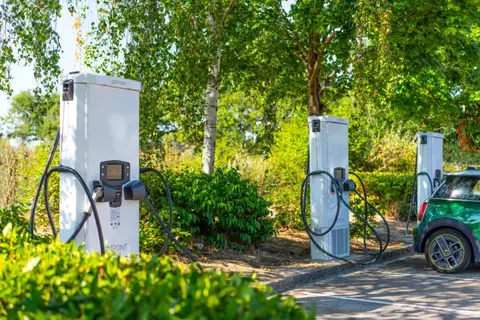
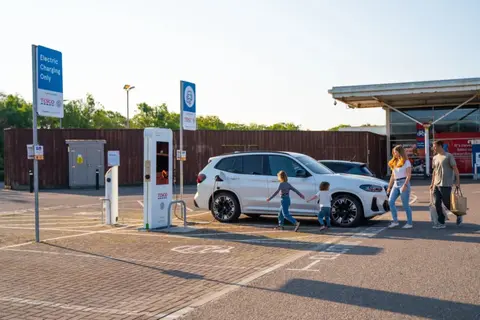
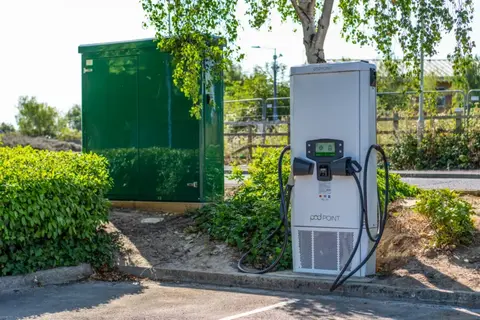
DC fast charging is a charging method that tops EV batteries up quickly, some in as little as 30 minutes. Unlike AC charging, which is slower and commonly used for overnight charging at home, DC fast charging is designed for short charging stops, making it an ideal option for long road trips.

While DC fast charging can be convenient, it comes at a price. This type of charger typically costs more to use than slower AC chargers, as it’s typically larger, much more complex, and requires a high power connection to the energy grid. Plus, frequent fast charging is not recommended because the higher current puts more stress on electric car batteries, negatively affecting battery performance and durability. It also puts increased demand on the electricity grid, which can result in higher carbon emissions.

So, if you can, use AC charging for your day-to-day needs and save DC charging for long road trips or emergencies.

#heading3
The pros and cons of DC fast charging
H2

DC fast charging has its pros and cons. Here are some of the key points you should know:

Pros:

  • Speed: Less time waiting around, so you can get moving quicker.

  • Convenience: In places where drivers are looking for a short pit-stop.

  • Short waits: Minimal disruption to your day.

Cons:

  • Cost: More expensive to use than AC chargers.

  • Compatibility: Not every EV can use fast charging.

  • Environmental impact: Increased power demand can lead to higher carbon emissions.

  • Limited availability: Less common in remote areas.

  • Battery degradation: Potential negative impact on battery health.

#heading4
What is the difference between AC and DC charging?
H2

The key difference is that DC is faster than AC charging. When using direct current, energy can be stored in the battery without being converted, which makes the process more efficient and saves time.

However, to store energy from alternating current, an onboard charger in the EV has to convert it first, which leads to longer charging times.

#heading5
Can every EV use DC fast charging?
H2

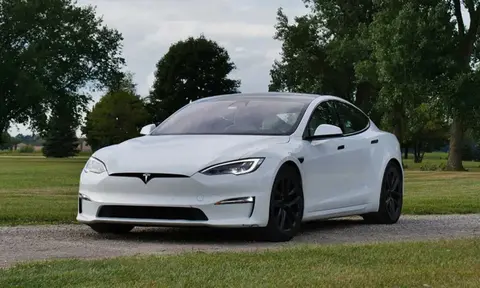
Compatibility depends on your battery system, so not every EV is able to use DC fast charging. Some popular EV models that support DC fast charging include the Tesla Model 3, Kia e-Niro and Volkswagen ID.3.

The best way to find out if your electric vehicle is compatible is to consult the manual or check our electric vehicle guides to find information about your model and make.

#heading6
What factors impact the rate of DC charging?
H2

A variety of external and technology-related factors can impact the rate at which DC charging is performed. You’ll want to consider these next time you’re low on charge and plan to top up using a DC charger:

Temperature

If it’s extremely cold or hot, you may find that charging takes longer than usual because every EV battery has an optimal operating temperature. When temperatures fall outside this range, charging may be slower.

Power rating

Not all DC fast chargers are made equally. Power ratings can vary, from 24kW at the lower end to 350kW at the top of the range. Any charger with a power rating higher than 43kW is typically classed as a rapid charger. The higher the power rating, the faster your electric vehicle will charge, as long as it is compatible with the given kW rating.

State of Charge (SoS)

This is how much charge is left in your EV battery, usually displayed in percentages. A battery that has little energy left will charge faster than a battery that is almost full. DC chargers work fastest between 20% to 80% SoS. Outside this range, DC fast charging rates may be lower.

Busyness

A busy charging station, used by multiple EVs at the same time, will charge your car more slowly. The reason for this is how the power supply is set up. DC fast chargers, and any other chargers, are likely connected to the same electricity supply. If demand is higher, every charger connected to the same source will slow down.

#heading7
Use DC fast charging to your advantage
H2

Now you know how DC fast charging works, you’ll be able to make the most of this option. The speed and convenient location of these chargers is ideal for a quick top up while on the road. Fast charging is best reserved for occasional use, as this way you’ll avoid higher charging costs and preserve your battery health for longer.

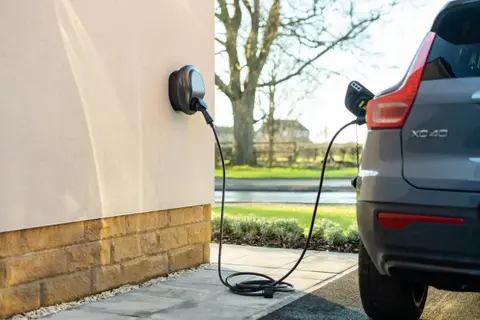
If you have access to an AC charger, whether that’s on your drive at home or in a local overnight car park, it’s still the best option to recharge your EV battery on a day-to-day basis. Leave it plugged in while you rest, this way you’re charged and ready to go when you need it.

Article read time
5 min read
H6
Summary
H2

Direct current (DC) charging is faster and more efficient than alternating current (AC) charging, which is why rapid chargers use DC.

While DC fast chargers cost more than slower charging options, they are usually found along motorways or in cities, making them a convenient choice for quick charging stops.
H6
Off

Member for

9 months 4 weeks
On
Image
CRS08354
Categories

A guide covering the different types of electric vehicle connectors and charging speeds.

#heading1
Vehicle side EV connector types
H2

Electric car charging sockets plug into your vehicle and can be thought of the same as the phone-side charging connectors on your Apple or Android phone charging cable. Depending on which phone/car you have, different connectors will fit into your phone/car socket.

Image
ev-connector-type
Image
ev-connector-type2

Slow & Fast Charging

Alternating Current (AC)

Typically used for top-up charging at home, work and destinations, there are two types of AC vehicle-side connectors.

AC connector type Typical Power Ratings Approx range per hour charging** Features
Type 1


3.6kW

7.4kW
12.5 miles

25 miles
  • 5-pins
  • Standard US connector
  • No locking mechanism
  • Single phase only
Type 2


3.6kW

7.4kW

22kW (three-phase)*
12.5 miles

25 miles

75 miles
  • 7-pins
  • Standard EU connector
  • Inbuilt locking mechanism
  • Can carry three phase power

* Some models of Renault Zoe can draw 43kW, giving 145 miles of range per hour (for the Zoe, 43kW is classed as an en route rapid charger).

** Assumes 60kWh full battery electric vehicle (BEV) with a range of 200 miles.

Image
Smart Charge

Tip: Three-phase power is relatively rare in the UK. There are almost no three-phase power systems in homes, but there are some in a few larger commercial buildings. Most public chargepoints are single-phase 7kW devices.

#F2F5CF
#000000
#heading2
What are Type 1 and Type 2 EV chargers?
H2

Type 1 and Type 2 refer to different connectors found on EV charging cables. A Type 2 connector has 7 pins, can carry three-phase power and is widely used for electric cars across the EU. This connector comes with an in-built locking mechanism, so no one can easily remove or tamper with your charging cable without your permission.

A Type 1 connector is the standard plug used for EV charging cables in the US. It’s different to a Type 2 connector with its 5 pins, no locking mechanism and ability to carry single phase power only.

Type 2 sockets are universally found on untethered home and public chargepoints. So, unless your EV has a Type 1 connector socket on the vehicle side, a charging cable with Type 2 connectors on both ends is likely the most suitable option for you.

At Pod Point you can get a home charger, including installation, installed in as little as 2 hours from £999. Find out more.

#F2F5CF
#000000
#heading3
Rapid Charging
H3
Image
Custodian-Capital-Low-res-18_2022-09-23-134927

Direct Current (DC)

Typically used for en route rapid charging, there are three types of DC car-side connectors. Most DC rapid charging stations will have cables with both a CHAdeMO and CCS connector attached so you will just have to choose which fits to your vehicle socket. To protect the battery, rapid chargers do not consistently charge at their maximum power rating.

DC connector type Typical Power Ratings Approx range per 30 mins charging* Features
CHAdeMO
 
 
50kW
100kW
75 miles
150 miles
  • Original DC connector

Combined Charging System (CCS) 


50kW
150kW**
350kW***
75 miles
225 miles
525 miles
  • High power
  • Neat arrangement with 2 x 'Type 2' pins
  • Standard EU rapid charging connector
Type 2 
 
150kW
250kW****
225 miles
375 miles
  • Only Tesla Superchargers provide DC via a Type 2 connector
     

* Assumes 60kWh full battery electric vehicle (BEV) with a range of 200 miles.

** 150kW CCS rapid chargers will become very common, but across the UK most are still just 50kW.

*** A handful of 350kW CCS chargers exist, however it is not yet common place.

**** 250kW Tesla Superchargers are starting to be rolled out.

Image
Smart Charge

Tip: You can find out your car's AC and DC sockets and maximum charging rates in our vehicle guides.

#F2F5CF
#000000
#heading4
Chargepoint side electric car connector types
H2

Typically used for top-up charging at home, work and destinations, there is really only one kind of chargepoint socket, though some might occasionally use a traditional 3-pin plug to charge from a wall socket as an emergency backup.

The Type 2 chargepoint socket is universal, and can be thought of in a similar way to the wall socket for charging iPhones or Android phones (i.e. the socket is the same for each, but the cable is specific to the car/phone type).
 

Slow & Fast Chargers

Alternating Current (AC)

The “Type 2” socket is the Europe-wide, universal socket for charging electric cars. You can charge any type of car from it, so long as you have the appropriate charging cable for your car - much the same as charging Apple or Android phones from a wall socket.

AC connector type Typical Power Ratings Approx. range per hour charging* Features
Type 2


7.4kW (single-phase)
22kW (three-phase)
25 miles
75 miles
  • Universal connector that fits to all standard chargepoint sockets
  • Driver brings correct cable with them
  • Similar to wall plug for smart phone charging
3-pin plug 2.3kW 8 miles
  • Slow charging
  • Not best practice
  • Should only be used in an emergency

* Assumes 60kWh battery electric vehicle (BEV).


Rapid Chargers

Direct Current (DC)

Most DC units have tethered cables with both CHAdeMO and CCS connectors that match the car-side sockets, so there are no chargepoint-side DC sockets. 


Which is the Most Popular EV Connector Type?

Type 2 is the EU standard for home charging, making this the safest, and most cost-efficient way to charge your vehicle. In the public charging domain however, you are likely to run into different connector types, such as CHAdeMO and CCS.

Article read time
6 min read
H6
EV charger types
H2

Similar to phone charging cables, car charging cables tend to have two connectors, one that plugs into the vehicle socket and the other into the chargepoint itself.

The type of connector you need varies by vehicle and the power rating ("speed") of the chargepoint.*

  • Electric vehicles either have a Type 1 or Type 2 socket for slow/fast charging and CHAdeMO or CCS for DC rapid charging.**
  • Most slow/fast chargepoints have a Type 2 socket. Occasionally they will have a cable attached instead. All DC rapid charging stations have a cable attached with mostly a CHAdeMO and a CCS connector.
  • Most EV drivers purchase a portable charging cable that matches their vehicle’s Type 1 or Type 2 socket so that they can charge on public networks.

* This guide is based on the UK and may not include complete information for all countries. 
** With the exception of Tesla Model X and Model S vehicles to date, which use Type 2 connectors for DC rapids. Adapters that allow to charge these Tesla models via CHAdeMO or CCS connectors are available.

H6
Off

Member for

9 months 4 weeks
On
Image
Velocity-charger-image-Low-res-23

A guide to the etiquette around the use of public and workplace EV charging points.

#heading1
The Golden Rule of EV Charging Etiquette
H2
Image
Smart Charge

Electric vehicle charging points are for charging plug-in vehicles only

#F2F5CF
#000000
#heading2
H2

A seemingly obvious statement, but there are two parts:

1. Plug-in vehicles only!

Unless your car can make use of a charging point then this bay is not for you. Parking an “Internal Combustion Engined” (ICE) car in a charging bay is known as “ICE'ing”. It will win no one any friends, nor admiration.

2. Charging only!

Even if it is a preferable space, you should only park in the bay by the EV chargepoint if you are going to charge!

When you are at a public chargepoint it’s also considerate to move once you have completed charging to allow another driver use of the chargepoint.

Of course there are some chargepoints where this isn’t possible, e.g. at airports or train stations - so use your initiative.

Image
Smart Charge

Tip: You often don’t need to charge to 100% before moving. It is likely you can continue your journey with less, so consider moving once you have got to what you consider an appropriate threshold. However, someone using a top-up AC chargepoint to charge their car is never wrong - that is what the charger is for. If other drivers need to charge too then the solution is to get more chargepoints!

#heading3
H2
Image
Rapid-charger-header

Rapid charging

#heading4
Rapid charging etiquette
H2

1. Do not block the bay with an internal combustion engine vehicle.

This is the equivalent to finding you are blocked from entering a petrol station you really need by someone parking across the only available entrance. The rage is palpable.

2. Don’t use a rapid charger if your plug-in vehicle can’t rapid charge.

Some rapid chargers have AC sockets which some EVs that can’t rapid charge can technically top-up charge on.

Most PHEVs (and some BEVs) can only charge at the slower AC charging rates. If not an emergency for a BEV driver, they should avoid rapid chargers while PHEV drivers should do the same, as they can continue travelling using fossil fuel by virtue of being a PHEV.

It is not an appropriate use of a rapid charger to charge at 3.6kW or 7kW, potentially for hours, blocking a BEV who needs to use it for their onward journey.

3. As soon as you have charged as much as you need, unplug and vacate the bay straight away.

The rapid charger is not for parking at. It’s for charging and moving on from. This is one of the reasons for The Rapid Charge Paradox (“The faster the charger, the longer you spend watching your car charge”) - you can’t go far from a rapid charger while using it. While inconvenient this is about being considerate to other users. And increasingly drivers who leave their car charged and plugged in will be hit with “idle fees” for overstaying.

Image
Smart Charge

Tip: Not only is it kind to head off before your car has rapid charged to 100%, it is an efficient use of time. The last 10% of your battery typically charges quite slowly, so it is quicker to get going when you reach circa 85% either to charge at the next en route rapid charger, or, better still, to charge at your destination.

#F2F5CF
#000000
#heading5
The 5 Chargepoint Commandments
H2
  • Thou shalt not ICE.
  • Thou shalt not park in a charging bay, unless to use the chargepoint.
  • Thou shalt not unplug thy neighbour.
  • Thou shalt leave the rapid charger as soon as you have finished charging for your onward journey.
  • Thou shalt not covet the (appropriately used) charger of thy neighbour.


Can someone unplug my electric car?

Unplugging someone’s car is usually impossible in practice, there are locking mechanisms in the car-side Type 2 socket and some Type 1 sockets. However, some Type 1 cars can still be unplugged by a 3rd party.

While it’s not illegal for someone to unplug your electric car without your consent, it’s bad EV charging etiquette. As long as you vacate your spot once you’re done charging, this shouldn’t be an issue.

Image
Workplace-header-V4

Workplace charging

#heading6
Workplace charging pointers
H2

You are unlikely to need the charger for the whole day, but depending on your job/how busy your day is, it can be tricky to move. Thus:

  • Try to move if there’s demand from other drivers - maybe leave a note with your number?
  • Don’t get too grumpy with colleagues if they can’t move.
  • Get more chargepoints installed!

If you have any further queries then we recommend speaking to our Workplace team or checking out our Workplace EV charging solutions page.

Image
Smart Charge

Tip: Workplace charging is an absolutely critical part of the charging ecosystem, and a great opportunity to charge, particularly for those without home charging. There is also a Workplace Charging Scheme grant available for businesses, which reduces the cost of chargepoints.

#F2F5CF
#000000
#heading7
General etiquette tips
H2

Some basic etiquette makes everyone’s lives easier, so here are our top chargepoint pointers:

  • It is better to be philosophical about other people abusing the commandments. You will quickly forget about the annoyance. You will not soon forget about a conviction for criminal damage.
  • Try to match rapid charge events with similar length activities - coffee in a local café, a similarly timed walk, use of facilities. Watching your car charge is no one’s idea of fun.
  • Try not to use the last possible en route rapid charger, ideally use the one before the penultimate. This gives you a safety buffer should it be occupied or out of service, as you have two more to try ahead of you.
  • Try to get into the habit of topping up at your destination whenever you can. Whilst this feels alien for those used to refuelling, it reduces your reliance on (usually) expensive and inconvenient rapid charging and means charging happens when you are busy doing other things, thus minimising your time spent waiting to effectively nil.


Can I sit in my car while charging?

Yes, you can sit in your electric car while charging as long as you leave your bay once you’re done. Although some have previously raised concerns over the possibility of EV charger current interfering with certain medical devices in human bodies, a study published in the journal of the European Society of Cardiology found no proof of this. 

So whether you’ve such a device, like a pacemaker or defibrillator, or not, sitting in your car while charging is generally safe.


What is ICing in EV charging?

It’s the act of parking an internal combustion engine (ICE) vehicle in a bay designated for EV charging. ICE cars don’t need and can’t make use of charging locations, so when they occupy a charging bay, an electric car that might need to top up can’t use it.

It’s frustrating for EV drivers, especially as chargepoints are usually far outnumbered by regular parking spots in supermarket car parks and parking garages.

Image
Smart Charge

Tip: In order to make your displeasure with ICEing known we suggest you contact the business/site hosting the chargepoint to ask for enforcement of the bays.

Through projects like EV Zones, Pod Point are working hard on installation design and encouraging enforcement where we can, but support from EV drivers is welcome!

#F2F5CF
#000000
Article read time
7 min read
H6
Summary
H2

It is important to be considerate when charging your EV so that you don’t inadvertently prevent other drivers from charging when they need to. We’ve pulled together the key areas of charging etiquette that you should be aware of:

  • The Golden Rule of EV Charging Etiquette
  • Rapid charging etiquette
  • The 5 Chargepoint Commandments
  • Workplace charging etiquette
  • General etiquette tips
H2
Off

Member for

9 months 4 weeks
On
Image
CRS04601
Categories

A guide offering advice on which cable you need and things to consider when buying a charging cable for your electric car.

#heading1
When will you need a separate charging cable?
H2

You'll need to use a charging cable if you want to charge from a chargepoint (or socket) that doesn't have a cable attached. Typically, this will be the case when using AC chargepoints on public networks or home chargers that have universal sockets.

While you will generally get a lot of use out of a charging cable, in some situations it won’t be required because the chargepoint will already have a cable attached.

For example, you can choose to get a tethered chargepoint installed at home while rapid chargers, and a handful of public AC chargers, also have tethered cables attached.


Socket type Where to find When to use
3-pin plug


Traditional domestic socket. Can do the job in an emergency - albeit slowly. But not best practice to use long term as they are not designed to handle charging loads for extended periods.
Type 2


Standard AC charging socket, found in public charging points and non-tethered home chargers. These sockets are perfect for the job of charging cars, use them as often as you can.


Find out more about the different socket and EV connector types.

Image
Smart Charge

Tip: Your car will almost certainly come with a charging cable. However, some only offer cables that work with domestic 3-pin plugs. We recommend you check with whoever you are buying/leasing your electric car from that a Type 2 charging cable will be provided.

If you don’t have one or want a spare, you can order one from Pod Point when purchasing a home charger.

#F2F5CF
#000000
#heading2
How to choose a charging cable?
H2

EV charging cables connect to the chargepoint socket on one side and to the vehicle socket on the other side.

Image
ev-connector-type

If you need a charging cable, then you will want one with a Type 2 connector. The process for selecting a public cable goes as follows:
 

  1. Pick the right connector for your carCheck whether your car is Type 1 or Type 2 using our car guides. You will always want a universal Type 2 charger plug connector.
  2. Choose an appropriate length cable - We recommend 5m as a good compromise between ease of use and ease of storage, but you can get shorter cables (easier to store), or longer cables (offer more reach).
  3. Pick a suitable current rating for your car - You at least want one that matches your max AC charge rate (16A = ~3.6kW, 32A = ~7.4kW for single phase), but getting a higher rated cable means you would be able to charge another car at the higher rate, so may be more future proofed.
Image
Smart Charge

Tip: For public chargers to remain safe and in service, it's important to only use approved charging equipment. Adapters and "smart cables" currently on the market shouldn't be used for public charging as they pose a safety hazard and could damage the chargepoints.

#F2F5CF
#000000
#heading3
H2
Image
Tesco
#heading4
Choosing a charging cable examples
H2
Car Car-side connector Cable length requirement Max car current rating Single/three-phase? Cable choice
2018 Jaguar I-PACE
 
Type 2 Long 32A Three-phase - Type2-Type2
- 7.5m
- 32A
- 22kW*
2018 Mitsubishi Outlander Type 1 Normal 16A Single-phase - Type1-Type2
- 5m
- 16A*
- 3.6kW*
2015 Nissan LEAF Type 1 Very long 32A Single-phase - Type1-Type2
- 10m
- 32A
- 7.4kW
2022 MG ZS EV Type 2
 
Normal 32A Single-phase - Type2-Type2
- 5m
- 32A
- 7.4kW
 

* Though the Mitsubishi Outlander can only draw 16A, getting a 32A, 7.4kW cable would be recommended should you be likely to use this cable for any other electric car in future

Image
Smart Charge

Tip: Check our vehicle guides to see your car’s max charging rate.

If your car can draw three-phase electricity, we recommend spending a little extra and getting a three-phase cable. While you are unlikely to have three-phase power at home, you never know when you might find a three-phase charging point and the additional charge rate is always a bonus.

#F2F5CF
#000000
#heading5
What is the best length EV charging cable?
H2

This will depend on your typical use as an EV driver. If you’ll need a cable to reach your chargepoint from a wider distance, a longer cable will be best for you. But if you don’t want your cable to take up too much space and are usually able to park next to your charger, a short cable will work fine.

For a compact solution that maximises usability, we like to recommend a cable length of 5m.

#heading6
Which cable is best for fast charging?
H2

A cable with a current rating of 32A is best for fast charging. This type of cable will charge your electric car faster than a 16A cable, but it’s thicker and heavier to facilitate the higher current.

If you’re looking to use a rapid charger, you won’t need a separate cable as this type of chargepoint is fitted with a tethered cable.

#heading7
Are all EV charging cables the same?
H2

EV charging cables are not all the same and come in different variations. With a connector on each end, the side inserted into the chargepoint socket should always be a Type 2 connector. On the other end, going into the vehicle socket is either a Type 1 or Type 2 connector.

Electric car charging cables can also have different current ratings. Your cable should match the car’s maximum AC charge rate or be higher. Plus, cables can vary in length, with longer cables offering more reach and shorter cables being easier to store.
 

Tethered vs untethered ev charger

There isn't necessarily a correct option to go for, generally a tethered charger is more practical, with a longer cable being offered and ensuring that it is always available. Untethered chargers on the other hand are the more flexible of the two options, allowing you to take the cable with you, if you're willing to sacrifice a bit of cable length. 
 

Some key things to consider before making your choice are;

  • Convenience
  • Cable length
  • Cost
  • How often you plug in and need to charge
Article read time
6 min read
H6
Summary
H2

You’ll need a charging cable to plug into most public chargepoints, and at home if you choose a charger without a tethered cable. This guide is to help you pick which charging cable you need.
 

  • Your plug-in vehicle will have either a type 1 or type 2 AC socket, so you'll need to make sure your charging cable has the equivalent connector.
  • Your charging cable will enable you to charge from untethered home chargers, workplace chargers and public charging points, the majority of which require you to bring your own cable*.
  • Rapid chargers (and a few public AC chargers) have “tethered” cables meaning you do not need to use an additional cable.
  • EV cables vary in length, current rating (usually 16A or 32A) and can carry single or three-phase electricity.

* Please be aware that smart charging cables and adapters aren't permitted on the Pod Point Network.

H2
Off

Member for

9 months 4 weeks
On
Image
Tesco-Braunton-Low-Res-3

A guide that covers how you can still drive a full battery EV (BEV) even if you can’t have a home charger.

#heading1
The charging ecosystem
H2

It’s most convenient to charge an electric car where it is parked anyway (which is about 95% of the time) using chargepoints installed at the locations you regularly visit. 

For most people that means home, then work, then your other destinations - while those journeys beyond the range of your battery will require less frequent use of high-powered en route chargers.

Image
Eco-System-2021-Solo-3

Home charging is where most charging occurs because it’s so convenient. However, not everyone has suitable off street parking at home that allows them to have a home charger.

Image
Home-install-2021-Solo3

Do not write off getting an EV because you can’t get a home charger, we just need to look elsewhere in the charging ecosystem.

#heading2
Workplace charging
H2

Many people use their car to get to work and park at their workplace for a good many hours, as such workplace charging offers a huge opportunity. 

With most commuters driving less than 30 miles to work and BEVs increasingly having real ranges of more than 200 miles, workplace charging makes owning a BEV easy, particularly when coupled with the use of the public network for top up, as required. 

Some modal interchanges (e.g. rail station car parks) can also fulfil the Workplace role.

Image
Smart Charge

Tip: The government WCS grant allows businesses to reduce the cost of Workplace chargepoints by up to £14,000. If you want your employer to offer chargepoints at work, the best thing you can do is ask them to contact our team to discuss options.

#F2F5CF
#000000
#heading3
Destination top-up charging
H2

If you don’t have a regular charging spot at home or work, you can always top-up at your other destinations when you’re out and about. 

Pod Point is one of the companies working hard to build the public network so that there is an easy to use chargepoint everywhere you park. 

There is still a way to go until there are enough chargepoints that mean you have enough top up charging opportunities to cover all but your infrequent long journeys - but we will get there.

Image
Smart Charge

Tip: The public network that can sustain those with no home or work charging is likely to develop as a result of the majority of BEV drivers who can charge at home/work demanding more public charging opportunities.

#F2F5CF
#000000
#heading4
Destination long-stay charging
H2

The dwell time in some car parks is so long that it enables a substantial, or even complete charge of even the biggest batteries. 

Getting access to these locations can substitute having a home or workplace charger. As discussed, modal interchanges like train stations, but also airports, can fulfil this role. Potentially some commercial car parks, that have low occupancy at times e.g. over night, may offer this facility to local drivers.

Image
Smart Charge

Tip: Offering car parking for long stay charging is a big commercial opportunity. Businesses can generate a return by selling the parking and ability to charge, but also by making their location a port of call at the start and end of each charge event.

For example, imagine a driver who’s been charging their EV overnight in a supermarket car park. When they return to collect it on the way to work in the morning, they may well buy their breakfast from the supermarket’s bakery.

#F2F5CF
#000000
#heading5
Rapid charging with charger as destination
H2

Driving to a high powered charger, for the purpose of putting energy into your battery is much like the refuelling model for cars with internal combustion engines. 

While detouring (e.g. once a week or so) to charge at rapid chargers benefits from familiarity to the ICE driver, it is not the most appealing option; it can be quite time consuming in both the extra detour and the wait for charging (beware the Rapid Charge Paradox, i.e. “The faster the charging point, the longer you spend watching your car charge”).

If you can twin the trip with something productive this can help, but it is tricky to get the timing right and it’s not considered good etiquette to occupy the charger after you are finished charging.

Perhaps we will develop facilities at these hubs that make the dwell time productive/enjoyable (or vice versa). However, scaling rapid charging is very costly, making charging costs likely to threaten/exceed the cost of petrol for the users.

Well placed rapid chargers are critical to EV uptake, but compared to inexpensively charging when you have left your car parked while you do something else, they are not an appealing way to do the bulk of your charging.

Image
Smart Charge

Tip: One concept of regular rapid charge usage that feels more friendly is to top up on the rapid charger just as long as you are using a convenience facility. For example, if you stop to get a sandwich, a drink and use the facilities on the way home, on a high powered charger you may get some 50-70 miles of range with no material wait time.

But higher infrastructure costs also mean this will be an expensive way to charge.

#F2F5CF
#000000
#heading6
Future gazing...
H2

While we believe anyone can drive a BEV if they so wish, some may currently need to suffer a degree of inconvenience to do so. But it won’t stay this way forever. Aside from a significant development of the charging network, what technologies are on the way that will help?

On-street charging

To date on-street charging is a mix of a handful of very expensive to install conventional chargepoints, that add to street clutter and some sockets added to existing lamp-posts that cleverly allow users to eke out a slow, but useful charge. Neither will scale to materially enable mass adoption.

We believe it is feasible for charging infrastructure to be installed into the street environment in an unobtrusive and cost effective manner. However, such systems will require sufficient demand and utilisation, and in order to get to this point, we need to see more EVs hit the market.

Autonomous features

When you can send your car somewhere without having to drive it, those without home chargers will be able to send their cars someplace to charge, thus giving a new utility to long-stay destination parking. However, those without off street parking are likely to be amongst the first to ditch their cars, opting instead for ride-hailing very inexpensive autonomous electric vehicles (AEVs) for their vehicular mobility needs. This will further reduce the scale of the challenge.

Image
Smart Charge

Tip: Providing the capacity to charge the AEVs (largely overnight during fleet redundancy) will be its own challenge, and some form of inductive or smart conductive charging will need to further develop. However, should Tesla’s approach of establishing a fleet of customer-owned AEVs take hold (and it has advantages), then the AEV fleet may be democratised and much of it still charged at home and work. Time will tell!

#F2F5CF
#000000
Article read time
6 min read
H6
Summary
H2

Sometimes it’s not possible to have a home charger installed where you park your car (eg. you don’t have off street parking). If that’s the case, it doesn’t have to be a deterrent to EV ownership. It’s still entirely possible to drive a full battery EV (BEV) by charging at other locations including:

  • At work.
  • At public destinations.
  • At rapid chargers.
  • Locations that don’t exist yet but might in the future.
H2
Off

Member for

9 months 4 weeks
On
Image
Charging-Cable
Categories

If the charging cable won’t come out of the charger, it’s important to not try and force it out or you may risk damaging the cable and/or the chargepoint.

#heading1
H2

The correct way to remove the charging cable is to unlock the vehicle first and remove the cable from the vehicle first, and then the chargepoint. If the cable isn't coming out of the vehicle, please make sure the doors of your vehicle are unlocked. We recommend pressing the lock unlock on the key fob five times, leaving it unlocked, and then attempting to remove it from the vehicle after these steps.
 

If the cable isn't coming out of the chargepoint, connect the cable back into the vehicle first, then repeat the same lock unlock process five times. After this, leave the car unlocked and attempt to remove the cable again, first from the vehicle, then the chargepoint.

If the cable is still stuck in the vehicle after following these steps, please refer to the vehicle's manual release procedure.

If the vehicle's manual release procedure doesn't work, please contact our customer services team and they will be happy to help.


#heading2
H2

For more information on Pod Point chargers and EV charging, subscribe to our Channel follow us on social media and find out more about our mission to make living with an electric car easy and affordable for everyone.

Article read time
1 min read
H6
#F2F5CF
#000000
H6
Off

Member for

9 months 4 weeks
On
Image
CRS09195

A guide to safely charging your EV in the rain using a home, public or workplace charger, or standard 3-pin plug socket.

#heading1
Can you charge an EV in the rain? Is it safe to do so?
H2

It’s no surprise people are concerned about water and electrical components coming into contact with each other, because it can cause a charger to short circuit or sustain other damage.

But don’t worry; EVs and domestic chargepoints are built to be weatherproof, meaning they’re water-resistant even when in use. This makes charging more accessible to people, because you don’t need shelter to charge in the rain. Your EV will be just fine plugged into a charger while parked on your drive or in a parking lot in wet conditions.

There’s one exception to the rule: adverse weather. If you’re experiencing unusually harsh conditions outside, like a heavy storm or high winds, it’s best to refrain from charging in the open. While EV chargers are typically fine in standard weather such as light to heavy rain, they’re not made to withstand extreme weather.

#heading2
Home charging your EV in the rain
H2

If you have a professionally fitted home charger, you can charge your EV outdoors come rain or shine. These types of domestic chargers can be fitted outdoors or indoors, think drive or garage, so are meant to handle a range of weather conditions without impacting the use of the device.

Having a weatherproof EV charger at home means your daily life won’t be disrupted because of some rain. You can continue to charge your electric car even if it’s wet outside.

#heading3
Public charging your EV in the rain
H2

Whether you have access to a charger at home or not, you may be using public charging from time to time. If you’re wondering whether public EV chargers are safe to use in the rain, we’ve got good news for you. Public chargers are generally made for outdoor use, so they can deal with a range of weather conditions.

Rapid, fast and slower destination chargers at public charging stations are all built to be weatherproof, especially as most of them are located out in the open. However, in the event of extreme weather like torrential rain and strong winds, it’s safer to wait and charge once the weather is back to normal.

#heading4
Workplace charging your EV in the rain
H2

Any workplace chargers located outdoors will be perfectly safe to use in all weather conditions. EV charging stations at your office will be water-resistant to ensure you can use them during rain, snow or sunshine.

Workplace EV chargers share the same high safety standards as their public and home charging counterparts. The use of protective components ensures no electric parts come into contact with water, keeping you and your EV safe from damage.

#heading5
3-pin charging your EV in the rain
H2

A standard 3-pin charger, so one that will be plugged into a traditional socket in or outside your home, is generally considered safe. The key concern with a 3-pin charger in rainy conditions is the chance that water can get into contact with the socket. That could be an outdoor socket or one inside if you’re draping the cable through an open window or door.

3-pin chargers should be used with caution during rain if you don’t have access to an alternative. Make sure the cable you use is water-resistant, and you check the plug and socket are dry before connecting them. This should reduce the chances of any issues.

#heading6
How can I make sure my charger is weatherproof?
H2

Professionally installed home chargers typically have weatherproofing built-in. They’ll come with high IP (Ingress Protection) ratings, which makes them ideal for outdoor use. The Pod Point Solo 3S charger has an IP rating of 54 and is incredibly resistant to rain and dust ingress.

For additional peace of mind, consider the location of your charger. If possible, opt for a spot that offers some protection from the elements like under a carport.

#heading7
What is an IP rating?
H2

An IP rating is a two-digit grading system that measures the level of protection surrounding electrical equipment. It’s a commonly recognised measurement for how resilient an EV charger is against the elements.

The first digital indicates the protection against solids like dust, and the second digital refers to protection from liquids like water. The higher the number, the better the protection. For an electric car charger, a high IP number guarantees a good level of safety and durability when exposed to conditions like rain.

Article read time
5 min read
H6
Summary
H2

The short answer is yes, charging your EV in the rain is safe. Rainy weather is a regular occurrence in the UK, so electric cars and chargers are made to withstand all normal weather conditions including rain.

H6
Off

Member for

9 months 4 weeks
On
Image
solar-hero-banner

A guide exploring the possibility of using a domestic solar system to charge an electric vehicle (EV) in cloudy conditions.

#heading1
Solar panels and cloudy conditions
H2

The UK weather can be unpredictable, with downpours and overcast days being a common occurrence. Investing in a domestic solar system allows you to generate your own green energy, but is it a worthwhile investment for EV drivers given the weather?

More than 1.3 million households in the UK already have a solar system, which is an increase of more than 150% in the last 10 years. It’s undeniable – consumer confidence in solar panels is growing, as demonstrated by the rising uptake. Considering we experience regular overcast weather, with regions in Scotland, Wales and Northern Ireland being some of the cloudiest in the country, it’s worth exploring whether a solar panel system can power an EV charger even on the dreariest of days.

#heading2
Can you use solar energy when it is cloudy?
H2

Yes, you can use solar energy when it’s cloudy, although the capacity to generate electricity will be reduced. When direct sunlight is covered by light clouds, solar panels produce around 24% less energy than they do on clear and sunny days, and around 67% less on very cloudy days. Still, that’s enough to generate some clean, renewable energy to charge your EV with solar power.

You can read more about using solar panels to charge an electric car in our guide.

#heading3
Can you generate solar energy in winter?
H2

Absolutely, you can generate solar energy in winter, just like any other time of the year. The only difference is the number of sunlight hours during the winter. Solar panels don’t work at night, because they need direct or indirect sunlight to make electricity. The sun is out for fewer hours in the winter months when compared to summer, meaning you simply have less opportunity to generate electricity.

Snowfall and rain are common in the winter months, and they can reduce the amount of electricity a solar system produces by up to 50%. On days with very heavy rain, the capacity to produce solar energy can be cut by up to 90%. However, in the UK, these conditions are not the norm and on most days, there is usually enough light to generate energy.

Domestic solar panel systems are made to withstand and work in harsh conditions. If it snows heavily, most snow will slide off panels thanks to the slight incline and residual heat they will have from operating.

#heading4
How to generate more solar energy
H2

Many modern solar panels are able to effectively convert sunlight into green energy even on a gloomy day, as long as the sun hasn’t set. If you choose solar panels with concentrated photovoltaic cells, you’ll be generating more solar energy than a lower rated panel of the same size.

While most domestic solar panels are one-sided and fixed in position, there are also systems that can adjust their position to maximise direct sunlight, therefore improving energy generation. Bifacial solar panels have photovoltaic cells on the front and back of each panel, meaning they absorb more direct and indirect arrays. Plus, solar panel systems with tracking are available to adjust the angle of panels and follow the sun’s trajectory for maximum light absorption throughout the day. These options come at an extra cost, which is something you should consider when comparing different options.

#heading5
What is a solar battery and how can I use one?
H2

Solar panels are an excellent source of renewable energy, but any unused electricity from a domestic solar system will usually go to waste or be fed into the grid without a storage battery. Normally, when solar power is produced, it becomes available and has to be used immediately. If your EV isn’t plugged in while the panels generate energy, a storage battery allows you to store the solar power until you need it.

Having a storage battery in addition to solar panels is especially useful for EV drivers, because you may be away from home throughout the day, i.e. most sunlight hours. The majority of electric car owners charge their vehicles at home overnight when solar panels don’t work. A storage battery can solve this timing issue by storing any solar power that went unused, so you can plug in and charge to your schedule.

Article read time
3 min read
H6
Summary
H2

Yes, solar panels still generate energy on a cloudy day, meaning you can charge your EV even when it’s overcast.

H6
Off

Member for

9 months 4 weeks
On
Image
tesla-model-s-lifestyle-image-2022
Categories

A guide explaining the compatibility of electric cars from other carmakers with the Tesla Supercharging and destination charging network.

#heading1
Can any EV use a Tesla charging station?
H2

Yes! Tesla’s charging network continues to grow with more than 40,000 destination chargers and faster 1,100 Superchargers available across the UK. While any EV fitted with a standard Type 2 connector has always been able to use the brand’s destination chargers, only Tesla EVs were able to use their Superchargers, until last year.

In May 2022, Tesla opened up 158 Superchargers across 15 charging stations for non-Tesla EVs. These all-EV Superchargers are compatible with electric cars that have a CCS connector, which is fitted in most modern EVs and allows you to charge your battery up to 200 miles in just 15 minutes. To control charging at a Tesla charging station, you’ll need to download the Tesla app.

#heading2
Compatibility of Tesla chargers with other EVs
H2

Can any EV use a Tesla Supercharger charging station?

Yes! Currently, non-Tesla EVs can access a portion of Tesla’s Supercharging network if they’re compatible, meaning they meet certain technical criteria:

  • CCS connector available

  • Rapid charge enabled up to 150/250kW

  • Access to the Tesla app on smartphone

There are a few EVs that meet these requirements but reportedly experience issues when using the higher output Tesla Superchargers including the Kia EV6 and Hyundai IONIQ 5.

Initially, Superchargers were only compatible with Tesla models, but the addition of the ‘Magic Dock’ adaptor to rapid chargers in 2022 finally allowed other EVs with CCS compatibility to use them. You’ll find the adaptor pre-fixed to Supercharging stations, meaning you don’t have to bring your own.

Tesla destination charger

To use one of Tesla’s destination chargers, drivers of EVs from other carmakers must have:

  • A vehicle-side Type 2 connector

  • Access to the Tesla app on smartphone

If you drive an older EV with a less common Type 1 connector, you’ll need to bring your own adaptor to convert the charger connector from Type 2 to Type 1.

#heading3
Tips for using Tesla chargers with non-Tesla EVs
H2
  • Download the Tesla app – Tesla charging stations have no display to allow users to control the charger locally. To access and manage charging, you’ll have to download the Tesla app to your smartphone.

  • Check Superchargers for compatibility* – Not all Tesla Superchargers are available to non-Tesla EVs. Use the app to check for nearby Supercharging stations that allow other electric cars to use them.

  • Compare unit prices – Unit (kW) prices for Superchargers can differ from station to station. If you have multiple Supercharging locations on your route, compare unit prices to find the best rate and save when charging.

  • Bring an adaptor – For EV drivers with Type 1 connectors, it’s essential to bring your own Type 2 to Type 1 connector when using destination chargers.

*Tesla charging station locations available to other EV drivers in the UK: Aviemore, Dundee, Belford, Manchester Trafford Centre, Aberystwyth, Flint Mountain, Thetford, Trumpington, Wyboston, Banbury, Thurrock, Uxbridge, Wokingham, and Folkestone Eurotunnel.

Article read time
3 min read
H6
Summary
H2

Electric cars with CCS connectors can use Tesla Superchargers. Electric vehicles (EVs) with Type 2 connectors can also use Tesla’s destination charger network. To access the brand’s charging stations, you’ll need access to the Tesla app.

H6
Off

Member for

9 months 4 weeks
On
Image
guides8 webp

A guide explaining the effects of fast charging on electric vehicle (EV) battery life and giving tips on how to extend it.

#heading1
Fast charging and battery life
H2

EV technology has come a long way, and with it, the way electric cars are “refuelled”. Fast charging has become a popular option, offering the convenience of charging EVs significantly faster and safer than a standard 3-pin socket.

But this convenience brings up an important question: Does fast charging reduce EV battery life? We’ll look into the effects of fast charging and other types of charging, and whether it poses any risks to the longevity of EV batteries.

#heading2
What is fast charging?
H2

Fast charging refers to chargepoints rated between 7kW and 22kW. This is typically found in homes, which provide the electricity via alternating current (AC). However, EV batteries only store direct current (DC) energy, so fast (i.e. AC) charging has to be converted via a converter in the car. It’s this extra step that makes AC fast charging slower than DC (i.e. rapid) charging.

Rapid chargers are growing in popularity, with more appearing in the public charging network every year, because they charge much faster. For example, a 22kw charger will recharge a 60kWh battery in around three hours while a 150kW rapid charger can do the same in just under 30 minutes.

However, the lightning-fast speed of rapid chargers comes at a premium, and they tend to cost more than other public or home charging options. Because of this, it’s recommended to use fast charging for your everyday needs and tap into rapid charging whenever you need to quickly recharge to continue a journey and time is of the essence.

Want to learn more about different charging types? View our guide on EV chargers, connectors and speeds.

#heading3
The effects of fast charging on EV batteries
H2

Fast charging of up to 22kW has no detrimental effect on EV batteries, given other good charging habits are followed. To maintain a healthy battery, keep your electric car between 20 and 80% and out of extremely cold or hot temperatures.

However, frequent use of faster rapid charging has been shown to slightly increase the rate of battery degradation. A study testing two Nissan Leafs showed that exclusive DC rapid charging increased the rate of degradation by 16% when compared to AC fast charging.

The high voltage and current in rapid charging subject EV batteries to increased strain. Over time, this can wear them down quicker than fast charging would. Degradation reduces the battery’s capacity to hold charge, meaning you will run out of power faster than you used to when the battery was new.

#heading4
Tips for preserving battery life while using rapid charging
H2

For EV owners looking to maximize the lifespan of their batteries while using rapid charging occasionally, here are some top tips to follow:

  • Monitor battery temperature – A high battery temperature strains the lithium-ion cells. The high voltage and current during rapid charging generate heat, which is normally controlled by the car’s battery management system. If this is faulty, you could see temperatures rise to detrimental levels, so it’s worth keeping an eye on it from time to time.

  • Priorities fast charging – Try to use fast charging as much as possible, like when parked at home overnight or at work. Reducing the frequency of rapid charging will help you maintain good battery health.

  • Don’t overcharge – Charge up to 80% and then unplug your EV. Once your battery hits this number, charging slows down significantly, which removes the key benefit of rapid charging – its speed. Constant charging above 80% can harm the health of the lithium-ion battery.

Article read time
4 min read
H6
Summary
H2

In short, fast charging (between 7kW to 22kW) doesn’t negatively impact EV battery life, but regular rapid charging does somewhat. It’s best to priorities fast charging for your everyday needs and save rapid charging for when it’s really needed.

Off