| Top Up Charging |
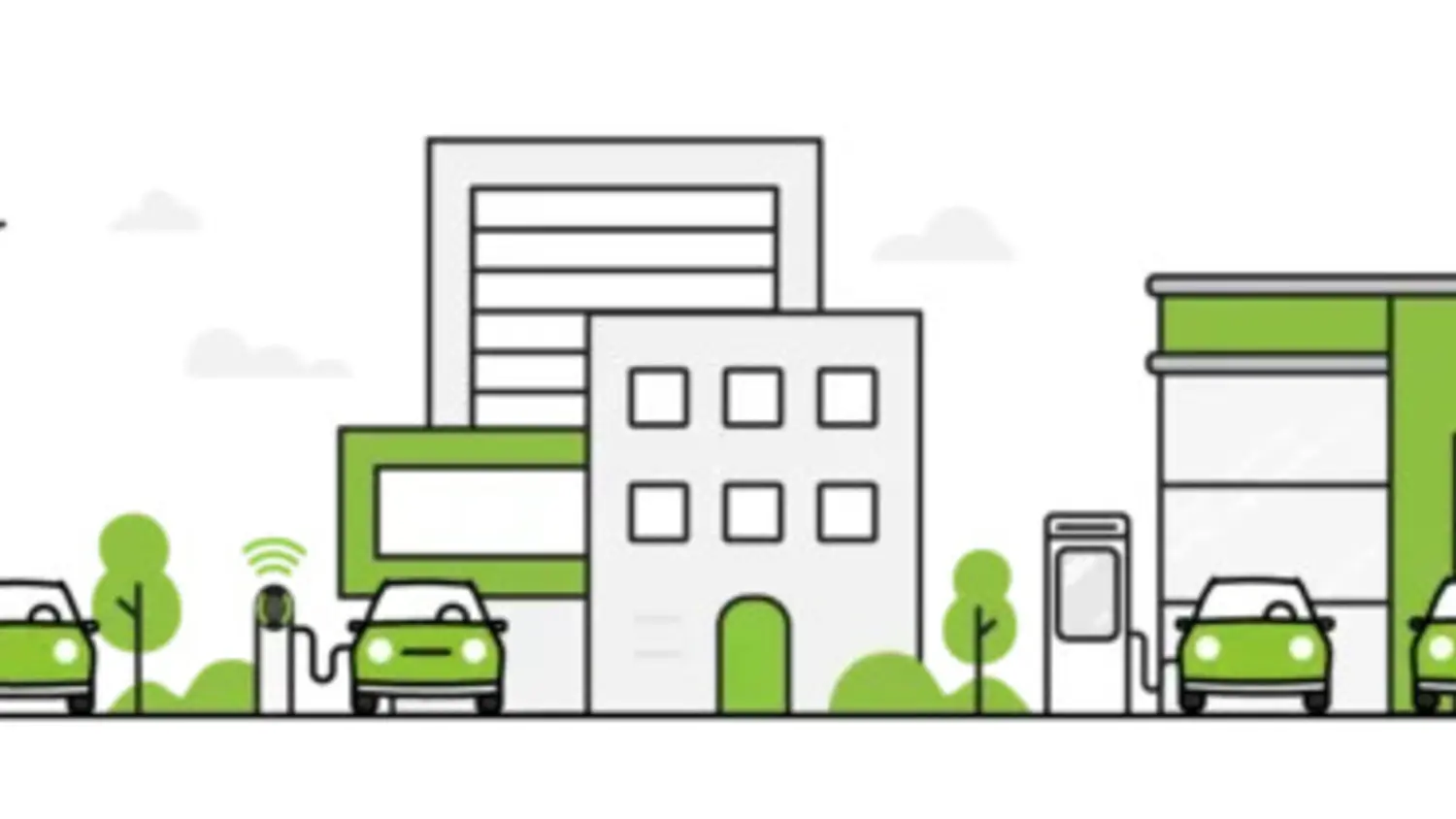
The practice of plugging in your electric vehicle whenever you park while out and about, making use of the time your car is not in use to add charge to your battery. This helps avoid range anxiety and means you will rarely find yourself waiting for your car to charge.
Public Pod Points are ideal for top up charging and can be found using our free app. |
| Home Charging |
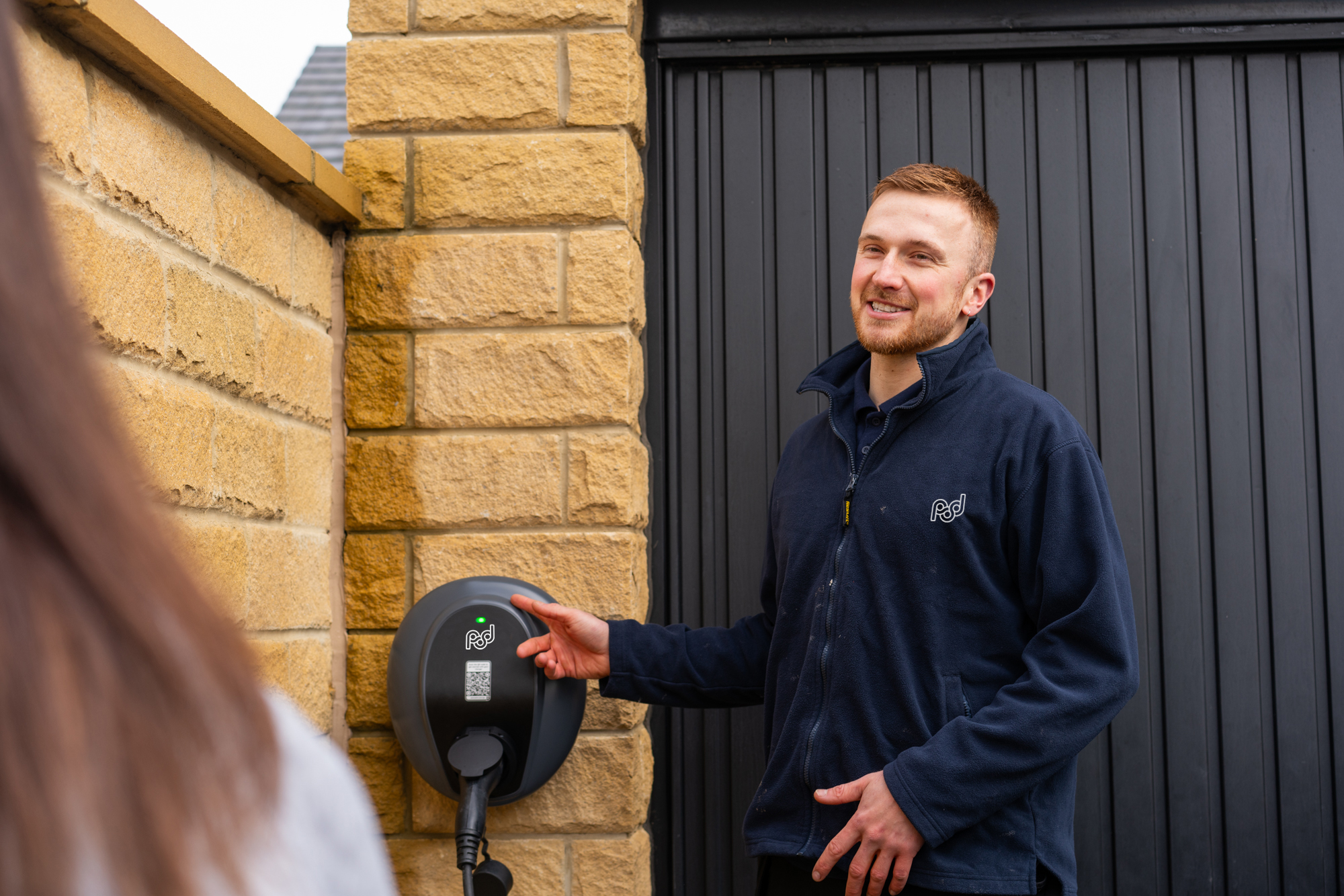
Plugging your electric car in to charge while it is parked at home, typically overnight. A dedicated home charging point is the best and safest way of doing this. |
| En-route Charging |
En route charging typically requires high powered rapid chargers, that put >100 miles into your electric car in the time it takes to grab a coffee, a snack and use the facilities. This enables you to take long-distance trips in your electric car, but is not needed day-to-day. |
| ICE'ing |
When a chargepoint is occupied by a vehicle with an internal combustion engine (ICE) , preventing an EV from charging. A polite note left on their windscreen with your phone number is generally the best response. |
| RFID Cards |
Using the same technology used in public transport travel cards, these cards are used by many older chargepoints to allow access to EV charging. Find out the pros and cons of this method on our How to Access Public Charging guide |
| The Pod Point Network |
On the Pod Point Network you can charge your EV without RFID cards or membership. Simply use the Pod Point app to find a chargepoint and start your charge. Alternatively, some Pod Point rapid chargers can be used with just the tap of your contactless bank card. |
| Contactless Payment |
Available on some rapid chargers, it is possible to start and pay for your charging session with the tap of your contactless credit/debit card. |
| Range Anxiety |
The term given to a fear of running out of charge while driving a plug-in electric vehicle. This fear can be avoided by top-up charging wherever you park throughout the day and en-route charging on longer journeys. |
| Range per hour (RPH) |
Miles of range per hour of charge. |
| Kilowatt hour (kWh) |
A unit of energy equivalent to the energy transferred in one hour by one thousand watts of power. Electric car batteries are typically measured in kilowatt hours. 1 kilowatt hour is typically 3-4 miles of range in a BEV. |
| Smart charging |
A catch-all term for a series of functions that a Wi-Fi connected chargepoint can perform. Typically this refers to things like load balancing, energy monitoring and “managed charging”, i.e. shifting charging periods away from periods of high grid demand and/or low grid supply and to periods of low grid demand and/or high grid supply. |
| Vehicle to Grid (V2G) |
The concept of using your electric car battery to release power back through the charger either for use in the local building or back into the grid at large during time of high grid demand. Find our thoughts on the Vehicle to Grid blog. |
| Single-phase Power |
Typically found in most UK homes and some businesses, this is what all standard 3 pin plug sockets provide. A single-phase electricity supply can power a dedicated chargepoint up to . |
| Three-phase Power |
Often found on commercial and industrial sites, this provides three alternating currents and allows for 22kW AC charging. Significant three-phase power availability is also a prerequisite for DC rapid charger installation. |
| The Rapid Charge Paradox |
The counter-intuitive realisation that it is only at the fastest chargers where EV drivers typically spend time waiting to charge. This is because most charging is done at slower chargepoints that charge the car while the driver is otherwise occupied. Find out more about EV Charging Etiquette on our guide. |
| Ultra Low Emission Zone (ULEZ) |
A ULEZ is predominantly about improving the air quality within the zone by discouraging those vehicles that produce more harmful emissions through an additional financial charge.The minimum emission standards are Petrol: Euro, Diesel: Euro 6. These standards are more stringent for diesel (due to higher air quality impact), but they are both met by all plug-in hybrid vehicles (PHEV) and, of course, all full battery electric vehicles (BEVs). |