Member for

9 months 4 weeks
On
Image
Plug-In-Grant-A-Complete-Guide
Categories

A complete guide that covers what the plug-in grant is and how it can reduce the cost of your electric vehicle.

#heading1
What is the plug-in vehicle grant?
H2

The government’s Office for Zero Emission Vehicles (OZEV) plug-in vehicle grant is designed to promote the uptake of electric vehicles in the UK.

The grant provides a discount on the purchase price of a brand new eligible plug-in van or motorcycle. Cars are no longer eligible. 
 

  • The electric vehicle subsidy in the UK is applied at the time of purchase and is usually given as a discount on the purchase price of a vehicle.
  • There are plug-in vehicle grants available for electric vans, trucks, motorcycles and mopeds.
Image
Smart Charge

Tip: The plug-in vehicle grant has been removed for cars and has gradually gotten less generous over the years. If you’re looking to get an eligible vehicle, it’s best to get it sooner rather than later.

#F2F5CF
#000000
#heading2
What does the plug-in grant offer drivers?
H2

The UK electric vehicle grant reduces the cost of new eligible electric vehicles. The amount of the grant varies by vehicle type:

  • Motorcycles and mopeds can get 35% off, up to a maximum of £500 (£150 for mopeds).
  • Vans can get up to 35% off, up to a maximum of £5,000 (£2,500 for small vans).
#heading3
How do I qualify for the plug-in grant?
H2

To qualify for the plug-in vehicle grant, you must be purchasing a brand new electric vehicle that depending on its category meets the following requirements:
 

Vehicle Category Electric Range Combined CO2 Emissions Maximum Price
Van* > 60 miles < 50 g/km N/A
Motorcycle > 31 miles 0 g/km < £10,000
Mopeds > 19 miles 0 g/km < £10,000

*Each business and organisation can claim a total of 1,000 grants per year. This limit resets every year on the 1st of April.

#heading4
Which vehicles are eligible for the plug-in grant?
H2

Click here to see a list of OZEV eligible vehicles.

#F2F5CF
#000000
#heading5
How do I claim the plug-in vehicle grant?
H2

The UK government electric vehicle grant is applied at the time of purchase and your manufacturer will usually handle the administrative leg work.

Article read time
3 min read
H6
Summary
H2

The UK plug-in vehicle grant is administered by the Office for Zero Emission Vehicles (OZEV). It is designed to encourage the uptake of electric vehicles in the UK by reducing the initial cost to drivers.

  • It offers up to £500 off the price of eligible motorcycles, £150 off eligible mopeds, and up to £5,000 off eligible vans (£2,500 for small vans).
  • It is only available on the greenest plug-in models.
  • The grant is typically applied for by the vehicle manufacturers on the customers behalf and acts as a straightforward discount to the list price.
  • The plug-in grant for cars ended on 14th June 2022.

Please Note: The PIG has been extended by 18 months due to supply issues impacting the vehicle industry. Crucially, this only applies to existing car orders placed by dealers and logged on the system between 14th June 2021 to 31st March 2023.
#F2F5CF
#000000
H6
Off

Member for

9 months 4 weeks
On
Image
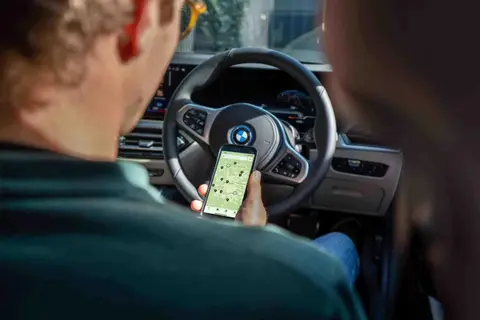
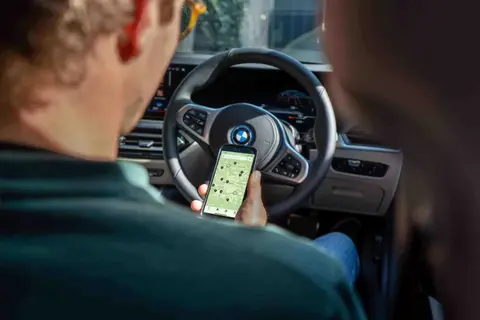
Solo-3-BMW-i4-App-IIIII-1

A guide answering common questions about electric vehicle (EV) charging habits.

#heading1
When is the best time to charge my EV at home?
H2

Maybe you recently invested in an EV charger like the Solo 3S or you’re considering purchasing and installing one at home to power your electric car. One of the first questions you’ll have is how often you may need to use your chargepoint and when the best time for charging might be.

Having a home charger means you could technically charge whenever you’re home. But is that ideal, and are there times that are better than others for charging? In this guide, we’ll answer these and other common questions to determine the best time to charge your EV at home.

#heading2
How often should I charge my EV?
H2

How often you charge your EV depends on your personal needs and preferences. Ideally, you should keep your battery between 20 and 80% to maintain good battery health and prolong battery life.

It’s also better to charge as little as possible, while keeping your battery above the recommended 20% and below 80%. Charging every day, when it’s not necessary, will degrade your battery faster.

To put this into context, if you drive the average weekly distance of 127 miles and have an EV that can do at least this in a single charge, you’ll only have to charge every few days, if not only once a week.

#heading3
When is the cheapest time to charge your electric car?
H2

If you’re on a dual-rate energy tariff with off-peak pricing, check your tariff conditions for the cheapest time to charge your electric car, as they can vary between providers. Off-peak hours are typically in the night and very early morning, between midnight and 7am, when people are less likely to use energy from the grid.

Scheduling your EV charger to use reduced, off-peak rates can seriously bring down the cost of owning and driving an electric car. Find out more about our exclusive dual-tariff with EDF that we offer to new Solo 3S home charger customers. 

#heading4
The best time to charge an EV? It’s up to you
H2

Ultimately, the best time to charge an EV depends on your circumstances and needs as a driver. Persistent myths and a lack of understanding around battery technology makes it difficult for EV drivers to find a straight answer at times.

Here are a few things to consider, so you can find the best time to charge your EV:

  • Battery health and efficiency – Keep your EV battery between 20 to 80%. Charging outside of this range can take longer, be less efficient and harm battery health in the long-term. If you absolutely need to, you can charge your electric car to 100% for occasional long journeys. Plus, slow charging is always better for your battery health than fast or rapid charging, so take that into consideration.

  • Dual-rate tariffs – If you have an energy tariff that is cheaper at off-peak times (often overnight), you should try to charge your EV during these times to maximise your savings.

  • Charger availability – Charging should suit your lifestyle. If you don’t have access to a charger at home, which allows you to charge a few times a week, you may have to use a destination charger on a daily basis to keep your battery topped up instead.

Maximising environmental benefits – Charging during times when fewer people are using energy from the grid can be better for the environment. You can also use the Grid CO2 Insights feature in the Pod Point App to see when the greenest time to charge is.

Article read time
4 min read
H6
Summary
H2

Unless you have a dual-rate tariff with cheaper rates at certain times of the day, there’s no time that is definitively best for charging your EV. You’ll need to find a time that works for you and your schedule.

H6
Off

Member for

9 months 4 weeks
On
Image
CRS09462
Categories

A complete guide about what the OZEV EV Chargepoint Grant is, how you can benefit from it, and how to claim up to £350 for a home charging point.

#heading1
H2

Note: As of 31st March, the previous OZEV Electric Vehicle Homecharge Scheme (EVHS) is no longer available to claim.

#000000
#heading2
How do I qualify for the OZEV Grant?
H2

The grant is available for:

  • Homeowners who live in flats.

  • People living in rental accommodation (flats and single-use properties).

To be eligible for the grant, you must:

  • Live in a rented property or own a flat.

  • Have dedicated off-street parking.

  • Own, lease or have use of an electric or plug-in hybrid vehicle eligible for the grant.

  • Not have already claimed the grant (either the EV chargepoint grant or the previous EVHS grant) for your EV.

Additionally, please note that you can no longer claim for 2 chargepoints if you own a second EV. 

See full qualifying criteria, including vehicle and property requirements, on the government website.

#heading3
Which vehicles are eligible for the OZEV Grant?
H2

Not all plug-in vehicles are eligible for the grant. All full battery electric vehicles are eligible, but plug-in hybrid vehicles must have CO2 emissions that are calculated to be under 50g/km.

See a list of OZEV eligible vehicles on the government website.

#heading4
How do I claim the OZEV Grant?
H2

Please note: you can only claim the grant before the installation of your home charger.

If you live in a rented house with dedicated off-street parking, all you have to do is answer a few simple questions and complete some documents with us while ordering your Solo charger.

Our team will then do the heavy lifting and claim the grant on your behalf.

If you live in a flat we need to assess whether you can have a charger connected to your flat’s electrical supply and meter, as you may be able to use the same checkout as those renting a house. However, for most people living in flats your charging unit will be connected to a communal supply and meter, in which case we request that you ask your property manager to get in touch with us about our Residential EV Charging Solution.

Please note, your landlord or property manager may also be able to claim an up to additional £500 per bay (up to 60 bays) towards the cost of installing infrastructure for you and your neighbours via the EV infrastructure grant for residential car parks. This grant will reduce the impact on your Service Charge budget and may help to convince your neighbours that EV infrastructure is a priority for your property.

Kickstart the conversation with your property manager.

Image
Smart Charge

Tip: Anyone renting, leasing or managing a residential or commercial property can now claim the EV chargepoint grant for landlords. This grant provides up to 75% of the cost towards the purchase and installation of a chargepoint socket, limited to £350 per grant.

#F2F5CF
#000000
#heading5
H2

Are OZEV Grants still available?

Yes, OZEV Grants are still available to eligible homeowners who live in flats and certain people living in rental housing. Some businesses and landlords/property managers looking to install EV infrastructure may also be eligible.

There is currently no known date for grant schemes offered by OZEV to end. For up-to-date information on each scheme, visit OZEV’s grant schemes overview.

#heading6
Additional grant in Scotland
H2

Through the Energy Saving Trust Scotland, the Scottish Government offered Scottish residents an additional grant of up to £300, on top of the OZEV grant (if eligible).

Note: the EST grant scheme is not currently taking applications.

Visit the Energy Saving Trust website for more information.

Funding was available to applicants, who:

Just as with the OZEV EV chargepoint grant, and in addition to it, Pod Point assists our Scottish customers to take advantage of this grant through the standard ordering process.

Image
Smart Charge

Tip: Save around £1,000 a year in fuel costs with a home charging point (instead of relying on public charging facilities).

#F2F5CF
#000000
Article read time
4 min read
H6
Summary
H2

In the context of home charging, the “OZEV Grant” refers to a government grant for electric car home chargers, provided by the Office for Zero Emission Vehicles (OZEV).

  • The OZEV EV chargepoint grant provides up to £350 off the cost of purchasing and installing a home charging point.

  • You can only claim one chargepoint per eligible vehicle and household.

  • The grant is available for people who live in a rented property or own a flat with dedicated off-street parking.

  • Your landlord or property manager may also be able to claim up to an additional £500 per bay (up to 60 bays) towards the cost of installing infrastructure for you and your neighbours via the EV infrastructure grant for residential car parks.

  • OZEV also offers grants for businesses to reduce the cost of installing EV infrastructure for staff and fleet parking.

H6
Off

Member for

9 months 4 weeks
On
Image
hyundai-ioniq5-lifestyle
Categories

A guide to the costs associated with running an electric car, covering charging, tax, maintenance, insurance and depreciation.

#heading1
Key costs of running an electric car
H2

For most people, cost will be a key consideration before purchasing a new car. If you’re thinking of getting an electric car for the first time, it’s even more important to understand what it costs to run an electric vehicle (EV).

We’ve carefully researched the main costs of running an electric car and broken them down for you here:

  • Charging in public vs at home

  • Road tax

  • Maintenance, servicing and repairs

  • Insurance

  • Depreciation

#heading2
Cost of charging an EV in public vs at home
H2

The cost of charging at home is always cheaper than using a public charger. That’s because you can switch to a low-cost energy tariff to maximise your savings at home.

Charging a typical EV with a 60kWh battery and ~200 mile range costs:

  • About £17 at home*.

  • About £26 in public (excluding rapid chargers)**.

* Costs calculated at 32p/kWh based on a usable battery of ~54kWh (90%).

** Costs calculated at an average rate of 48p/kWh as of May 2023, based on a usable battery of ~54kWh (90%).

If you have one of our home chargers, you can easily charge from empty to full overnight or whenever it’s convenient for you.

That said, using public charging is a great way to top up your battery on the go while you’re busy doing other things. You’ll find public EV chargers in most supermarket car parks, dotted throughout inner cities and in parking garages.

But while they’re convenient, public chargers are more expensive than charging at home. So use them as an addition to your home charging (if possible) to keep costs low.

Find a detailed breakdown of the cost of charging an electric car in our guide.

#heading3
Cost to tax an electric car
H2

Electric car drivers benefit from a special tax incentive that means they pay £0 road tax. They’re currently the only drivers who are exempt from the Vehicle Excise Duty (VED).

For electric cars registered from April 2017 onwards, the standard rate of tax is determined by the CO2 emissions of the vehicle. EVs have zero tailpipe emissions and fall into the lowest rate of road tax at £0.

Most hybrid and ICE cars pay rates ranging from £170 to £570 per year, excluding the first year rate.

Be aware, however, the government is introducing changes to road tax. From 1 April 2025, electric cars will lose the current tax benefit and be required to pay road tax for the first time.

Read about current road tax rates and upcoming changes in our guide.

#heading4
Cost to maintain an electric car
H2

Maintaining an electric car is on average cheaper than maintaining an ICE or hybrid car. EVs have fewer moving parts, meaning there’s less opportunity for components to fail.

Here’s what you can expect to pay for different electric car maintenance services and parts:

  • Full electric car service: avg. of £174.86 (12% less than a full service for petrol or diesel cars).

  • Tyres and brakes: avg. of £75 per tyre.

  • Wiper blades and washer fluid: less than £50.


It’s extremely unlikely that you’ll need to replace an EV battery. If that is ever the case, you can find the average cost of replacing an electric car battery and other maintenance costs in our guide.

In contrast, a petrol or diesel car relies on more mechanical parts and liquids that are needed for the engine to function, such as spark plugs and engine oil. This needs to be maintained as they wear down, which increases the cost of running an ICE car.

#heading5
Cost to insure an electric car
H2

The cost to insure an electric car can be higher than it would be for a petrol or diesel car of a similar make and model. There are a few reasons why insurers price EV policies higher.

It’s important to understand that vehicle insurance is a business of managing risk. Insurers put a higher cost on a policy if they consider the car to have an increased chance of being in an accident and/or be more expensive to repair. In the case of electric cars, sourcing parts may (for now, at least) be more expensive and require specialist mechanics to complete a repair.

Luckily, most mainstream insurance companies offer cover for electric cars. So you can compare using sites like MoneySuperMarket or Compare The Market to get the best deal.

#heading6
Electric car depreciation
H2

As the demand for electric cars continues to grow on the resale market, EV depreciation has become comparable to depreciation in ICE cars. Estimates vary, the reduction in value of a car from year 1 to 3 is commonly said to be around 15% to 35%. The AA puts depreciation after 3 years even higher at 60%.

How much an electric car depreciates depends on the condition it is, with mileage, battery capacity and wear and tear playing a role. Some manufacturers are more in demand than others which also affects depreciation. For example, Teslas continue to be popular and may retain a better resale value than other makes.

It’s fair to speculate that electric cars could depreciate at a slower rate than ICE cars in the coming years. With the ban of all petrol, diesel and hybrid cars in 2035 and the expansion of clean air zones across the UK, electric cars may be the only future-proof option going forward.

Article read time
5 min read
H6
Summary
H2

An electric car will cost you less to run than an internal combustion engine (ICE) or hybrid car. There are savings to be made in charging at home, cheaper servicing costs and a £0 rate of road tax.

H6
Off

Member for

9 months 4 weeks
On
Image
DJI_0325
Categories

Everything you need to know about EV energy tariffs to make savings when charging at home.

#heading1
Low-cost charging with EV energy tariffs
H2

Over the last few years, consumers have experienced record high inflation, leading to a rising cost of living including energy bills.

Constant increases to unit prices and standing charges will mean you pay more to charge your battery at home, but it doesn’t have to be this way. A number of energy providers offer EV energy tariffs to ease the cost of charging.

Switching to an EV energy tariff with special off-peak rates can give you peace of mind that driving electric continues to be a cost-effective way of travel.

#heading2
Are EV tariffs worth it?
H2

Absolutely! When you start charging your EV at home, your energy bills will increase as you shift your spending from petrol or diesel fuel to electricity. EV tariffs allow you to make significant savings when charging at off-peak times compared to a normal tariff.

The current energy price cap means some energy providers charge up to 28.17p per kWh of electricity. An EV tariff can cost as little as 8.49p per kWh during off-peak times – that’s a potential saving of up to 70%.

#heading3
What are the benefits of using an EV tariff?
H2

Save money on home charging costs

EV tariffs offer some of the lowest unit rates on the market. We’ve partnered with EDF to give new customers one of the best electricity tariffs for electric cars with a unit price from just 8.49p per kWh when you get one of our Solo 3S home chargers

Use renewable energy

The majority of EV tariffs available on the market use 100% renewable energy. This way you can power your electric car with green energy while saving money. A win-win!

Enjoy new customer perks

Some electric car charging tariffs have time-limited special offers for new customers, such as a set number of free miles, a reduced unit rate, membership to public charging networks and other interesting perks.

Put less pressure on the grid

Doing the bulk of your home charging during off-peak hours, so avoiding times when a lot of demand is put on the system, reduces the pressure on the grid.

To keep supply up during peak times, fossil fuel sources are often used to generate extra electricity, which isn’t particularly environmentally friendly. This makes off-peak charging even more sustainable.

#heading4
Is electricity cheaper if I have an EV tariff?
H2

Technically, electricity isn’t cheaper on an EV tariff, but you can shift the majority of your charging to times when demand is lower and you can buy energy at a reduced rate. This way, you have the opportunity to make substantial savings and bring the overall cost of your electricity down.

#heading5
How green are EV tariffs?
H2

Using EV tariffs as intended, during off-peak hours at night, is the most sustainable and green way to charge at home. When demand on the grid is high, it’s common that electricity production from fossil fuel sources is temporarily increased to plug the gap.

During off-peak hours, demand is low, so the grid is likely to have a higher proportion of renewable energy in its supply. This makes EV tariffs a green option for home charging.

#heading6
How can I switch my EV tariff?
H2

First off, you’ll need a smart meter to use an EV tariff. If you don’t have one, contact your current energy provider to install one for free.

A smart meter allows you to automatically send meter readings to your provider in intervals of 30 minutes.

Once that’s done, switching is very easy. Find the best energy provider for electric cars by comparing tariffs and reviews. Then, simply ask the provider to move you to the new EV tariff. They’ll handle the process and confirm once the switch is completed.

Make sure to regularly log into your customer portal to keep on top of your usage. To make the most of off-peak charging, plug your EV into your home charger and schedule it to work when electricity is cheapest for maximum savings.

Article read time
4 min read
H6
Summary:
H2

An electric vehicle (EV) energy tariff allows you to charge your electric car for a reduced unit rate at specific times of the day, typically for a few hours overnight. It’s a great option for people who can charge their vehicles at off-peak times.

H6
Off

Member for

9 months 4 weeks
On
Image
CRS09433

Electric cars are still a bit more expensive to buy than an internal combustion engine vehicle, but overall they require much less maintenance and cost less to service and maintain as a result.

#heading1
Electric drive trains are simpler, so EVs require less maintenance
H2

How difficult a machine is to maintain is usually directly proportional to its number of moving parts. The number of moving parts in an electric drivetrain is vastly lower than in an internal combustion engine and therefore maintenance is much easier. But there is also no metal on metal wear in the same way as, for example, a clutch system.

Of course, plug-in hybrid maintenance is more like conventional car maintenance, as they still have conventional components like exhausts, clutches, gear boxes etc.

We focus this guide on maintaining the pure electric cars.

Are electric cars cheaper to maintain?

Electric cars can be cheaper to maintain, especially as servicing tends to cost less on average when compared to an ICE car. In addition to saving on servicing costs, the lower cost of using electricity to power your car when charging at home can add up over time, increasing your savings even more.

While there are aspects of electric car ownership that are clearly cheaper costs associated with an ICE car, you can expect traditional car parts such as tyres and brake pads to cost roughly the same.

Image
Smart Charge

Tip: The maintenance costs for an EV will vary significantly by make and model of the vehicle. As such, this guide gives you pointers on how and where to find the outline costs of a maintenance item, rather than specifics.

#F2F5CF
#000000
#heading2
Battery repair/replacement
H2

Though manufacturers tend to offer compelling warranties (e.g. 8 year from Jaguar, Nissan, Renault and Tesla) on the longevity of EV batteries, battery degradation has been a big worry for many about electric cars. In particular, the fear that replacing the battery will be necessary and expensive.

While different car manufacturers are experiencing slightly varying results, overall evidence from the real world is that the rate of decay is much less than feared - and some manufacturers are now expecting their batteries to outlast the rest of the vehicle.

Below’s crowd-sourced data on Tesla’s battery degradation shows ~7% degradation after an incredible 250,000 miles.

Image
Electric-Car-Maintenance-Costs

Though it is rare, should you notice a significant depreciation in the range of your battery, it is possible that the battery pack is experiencing some undue decay. With most pure electric cars on the road today still in warranty, the first task is to contact the manufacturer who can look to service the battery.

Battery repair usually means replacing some sub-optimal cells, rather than the entire battery pack. So this can be thought of like a major engine repair in a conventionally fuelled car.

But we must stress - this is rare!

An estimate from Book My Garage puts the average EV battery replacement cost at £5,378.43. We want to be clear - this is only an estimate. Battery repair/replacement costs will vary between manufacturers and will almost certainly have to be undertaken by the manufacturer themselves. Therefore, in order to establish specific costs, we recommend contacting the EV manufacturer directly - and be sure to check to see if your issue is covered within the vehicle warranty.

Image
Smart Charge

Tip: To extend the battery life of your electric vehicle, try not to leave your car charged to 100%, unless you are about to set off on a long trip. Likewise try not to leave the battery nearly empty for long periods. Charging to 80 or 90% and topping up as soon as possible when you’re getting low is optimal.

#F2F5CF
#000000
#heading3
Tyres and brakes
H2

our electric car still has tyres and brakes and thus brake discs just like a petrol or diesel car.

Tyres

Pressure:

Tyres should be maintained at the recommended pressures (usually listed on a plate inside the door frame). You can do this with a pump at home or at a petrol station (where you can amuse yourself with the price of petrol). Tyres that are running under pressure can significantly reduce your car’s efficiency and thus reduce their range, while over-pressure tyres have reduced lifespan.

You can expect to budget anywhere between £45 for a budget tyre replacement to £220 for a top-end tyre. Replacement including labour for a mid-range tyre will set you back £75 (according to Checkatrade).
 

Wear:


Electric cars are generally heavier than their equivalent conventionally fuelled vehicles, this can lead to slightly accelerated tyre wear. Tyres should be regularly checked for wear and changed once they have worn down the tyre wear indicators.

Tyre prices vary according to their size and how common that size of wheel is. Generally, smaller, more common tyres are cheaper.

In order to get prices, establish the width of the tread that meets the road and the thickness (or profile) of the tyre between the wheel rim (both in mm) and the diameter of your EV’s wheels (in inches).

For example, a smaller Nissan LEAF wheel requires 205mm/55mm 16inch tyres. You can then use the size to search for quotes from tyre supply and/or fitting companies.

Image
Smart Charge

Tip: Your tyre tread should protrude no less than 1.6mm from the central ¾ of the tyre. To assess this, many tyres have tyre wear indicators in the grooves of the tyres.

Once the tread has reached the indicator level, it is time to replace them.

Alternatively, a quick check is to hold a 20p to the tyre. If the edge of the 20p is obscured by the tread, they are still legal, but if you can see the edge of the 20p, it’s time to change.

#F2F5CF
#000000
#heading4
Brakes
H2

While electric cars have fairly conventional disc brakes, they are really used just as emergency back up to the more regularly used regenerative braking. This means substantially reduced brake wear to the extent that Elon Musk recently stated that brake pads actually outlast the life of Tesla vehicles.

Image
Electric-Car-Maintenance-Costs

This is incorrect. Vast majority of vehicle motion is returned to the battery, as the electric motors act like a generator in reverse. Brake pads on a Tesla literally never need to be replaced for lifetime of the car.

Elon Musk (@elonmusk) 26 December 2018

#F2F5CF
#000000
Image
Smart Charge

Tip: Taking regenerative braking to the max, the latest NissTesla Model S and Audi Q8 e-tronan LEAF models have an “e-pedal” feature that allows the regenerative braking to decelerate the car to a complete stop, meaning complete trips can be made without using the brake pads.

If you have to change your brake pads and discs, you can expect to pay £251.99 on average (data from WhoCanFixMyCar). The cost of this service can greatly vary between locations and car make, so it’s worth shopping around.

#F2F5CF
#000000
#heading6
Windscreens, wipers and washer fluid
H2

Electric cars’ windscreens are just as liable to chips and cracks, and they use their wipers and washer fluid every bit as much as conventionally fuelled cars. So you need to maintain the windscreen, replace the blades when they wear and keep the fluid topped up just the same.

Image
Smart Charge

Tip: Washer fluid and blades should be in the <£50 range from the likes of Halfords, but clearly windscreens are more expensive items. To determine prices we recommend contacting windscreen repair specialists (e.g. Autoglass) but also checking with your electric car insurance provider to see if these costs can be covered by your policy (sometimes with no impact on your premiums).

#F2F5CF
#000000
#heading7
Wear and tear
H2

Of course, electric cars are still machines. They still have plenty of components. And those components do occasionally go wrong. For example, the author of this guide has had an issue with parking sensors and a door handle on his BEV. Clearly neither had anything to do with the car’s drivetrain!

As such, be on your guard for niggles and such, but in general forget the oily rags, EVs make for a far easier life for their owners.

What does it cost to service an electric car?

Surprisingly to some, it costs less to service an electric car than a petrol or diesel car. The average cost for a full service of an EV currently is £143.75, whereas the average cost for an ICE car comes to £174.23 - around 18% more (according to WhoCanFixMyCar).

One of the reasons for a lower service cost is the testing and time required. An electric car has far fewer components than an ICE car, and doesn’t require services such as replacement of filters and oil changes.

Any checks associated with the internal combustion engine are replaced by straightforward diagnostic reports on electric components and the battery, and visual check for damage. Inspection of standard parts such as brakes, tyres, lights, steering and suspension remain the same.
 

MOT costs for electric cars

MOTs are no more expensive for electric cars than for petrol or diesel cars. The Driving & Vehicle Licensing Agency (DVLA) sets a maximum charge for any MOT, whether that’s for a 9-seater van, motorbike or small car. The current charge for a 4-wheel car like the Tesla Model S and Audi Q8 e-tron is £54.85.

Article read time
8 min read
H6
Summary
H2

Electric drive trains have far fewer moving parts than internal combustion engines (ICE), meaning that electric car service costs are much lower when compared to ICE vehicles.

Despite that, they do still require some regular maintenance that incurs cost, such as:

  • Tyres and brakes
  • Windscreens, wiper blades and washer fluid
  • Battery repair or replacement (rare!)
  • General wear and tear
     
H6
Off

Member for

9 months 4 weeks
On
Image
person plugging cable into Pod Point EV charger

The ultimate guide to everything you need to know about electric car charging, including charging equipment, how long it takes to charge, and how much it costs.

#heading1
H2
Image
Eco-System-2021-Solo-3
#heading2
The UK charging ecosystem
H2

Before we explain how to charge your electric car, it’s worth understanding how the charging ecosystem works.

Many drivers assume that electric car charging works in a similar way to refuelling petrol/diesel cars, but that isn’t the case. Gone are the days when you need to drive to a service station to fill up your tank.

That’s because electric car chargepoints can be installed in any location where there’s enough available power, with many relatively lower powered EV chargers installed at places where drivers spend a long time parked.

This way, their car will be charging whilst they’re spending a long time at that destination, giving them a fuller battery when they return to move to the next location.

For the majority of drivers, this will either be overnight at home, at work, or at a public destination like a supermarket or shopping centre. There’s also en-route charging for long-distance journeys, which must be higher powered for faster charging. This is what we call the charging ecosystem.

Be sure to follow the general EV charging etiquette when using chargepoints at your workplace or in public!

Image
image-1 (1)

How to charge an electric car

Most of the time, you’ll charge your car at home, at your workplace, or with public chargepoints, when your car is parked for a long time.

But instead of waiting for the battery to run to empty and charging from 0% to full, it’s a good habit for drivers to charge their car whenever it’s parked to keep their EV topped up. As they say, “ABC: Always Be Charging”.

If you’re on a long trip, you may also stop at a service station for a quick charge on a rapid charger. See our handy tips on how to prepare for a long journey in an EV.

Where you charge determines how long it takes to charge, how much it costs, and what type of equipment you’ll need. 
 

Once you’re moving, there are ways to optimising the range of your electric vehicle to maximise the amount of distance you can cover in a single charge.

Learn more about charging an electric car.

#heading3
EV charging equipment
H2

Some chargepoints - including all rapid chargers and a handful of fast chargepoints - are tethered, which means they have a charging cable already attached.

Most AC chargers have sockets, so you should carry your own charging cable. This way, you can access any untethered (or universal) electric car charging ports, which instead have a socket and no cable.

Charging cables have two connectors - one for the chargepoint socket, and one for the electric car. Electric vehicles either have a Type 1 or, more commonly, Type 2 socket for slow/fast charging and CHAdeMO or CCS for DC rapid charging (for those vehicles that can).

Image
pod-point-image (1) (1)

Learn more about the different kinds of sockets and EV connector types and how to choose the best charging cable for your EV.

#heading4
How to charge an EV at home
H2
Image
Hit-the-road-happy-I

Charging at home is the most convenient option, provided you have dedicated off-street parking. 

Although you can charge your electric car from a domestic socket using a standard 3-pin plug, it’s not recommended. They aren’t designed to support the consistent loads needed, which can result in overheating that puts your home at risk.

Instead, it’s better to get a dedicated home chargepoint, as they include numerous safety features to keep your home safe. They’re also much quicker than 3-pin plugs, and can include smart features once connected to your home’s Wi-Fi.

Learn more about how to charge an EV at home.

#heading5
EV charging at work
H6

Businesses are increasingly looking to provide workplace charging as part of their employee benefits and perks, which can help with retention and workplace satisfaction.

The UK Government offers a grant, called the Workplace Charging Scheme (WCS) to encourage more adoption amongst businesses. It reduces the cost of purchasing and installing single-socket chargepoints at workplaces by 75% (capped at £350 per socket).

Charging an EV at work can be very convenient, as people typically spend a decent amount of time at their workplace.

Also, as most commuting drivers cover fewer than 30 miles to get to work, their EVs won’t need long to recharge to full, so 7kW charging stations are often sufficient. Rapid chargepoints may however be beneficial to quickly refill fleet vehicles which can’t park up for long.

Image
circle-how-to-charge-at-work (3) (1)
#heading6
Commercial EV charging at public destinations
H2
Image
Circle-How-to-charge-public

Businesses can benefit from offering public charging. From attracting and retaining customers to covering costs or even generating a profit, there are a number of business models available for commercial EV charging.

For drivers this means another convenient location to top-up their battery when out and about. This can be especially useful if you can’t get a charger installed at home.

As coverage is expanding, soon drivers can be sure to find a chargepoint wherever you park.

These places range from supermarkets and shopping centres to longer-stay destinations like train stations and airports.

There are four common methods of accessing public chargepoints: plug in and charge instantly, via an app, tapping a contactless payment card, or using an RFID card.


Learn more about the business models for EV charging.


Article read time
6 min read
H6
H2

With electric vehicles (EVs) becoming increasingly popular in the UK, more drivers are learning how electric car chargers work than ever before.

Unlike fuelling a petrol or diesel car, drivers have more to consider when using an electric car chargepoint, such as different connectors, compatibility with their EV, and different charging rates.

This may seem complicated, but in reality, it’s actually quite easy once you get to grips with it.

H6
Off

Member for

9 months 4 weeks
On
Image
couple-packing-electric-vehicle

Everything you need to know about the recently announced Electric Car Grant, ahead of discounts for private buyers being applied to eligible EV models in the upcoming weeks

#heading1
What is the Electric Car Grant?
H2

Announced on 16th July 2025, the new grant applies a discount to the purchase price of certain electric vehicles, with the size of the discount (either £3,750 - Band 1 or £1,500 - Band 2) being determined by sustainability criteria set by the DfT.

#heading2
How does the Electric Car Grant work?
H2

In order for drivers to benefit from the available discounts, electric car manufacturers must first successfully apply for the grant, which is then applied to the purchase price that they can then offer to customers. In other words, unlike other grants, drivers don’t need to do anything to apply. To be successful, the vehicle must meet some technical standards, including:

  • A list price of less than £37,000
  • Be a new car with no previous ownership, or be pre-registered
  • Producing zero tailpipe emissions (0g CO2/km)
  • A minimum WLTP range of 100 miles
  • A minimum vehicle warranty of 3 years or 60,000 miles, whichever is reached first
  • A minimum battery and drivetrain warranty of 8 years or 100,000 miles

In addition, the manufacturer must also hold a Science Based Target (SBT), which is essentially a commitment to reduce emissions or achieve net-zero in line with the latest climate science research.

Without a valid SBT, the manufacturer can’t apply any vehicle for eligibility, even if meets all the other criteria. In the case of companies with split ownership, the joint-owners will both have to hold valid SBTs.

#heading3
Which EVs are eligible for the Electric Car Grant?
H2

Any electric car that meets the requirements above can be eligible for the discount, with eligibility assessed by the DfT and the Vehicle Certification Agency (VCA).

Regarding the list price, this doesn’t include optional extras or different trim levels of a car. For example, an EV that costs more than £37,000 may be eligible if a model with the same combination of battery and motor, but with a different trim, has a list price below £37,000.

Additionally, if an EV is approved as eligible and a new variant is released in the future, that new car isn’t automatically deemed as eligible, and the manufacturer will need to apply for that particular variant to be approved under the scheme.

However, for an EV to be eligible the manufacturer must submit an application and be approved. This means no cars are currently eligible at this stage. We’ll keep you informed as the first electric cars start to be approved under the scheme.

#heading4
How long will the Electric Car Grant last?
H2

A total of £650 million has been ring-fenced for the scheme, which is set to be available until 31st March 2029 unless the funding for the scheme is used up. However, the government has said that the scheme can be amended without notice, which could include how long it’s available for.

#heading5
When will approved EVs be discounted for drivers?
H2

This all depends on how long it takes for manufacturers to submit their application, and how long it takes for their electric vehicle(s) to be approved.

However, once a car has been deemed eligible, it should be quick for the discount to be available for the driver, as there isn’t anything drivers have to do to apply for it. Instead, the discount will be taken off the vehicle’s purchase price as it’s sold by the dealership.

#heading6
Vehicles eligible for the Electric Car Grant
H2

Band 1 (up to £3,750 included as discount off purchase price)

  • Ford E-Tourneo Courier
  • Ford Puma Gen-E 

Band 2 (up to £1,500 included as discount off purchase price)
 

#heading7
Our thoughts on the Electric Car Grant
H2

Like many in the EV industry, we welcome the new grant as a means of encouraging electric car ownership levels across the UK by reducing costs for households who want to make the switch. It’s a positive step from the UK government in supporting the country’s EV transition, where high upfront costs have prevented drivers from making the switch in the past.

CEO of Pod, Melanie Lane, said: "We’re really pleased to see this new incentive to help drivers manage the cost of switching to an EV. We know that living with an EV makes good sense for the wallet as well as the planet, but we need to continue innovating and incentivising the switch to ensure the electric low carbon ecosystem of the future is both robust and investable."

Article read time
5 min read
H6
Summary
H2

The UK Government’s Department for Transport (DfT) has announced a new £650 million grant scheme to reduce the purchase price of certain electric vehicles as part of their wider efforts to support the EV transition across the country. Under the scheme, discounts of up to £3,750 will be available to UK drivers on new electric cars with a list price of under £37,000 to significantly reduce the costs of switching or upgrading to an EV.

H6
Off

Member for

9 months 4 weeks
On
Image
Solo-3S-lf

A complete guide to charging an electric car at home, including how to charge at home, how much it costs and how long it takes.

H2
Image
Smart Charge

Tip: If you are looking for information on how to use your home charger, go to our user guides.

#F2F5CF
#000000
#heading1
How to charge an electric car at home
H2

To charge an electric car at home, you should have a home charging point installed where you park your electric car. You can use an EVSE supply cable for a 3 pin plug socket as an occasional back up.

  • Drivers usually choose a dedicated home charging point because it's faster and has built-in safety features.
  • A home charger is a compact weatherproof unit that mounts to a wall with a connected charging cable or a socket for plugging in a portable charging cable.
  • Dedicated EV chargers for your home are installed by qualified specialist installers like Pod Point.

Find out more about the benefits of a home charger here.

Image
test

Tip: An electric car will have either a Type 1 or a Type 2 connector and you'll need to choose a home charger that's compatible with it. To make it easy, we offer a untethered charger, which can connect to both types of cable.

#F2F5CF
#000000
#heading2
H2
Image
g4

Cost of installing a dedicated home charger

A fully installed home charging point costs from £999.

  • Once installed, you only pay for the electricity you use to charge.
  • The typical electricity rate in the UK is just over 24.5p per kWh*, while on Economy 7 tariffs the typical overnight electricity rate in the UK is 11p per kWh**.
  • By switching to an electricity tariff designed specifically for Pod Point EV drivers, you could reduce this to just 8.49p per kWh***.

Visit “Cost of charging an electric car” to learn more about the cost of charging at home.

*Average in the UK in 2024 according to ofgem. Please note, energy prices vary and can go up and down. To find your current cost per kWh, please check your electricity bill or contact your provider.

** Average Economy 7 night time price according to nimblefins.

*** EV charging based on using a 7.4kW home charger and Pod Point's EV Exclusive tariff with EDF.

#heading3
How fast you can charge an electric car at home
H2

Charging speed for electric cars is measured in kilowatts (kW).

Home charging points charge your car at 3.6kW or 7.4kW giving about 15-30 miles of range per hour of charge (compared to 2.3kW from a 3 pin plug which provides up to 8 miles of range per hour). 

Maximum charging speed may be limited by your vehicle’s onboard charger. If your car allows up to 3.6kW charging rate, using a 7.4kW charger will not damage the car.

For more details on the time it takes to charge at home, please visit “How Long Does It Take to Charge an Electric Car?”.

Image
test

Tip: Most domestic properties have single phase power which means the maximum charging rate is 7.4kW. While faster chargepoints are available (such as a 22kW unit), these are usually found in commercial properties where there is a three phase power supply. Find out about the difference of single and three phase power in our EV Dictionary.

#F2F5CF
#000000
#heading4
How to get an electric car charging point installed at home
H2

Electric car charging points need to be professionally installed. A certified charging provider will include installation cost in the price of the unit.

  • The home installation involves wall mounting the chargepoint on an exterior wall or garage, near to where you park and connecting it safely to the mains electricity supply.
  • An installation should take around three hours to complete, depending on the individual requirements of the driver and the complexity of the installation.
  • Installations can be booked directly online, over the phone or through car dealerships, with most providers happy to provide free advice and talk through the options available.
Image
Smart Charge

Tip: It’s always wise to be at home during your install: The best charging providers will install a chargepoint in the most convenient and neat location for you, but also demonstrate how to charge your car and answer any questions you have.

#F2F5CF
#000000
#heading5
H2
Image
Artboard-3
Image
Smart Charge

At Pod Point you can get a home EV charger, including standard installation, installed in as little as 2 hours. Shop now.

#F2F5CF
#000000
#heading6
How often should you charge an electric car at home
H2

You can charge your electric car at home as often as you need to. It can be treated the same as charging a mobile phone, fully charging overnight and topping up in the day if necessary.

While it is not necessary for most to charge every day, many drivers plug in each time they leave their car out of habit, giving them maximum flexibility should they have to make an unexpected journey.

  • By charging overnight, electric car drivers can take advantage of cheap nighttime electricity rates and drive for as little as 2p per mile.
  • Overnight charging also ensures that the car’s battery is full each morning for the day ahead. You don’t need to unplug once the battery is full, charging will stop automatically with a dedicated home charger.
  • Most drivers also make use of charging facilities at their workplace or public destinations to top up charge.
Image
Smart Charge

Tip: Most cars will allow you to set a top charging limit. Always follow your manufacturer’s advice on how “full” to charge your car. Some will recommend setting a limit of a 90% charge to allow the battery management system to rotate the charging of cells evenly.

#F2F5CF
#000000
#heading7
Optimising charging at home
H2

As more people charge their electric cars at home, smart home chargers are a way to tackle new energy related challenges that will arise for drivers and networks.

Cheaper energy

While an EV driver is saving money overall by powering their car with electricity rather than fossil fuels, their home energy bill will still be bigger than it was before. The good news is, unlike fossil fuels, there are lots of things that can be done to understand and reduce the cost of electricity to get further savings.

By adjusting your charging schedule to take place at certain times, it is possible to take advantage of time of use tariffs which have specific periods when electricity is cheaper. It is possible to schedule when your car charges either via most electric cars/associated apps, or via a smart home charger’s app.

Many smart home chargers monitor home and EV energy usage so you can get a clear understanding of cost per kWh, which enables you to determine how much you are spending and switch to cheaper tariffs.

Image
Smart Charge

Tip: Unlock the full benefits of EV ownership and drive for less than 2.5p per mile* with Pod Point’s smart home charger and EDF’s Exclusive Electric tariff.

**To see claims visit https://podenergy.com/edf-claims.

#F2F5CF
#000000
#heading8
H2

Greener energy

Today an electric car is already greener than a combustion engine vehicle, but charging with ever more renewable energy makes electric car driving even more environmentally friendly.

The UK's grid is continually getting greener with more and more renewable energy generation, such as wind power. While this means charging electric cars is getting more environmentally friendly overall,  you can switch to one of the many renewable energy providers to make charging at home even greener. 

#F2F5CF
#000000
#heading9
Managing load on home energy supply
H2

Charging an electric car at home places additional load on your electrical supply. Depending on the max charging rate of your chargepoint and vehicle, this load can damage your main fuse.

To avoid overloading your main fuse, some smart home chargers automatically balance the power drawn by your chargepoint with the rest of your home, ensuring it never causes your total demand to exceed the max available supply.

Another benefit of this feature is the ability to have more than one chargepoint installed so that you can charge cars simultaneously without having to manually switch between them.

Image
Smart Charge

Pod Point's EV home charger features Auto Power Balancing that adjusts your charge so your electric supply doesn't get overloaded.

#F2F5CF
#000000
H6
#heading10
H2

Managing load on the grid

As electric cars become more widely adopted, the demand for power on the national grid will increase. There is a tendency for a lot of charging to be started when drivers arrive home after work and peak around 20:00. Unmanaged this could cause demand spikes that can put too much load on the local networks
 

Smart home chargers will be able to react to and/or anticipate this and manage the rate of charge across thousands of vehicles to smooth out these peaks. Thankfully this will be virtually unnoticeable for an individual driver (according to Pod Point data EV drivers only use their chargers approximately 25% of the time they are plugged in overnight). The net effect will be that everyone gets a full charge over a fractionally longer time, but the grid will be protected.

#F2F5CF
#000000
Article read time
8 min read
H6
Summary
H2

You can charge an electric car at home using a dedicated home charger (a standard 3 pin plug with an Electric Vehicle Supply Equipment (EVSE) cable should only be used as a last resort).

  • Electric car drivers choose a home charging point to benefit from faster charging speeds and built-in safety features.
  • Charging an electric car is like charging a mobile phone - plug in overnight and top up during the day.
  • Certain electricity tariffs offer much cheaper electricity at specific periods (usually late at night) and scheduling to charge your car, either via the Pod Point App or the car itself, can save you money.
H2
Off

Member for

9 months 4 weeks
On
Image
Solo-3-BMW-i4-App-IIIII-1

A guide explaining how to claim for charging an electric company car at home and the difference between private and business use for tax purposes.

#heading1
Electric company cars are on the rise
H2

As the UK moves to a green transport future, spurred by the planned ban of new diesel and petrol car sales in 2035, many businesses are replacing their internal combustion engine (ICE) fleets with battery electric cars and vans. With this move, you might be wondering if you can claim the expense of charging an electric vehicle (EV) at home, just as you would refuelling a company car at a petrol station.

#heading2
The transition to electric company cars in the UK
H2

In recent years, the UK has seen a notable increase in electric vehicles as company cars. In Q1 of 2024 alone, 41% of new business contract hires were electric vehicles. This transition is encouraged by a number of incentives aimed at reducing carbon emissions and promoting greener travel.

Employees enjoy lower Benefit in Kind (BiK) tax rates on electric company cars than petrol or diesel ones. The rate is currently frozen at 2% until April 2025, after which it will increase by 1 percentage point every year until 2028. The government also offers grants to eligible drivers, cutting the cost of buying and installing an EV home charger like the Solo 3S by up to £350. 

#heading3
Policies on claiming charging expenses
H2

Not too long ago, reimbursements for charging an electric company car at home were seen as taxable earnings by HMRC and treated as such. Luckily, a recent review of the rules has changed this and reimbursements for home charging of company EVs are now exempt in the Income Tax (Earnings and Pensions) Act 2003, making them tax-free.

HMRC provides an advisory rate of 11p per mile. Alternatively, employers can make other arrangements to reimburse employees for charging. Your employer can agree to include a monthly charging allowance in your pay, reimburse per kWh used at home for charging, or provide you with a dedicated company debit or credit card for public charging.

Drivers must provide VAT receipts for reimbursements. Obtaining a VAT invoice for public charging can be tricky, making home charging even more attractive. Modern home chargers can track and show exactly how much electricity was used to charge an EV, which will help you when claiming charging expenses.

#heading4
Private vs business use
H2

The tax-free status only applies to miles covered for business purposes. The HMRC makes it clear that commuting to your workplace from your home or any other place that isn’t your home, like a friend’s house, counts as private use.

Here are two examples to demonstrate different types of use:

  • Private use – You travel to the office with your electric company car Monday to Friday, or you use your car to go grocery shopping after work. Your employer can reimburse the mileage for this journey if they offer it, but you will have to pay taxes on the reimbursement.

  • Business use – You travel to a client’s site while at work or use the electric company car to run errands for your job. Your mileage reimbursement for these trips is tax-free, meaning you keep 100% of the money.

Find more information on taxation of commuting and private travel on the HMRC site.

#heading5
How to claim charging expenses in the UK
H2
  • Check employer’s guidelines – Familiarise yourself with the process. Your employer will set out clear requirements for claiming expenses to ensure compliance with HMRC.

  • Keep a record – Maintain a detailed log of your business mileage to avoid confusing personal and business use. This is important to back your claim.

  • Calculate electricity costs – Use the advisory rate provided by HMRC or the rate agreed with your employer. Here, you either have to estimate using your overall kWh usage or check your charging app for exact numbers.

  • Submit your claim – Provide your employer with the documentation, including your mileage log and charging cost calculation. Your employer will typically reimburse you through payroll.

Article read time
4 min read
H6
Summary
H2

Yes, you can claim expenses for charging an electric company car at home, but the reimbursement is tax-free for business travel only. Reimbursed charging expenses for private use are taxable.

H6
Off